Breast
 12Years Specializing in Breast Surgery
Dr. Kim Soo-Jeong's

Body-Tailored Breast Surgery

We study every body curve, every contour.
The start of body-tailored breast augmentation,
 Breast Surgery
Height
Weight
Bra Size
How many CC’s are needed to achieve a full C cup?
based on your height, weight, and current bra size!
Every Body is Unique,
Every Surgery Solution is Different
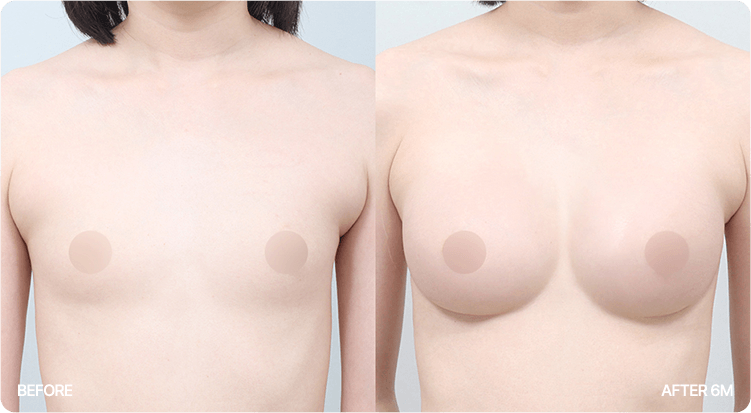
Height
154cm
weight
38kg
Bra Size
65AA→65 Full B
Motiva
R295, L255cc
Breast Shape
Breast volume loss in the central and right breast area
Skin Type
Skin with decreased elasticity
Surgical Method
Dual Plane Technique
Incision Location
Inframammary fold (breast crease)
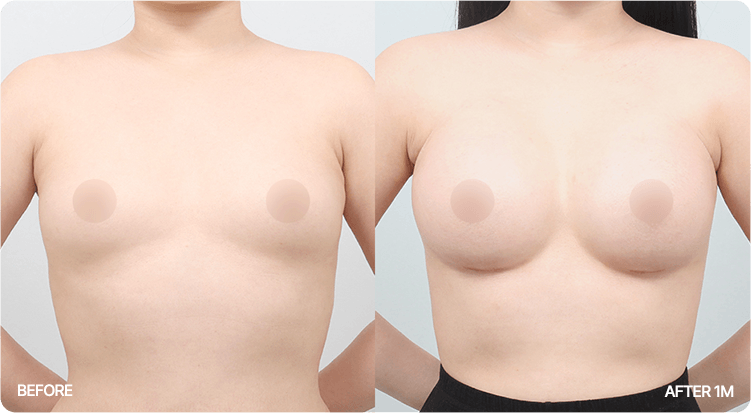
Height
154cm
weight
46kg
Bra Size
80A → 80 Full C
Motiva
R380, L360cc
Breast Shape
Flat and wide-set chest
Skin Type
Thick skin
Surgical Method
Subfascial implant placement
Incision Location
Inframammary fold (breast crease)
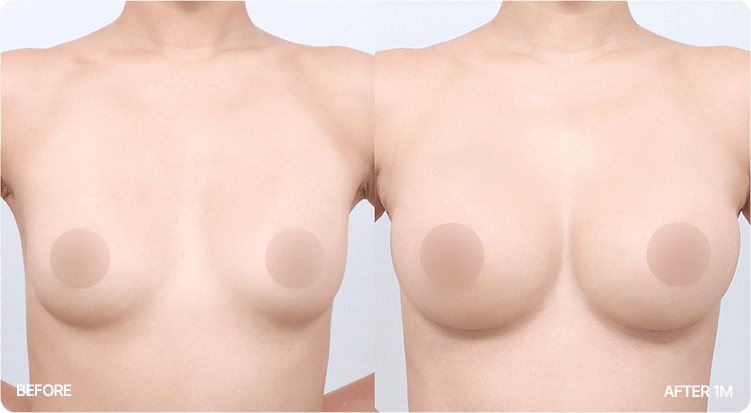
Height
158cm
weight
49kg
Bra Size
70A → 70D
Mentor
R350, L330cc
Breast Shape
Breasts with asymmetry in areola and inframammary fold position
Skin Type
Firm and elastic skin
Surgical Method
Subfascial implant placement
Incision Location
Inframammary fold (breast crease)
Post-surgery complications such as bleeding, infection, and inflammation can vary in severity depending on the individual, so caution is necessary.
Photos taken after surgery may differ from the actual result due to factors like the shooting environment, lighting, and makeup.
Results vary from person to person, so be sure to have a thorough consultation to determine the most suitable outcome for you.
The Key to Body-Customized Breast Surgery
Ultra-Personalized Design Consultation Notes
AB Design Consultation Note
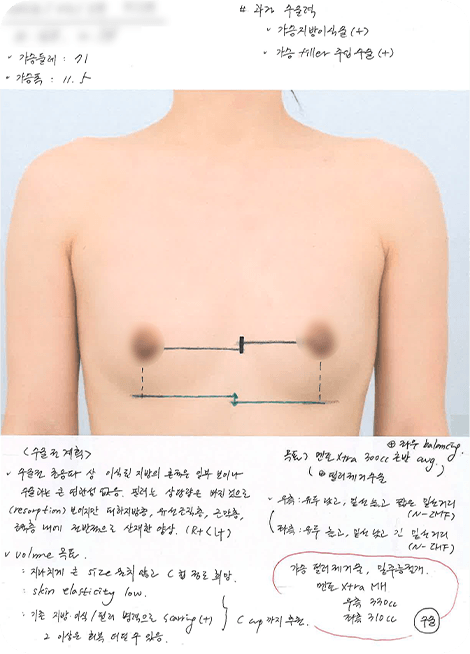
CHECK LIST
- Skin and fat layer thickness
- Height, weight
- Breast volume difference
- Breast width, circumference
- Degree of accessory breast tissue
- Nipple position
- Implant type and size
- Inframammary fold position
- Dissection area
- Incision location
- Individual body type, condition
- Client’s needs / preferences
* Image shows an actual example of a personalized design consultation note created during pre-surgery planning.
Exclusively Performed By Dr. Kim Soo-Jeong
AB BREAST SURGERY
ExperienceBreast Specialist
Customized Body Contouring Specialist,
Dr. Kim Soo-Jeong
- Graduated from Yonsei University College of Medicine
- Specialist in Plastic Surgery at Yonsei University Severance Hospital
- Adjunct Professor in Department of Plastic Surgery at Severance Hospital, Sinchon
- Full Member of the Korean Society of Plastic and Reconstructive Surgeons
- Full Member of the Korean Society of Aesthetic Plastic Surgery
- Regular Member of he Korean Academic Association of Aesthetic and Reconstructive Breast Surgery
The concerns you couldn’t voice to a male doctor ,
Discuss them privately with Dr. Kim Soo-Jeong
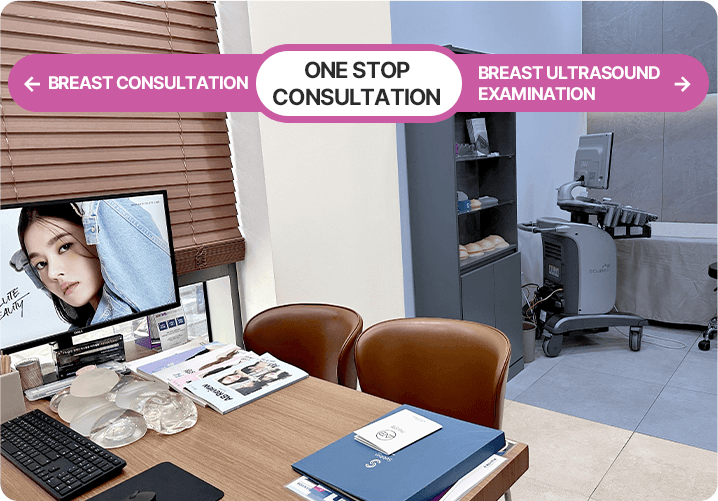
 From examination to consultationeverything is done in one spacewith our seamless one-stop system
- Minimized contact pathways, for a safe and fullyprivate consultation experience
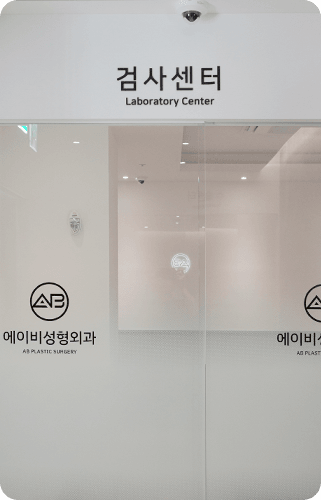
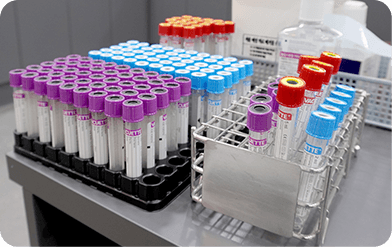
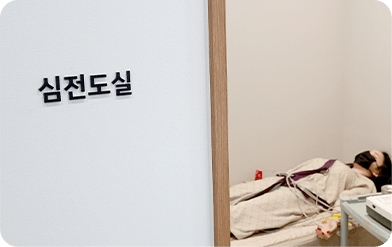
- In-house Breast Examination Centerfor precise and detailed screenings
- On-site & full time clinical pathologistfor accurate and reliable results
- Advanced equipmentfor highly trustworthy breast diagnostics
Anesthesia is Just as Important as Surgery
Safer Anesthesia at AB
Central Monitoring System
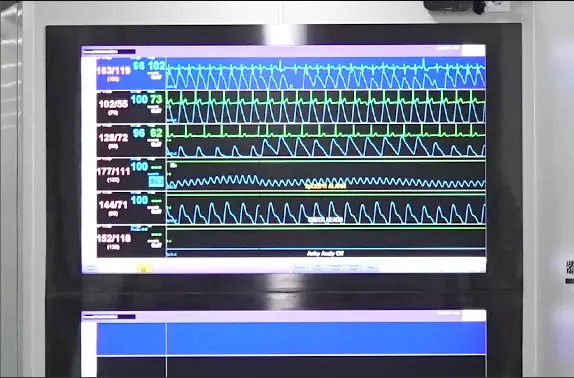
1:1 Dedicated Anesthesia Management
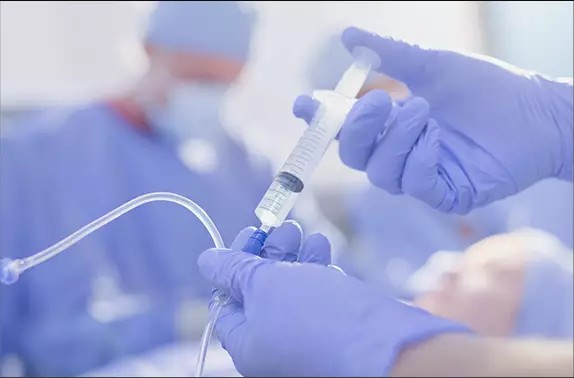
High In-House Ratio of
Certified Anesthesiology SpecialistsHospital-Level
Medical Facility23.1%
According to the Korean Society of Anesthesiologist, employment rate of anesthesia specialists in hospital-grade facilities (as of March 2011)
AB
47.1%
Internal statistics of AB Plastic Surgery (as of February 2025)
Proven Skill and Expertise
AB Breast Surgery's


Hidden pocket
tailored to the implant type for optimal fit and natural results
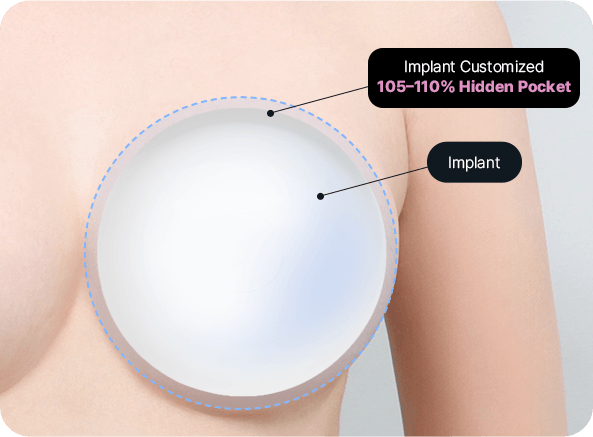
Prevents side or bottom displacement and capsular contracture,
SAFE POCKET DESIGN
Minimalizing foreign body reaction for
SAFE POCKET DESIGN
CASE.01 165cm / 40kg / 70AA → 70C
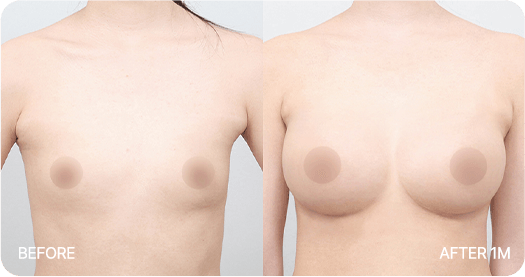
CASE.02 163cm / 51kg / 70A → 70D
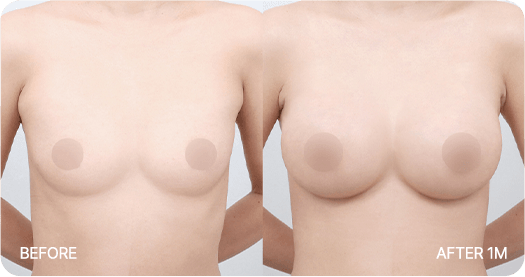

U-line dissection technique
that enhances the upper breast line
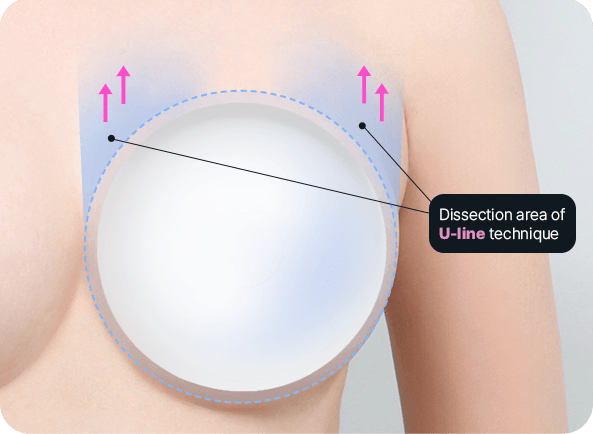
Beautifully gathered with side dissection,
I-LINE CLEAVAGE
Control over shape and side volume with
CUSTOMIZED UU-LINE TECHNIQUE.
CASE.01 156cm / 44kg / 70A → 70E
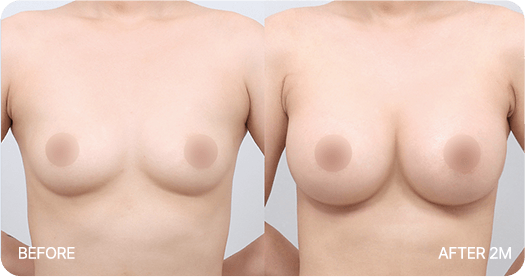
CASE.02 154cm / 46kg / 75A → 75 FULL C
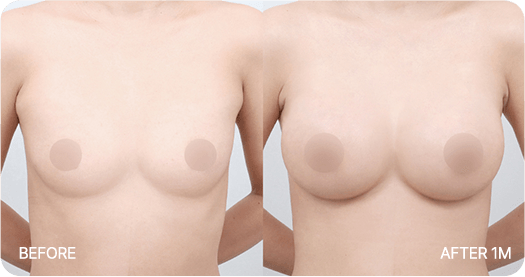

Scar-minimizing stitch-free surgery
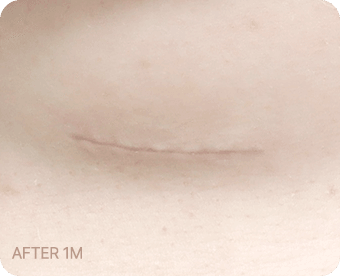
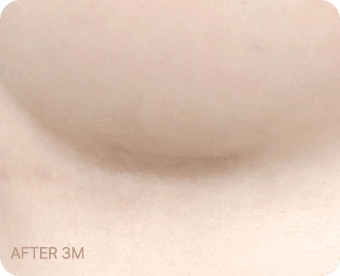
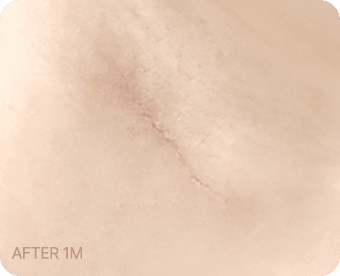
Using Dermabond instead of sutures
no stitch removal needed, and virtually no visible scars.
TYPE 01. Inframammary (under-breast) Incision
TYPE 02. Transaxillary (armpit) Incision

To prevent bleeding and complications
Safe Surgical Techniques
Full HD Endoscopy
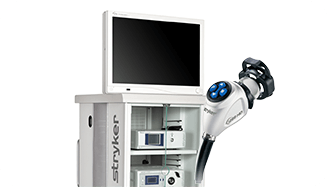
Precise dissection and thorough hemostasis help prevent foreign-sensory discomfort and inflammatory reactions.
No-Touch Technique
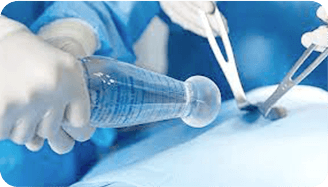
Minimal contact using the Keller Funnel reduces risk of infection, pain, and swelling

Faster recovery, less discomfort
NO blood drains tube
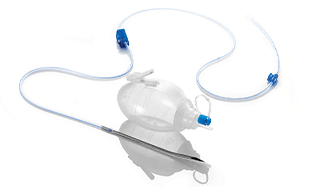
Minimized bleeding and swelling promote
quicker healingSame-day surgery and discharge
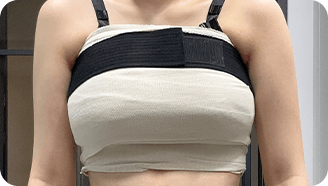
Return to daily life
without unnecessary delays.
Post-op Care
as Meticulous as the Surgery Itself
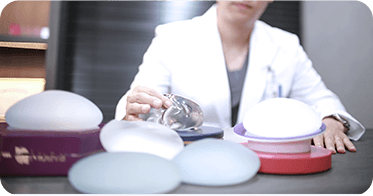
Education program conducted by the operating surgeon
A systematic training program where the operating surgeon personally provides the necessary information following breast surgery.
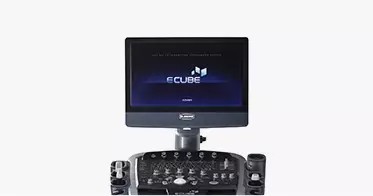
Breast Ultrasound Examination
Ultrasound screening for safe surgical outcomes and thorough post-operative management
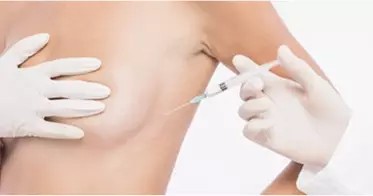
Scar Regeneration Injection
Injections that promote skin regeneration in scarred areas, helping to lighten and soften the tissue for a smoother appearance
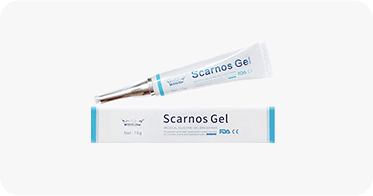
Premium Scar Gel
A medical-grade silicone oil-based gel type scar treatment for improved healing and reduced scarring
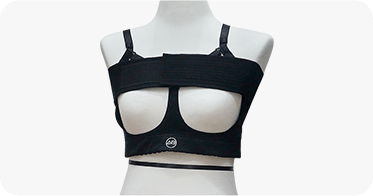
Customize Corrective-Support Bra
Specially designed post-op bra, tailored by breast surgery experts to ensure proper support and optimal recovery
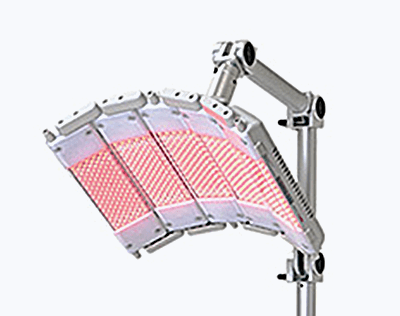
Deswelling LED Light Therapy (SMARTLUX)
Stimulates collagen production for skin regeneration and improved clarity.
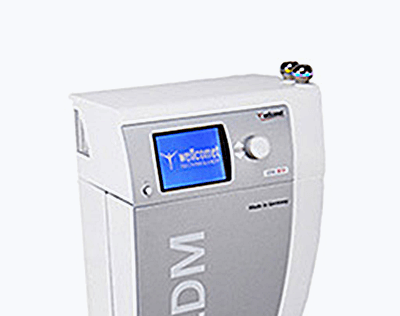
LDM (Local Dynamic Micromassage)
High-frequency ultrasound micro-vibrations that revitalize cells and regenerate tissue
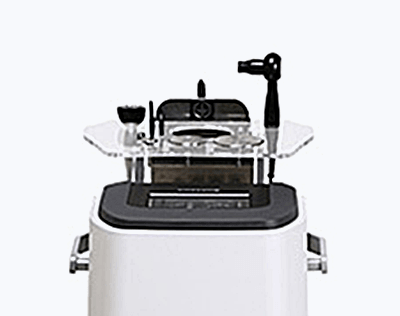
Radiofrequency Heat Therapy
Raises deep body temperature to boost blood circulation and reduce swelling and bruising.
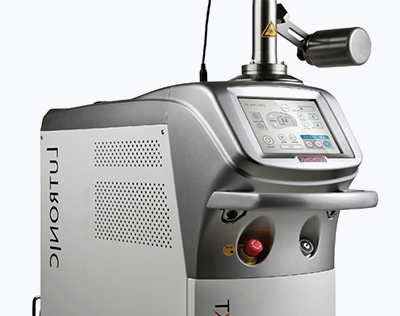
Spectra Scar Laser
Targets incision area with laser therapy to accelerate skin recovery.
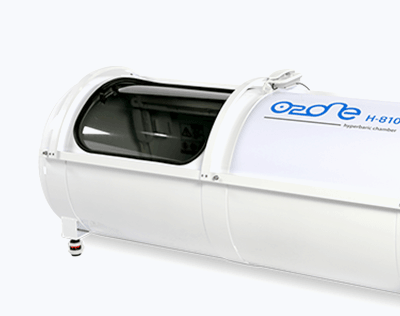
Hyperbaric Oxygen Therapy
Infuses high-concentration oxygen to activate cell regeneration and speed up healing
From To
To
Tailored With Big Data Precision
ToBody-Customized Breast Surgery
Q&A
Most Frequently Asked Question About Breast Surgery
- Q. Is it okay to just wear nipple patches without a corrective-support bra after breast augmentation?After any cosmetic surgery—not just breast surgery—it's important to follow the post-operative care guidelines provided by the clinic and surgeon. In breast augmentation, a corrective-support bra should typically be worn for about 3 months. This helps stabilize the implant and maintain the correct position within the space created during surgery. Since each patient’s breast tissue, implant type, and surgical technique can vary, the method and duration of wearing a corrective-support garment may differ accordingly. For some patients, especially those at risk of upper breast fullness (bulging), an upper band compression garment may be required for a period of time. In other cases, it may not be necessary at all. While some individuals may only need to wear a corrective-support bra for 2 months, others—particularly those at risk of implant displacement or “bottoming out”—must wear it for the full 3-month period. To achieve a natural, aesthetically pleasing breast shape, it's essential to follow our surgeon’s guidance regarding how and how long to wear your support bra.
- Q. I had breast augmentation, but my breasts look uneven. Do I need revision surgery?When performing breast augmentation, if preoperative diagnostics show only a minor difference in size between the left and right breasts, surgeons often use implants of the same size. As a result, a slight difference in volume may still be noticeable after surgery. However, if there’s a significant asymmetry in breast size, it’s important to select different implant sizes for each side to reduce the volume discrepancy. In cases where the projection (how far the breast protrudes) is uneven rather than the overall size, surgeons may use implants with different heights—for example, a lower-profile implant on the more projected side and a higher-profile implant on the less projected side. This approach helps minimize asymmetry by customizing the implant shape and size based on each patient’s specific needs.
- Q. Can I breastfeed after breast augmentation?Yes, breastfeeding after breast augmentation is generally safe. In most cases—especially when implants are placed through incisions other than the areola—the procedure does not significantly affect the milk ducts or mammary glands, meaning your ability to breastfeed remains intact. However, before starting breastfeeding, it’s a good idea to visit your clinic for a breast ultrasound check-up. This helps confirm that there’s no implant rupture, giving you peace of mind as you begin nursing. With proper care and monitoring, you can safely breastfeed after breast surgery.
- Q. Will my breasts get smaller if I diet after breast augmentation?After breast augmentation, significant weight loss can lead to a slight decrease in breast size, as natural breast tissue—including fat and glandular tissue—can be affected by weight changes. However, since the implant itself maintains its volume, any size reduction is typically minimal or barely noticeable. For most people, losing weight doesn’t cause a dramatic change in breast size post-surgery. So, there’s usually no need to worry about losing your enhanced shape if you plan on dieting or managing your weight after the procedure.
- Q. How can I tell if my breast implant has ruptured?Breast implants used in surgery are approved by the Ministry of Food and Drug Safety (MFDS) and have undergone thorough safety testing. However, ruptures can still occur, though they are relatively rare. If an implant rupture is suspected, it can be confirmed through high-resolution imaging, such as an ultrasound or MRI. In most cases, if a patient notices changes in size, shape, or texture of the breast, these symptoms can be noticeable enough for a doctor to detect a possible rupture through physical examination of the area.For a precise diagnosis, a combination of medical history, physical assessment, and imaging is used. If you've had breast surgery, it’s recommended to undergo regular check-ups to ensure everything remains in good condition and to detect any abnormalities early.
- Q. Is it normal for my breasts to feel different after surgery?Yes, it’s normal for the breasts to feel slightly different from each other after surgery—especially within the first 3 months. This is usually temporary and part of the natural healing process. Since the left and right sides of the body are not identical, differences in rib cage width, height, or even the implant size used on each side can lead to noticeable differences in sensation or feel early on. However, as the healing progresses, these differences tend to gradually fade, and by around one year post-surgery and above, most patients feel that both breasts have a very similar texture and sensation. Unless accompanied by unusual symptoms like pain or hardness, this is nothing to worry about.
- Q. When can I return to normal daily activities after breast surgery?Breast augmentation generally allows for a relatively quick recovery, with many patients able to return to normal daily activities after just one to two days of rest. While each individual’s experience may vary, swelling, bruising, and discomfort are usually at their peak during the first two to three days following surgery, then gradually subside. Showering is typically permitted after two to three days, depending on our surgeon’s instructions. Light activities can usually be resumed soon after surgery, while light exercise is generally safe to begin around the one-month mark. However, exercises that heavily engage the upper body should be avoided for two to three months to ensure proper healing and implant stability.
- Q. I'm 1–2 months post-op and feel a firm lump in one breast. What could it be?Some patients may notice a firm lump in the breast after augmentation surgery. In most cases, this is not caused by the surgery itself, but rather is a benign breast tumor that happens to be discovered after the procedure. The most common type is a fibroadenoma, which often occurs in women in their 20s and 30s due to abnormal overgrowth of epithelial tissue within the breast. Other types of benign lumps, like fat necrosis or cysts, can also be felt. It’s important to note that breast implants do not cause breast cancer, and there is no direct link between implants and the development of these benign tumors. If such a lump is found, knowing what it is allows for proper monitoring or treatment without unnecessary worry. If you feel a firm lump, it’s best to undergo a breast ultrasound to rule out any concerns, including the possibility of cancer. If a benign tumor is diagnosed, treatment may not be necessary unless it grows or becomes symptomatic—at which point removal can be considered depending on its size and number.
- Q. Is it normal to feel pain when lying down or getting up after breast augmentation?Yes, experiencing pain during movements or posture changes after breast surgery is completely normal and something that most patients go through. This discomfort occurs because the breast implants are positioned close to the pectoral (chest) muscles. When you change positions—especially from lying down to sitting up—your upper body muscles are engaged, which can stimulate the muscles surrounding the implant, leading to temporary pain or discomfort. During the first week after surgery, it’s best to move slowly when getting up and, if possible, ask for assistance from a caregiver or your guardian to avoid straining your chest muscles. The discomfort typically improves as your body continues to heal.
- Q. Do implants need to be replaced over time?Not necessarily. Breast implants do not have an automatic expiration date, and routine replacement is not required if there are no issues. In the past, saline implants were more prone to deflation due to valve failure, sometimes within 10 years. There have also been concerns about rare implant-related cancers, leading some patients to opt for removal or replacement as a precaution. However, unless complications such as implant rupture or capsular contracture occur, there’s usually no need to replace the implant. If both the implant and surrounding capsule remain in good condition, the implants can last for many years—even indefinitely in some cases.
- Q. Does breast augmentation increase the risk of breast cancer?No, breast augmentation using silicone implants does not increase the risk of breast cancer, as the implants do not interact with the breast tissue itself. However, there is a very rare condition called BIA-ALCL (Breast Implant-Associated Anaplastic Large Cell Lymphoma), which has been reported in some cases. It is important to note that this condition is extremely uncommon worldwide and is not the same as traditional breast cancer, which originates in the glandular tissue. In procedures involving fat grafting, care should be taken not to inject excessive amounts of fat, as it can potentially lead to complications or interfere with breast imaging. Overall, breast implants—especially when properly monitored—are not linked to an increased risk of breast cancer.
- Q. Will my body weight increase after breast augmentation?Yes, it’s normal to see a slight increase in body weight after breast surgery, primarily due to the weight of the implants themselves. A single implant typically weighs between 250 to 500 grams, so with implants in both breasts, you can expect an increase of about 0.5 to 1 kilogram (1 to 2 pounds). Additionally, temporary weight gain may occur immediately after surgery due to the IV fluids administered during the procedure. These fluids help maintain your body's balance and hydration during the operation, which usually lasts between 1 to 1.5 hours. This post-op weight gain is temporary—once the swelling subsides over the next 2 to 3 weeks, your weight will reflect only the added implant weight.
Safety System
Through various safety management systems, patients can receive surgery with greater peace of mind.

On-site board-certified specialist in Anesthesiology and Pain Medicine
Anesthesiology and pain medicine specialists manage the entire surgical process from pre-operation through post-operation.

Real-time monitoring during anesthesia
Anesthesiologists monitor patients in real time during surgery, with dual and triple verification through central monitoring systems.

Pre-surgery safety check
For safer surgery, we conduct comprehensive pre-operative examinations through our in-house self-inspection system.

University hospital–level safety equipment
Through various safety management systems, patients can receive surgery with greater peace of mind.
Related doctors
AB doctors related to this breast procedure
Learn more about the AB doctors related to this breast procedure.