Title
Genioplasty (Chin Tip Surgery) Explained, from Methods to CostDate
2026-07-22Views
2300
AB Blog
Genioplasty in Korea: Chin Tip Surgery Methods, Cost, Recovery, and Safety
Table of Contents
1. What Is Genioplasty (Chin Tip Surgery)?
2. Genioplasty Methods Compared: Implant, Sliding & Osteotomy
3. Genioplasty (Chin Tip Surgery) Cost in Korea
4. The Procedure and Recovery Timeline
5. Why International Patients Choose Genioplasty in Korea
6. Frequently Asked Questions About Genioplasty in Korea
7. Safety and Anesthesia: How AB Plastic Surgery Protects Patients
8. Planning Your Genioplasty in Korea: Key Considerations
Quick answer: Genioplasty — also called chin tip surgery or mentoplasty — is a surgical procedure that reshapes, advances, or reduces the chin to improve facial balance. A chin implant adds projection to a mildly weak chin, sliding genioplasty moves your own chin bone forward for a receding chin, and reduction genioplasty (T- or V-osteotomy) shortens a long or protruding chin. The right method depends on your bone structure, bite, and skin, confirmed through 3D-CT analysis. At AB Plastic Surgery Korea, genioplasty starts from approximately $5,240, and every procedure is supported by an on-site, board-certified anesthesiologist.
Genioplasty, also called chin tip surgery or mentoplasty, is a surgical procedure that reshapes, advances, or reduces the chin to improve facial balance. In Korea, international patients commonly compare chin implants, sliding genioplasty, and reduction osteotomy because each method suits a different chin structure. This guide explains how the methods differ, what affects cost, how recovery usually progresses, and what safety checks to review before choosing a clinic — while noting that the right approach is always confirmed by an individual medical assessment.
Your chin matters more than it gets credit for. It anchors your side profile, defines the line between face and neck, and quietly shapes how balanced your whole face looks — which is why a chin that is too small, too long, or off-center can throw off features that are otherwise fine. As patients increasingly prefer a refined, natural profile over a dramatic one, more people are turning to genioplasty to bring the lower face into proportion.
Considering a fuller lower-face plan? See how chin work fits within AB’s chin tip surgery.
Medically reviewed by Dr. Ahn Seung-Hyun, board-certified plastic surgeon at AB Plastic Surgery Korea. Last reviewed on June 23, 2026. This article is for general educational purposes and does not replace an in-person consultation or diagnosis.
What Is Genioplasty (Chin Tip Surgery)?
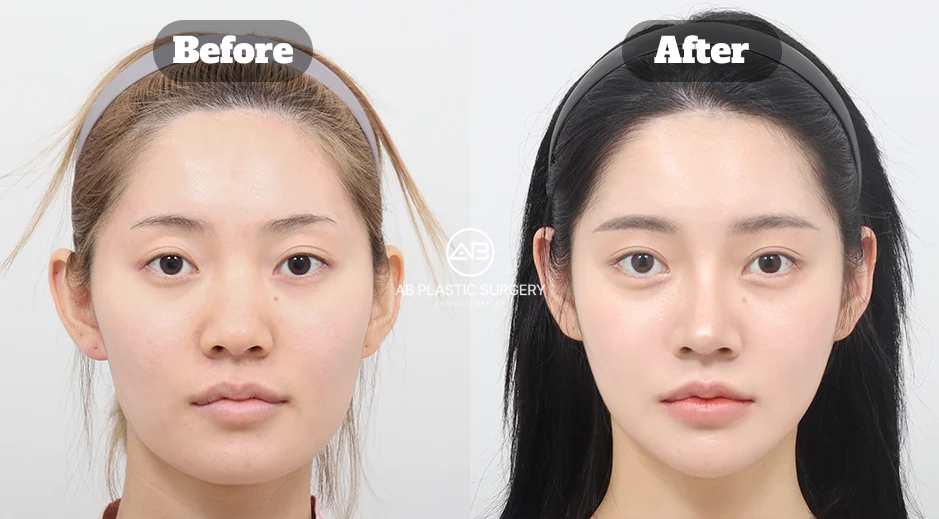
Genioplasty is a surgical procedure that changes the size, shape, or position of the chin to create a more balanced lower face. You will see several names for closely related procedures, and the overlap causes a lot of confusion, so it helps to line them up first: genioplasty and mentoplasty are used interchangeably for surgical chin reshaping; chin tip surgery and front chin surgery are common terms for work focused on the forward, visible point of the chin; and a chin implant is one specific method within that family. The unifying idea is simple — adjusting the chin so it harmonizes with the nose, lips, and jawline.
Conditions It Addresses
Genioplasty is considered for a wide range of structural chin concerns rather than surface or skin issues. It is most often discussed for:
-
Weak or receding chin (microgenia / retrogenia) — a chin that sits too far back, often making the mouth look like it protrudes
-
Long or protruding chin (macrogenia / prognathia) — a chin that is too long or juts forward, lengthening the lower face
-
Chin asymmetry — a tip that does not line up with the facial midline
-
“Witch’s chin” and chin-tip sagging — soft tissue that droops below the jawline, sometimes after previous surgery
-
Undefined chin–neck border — a short chin that blurs the line between face and neck
Because the chin is structural, the goal of genioplasty is to correct the underlying bone or projection — not simply to mask the appearance from the surface.
Genioplasty vs. Chin Filler — Why a Surgical, Permanent Solution
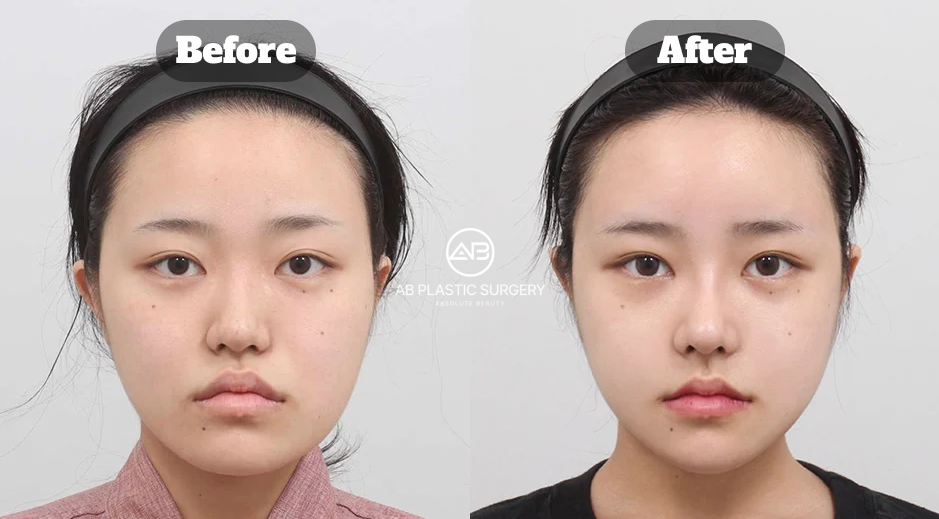
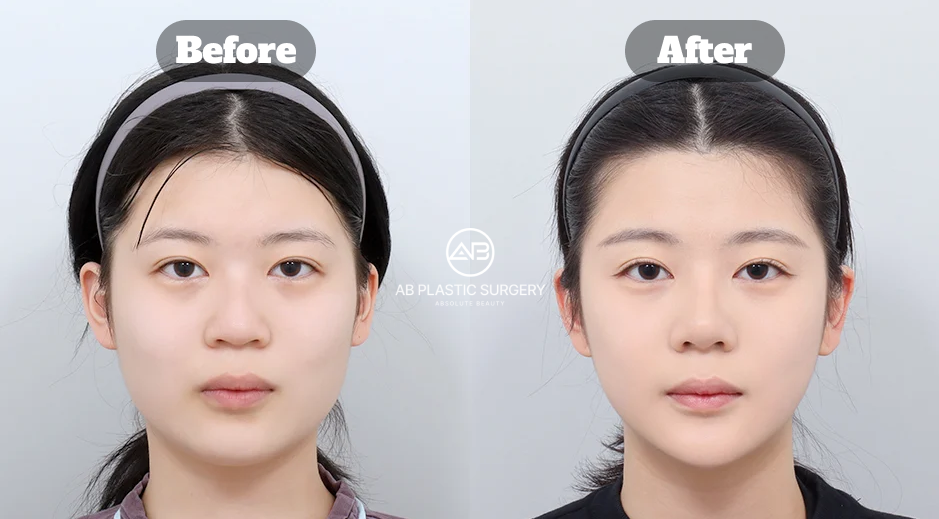
For a mildly under-projected chin, dermal filler can preview a more forward chin without surgery — but the effect is temporary, typically lasting several months to a little over a year, and it only adds volume near the surface. Filler cannot shorten a long chin, cannot reposition bone, and cannot correct asymmetry or sagging. Genioplasty, by contrast, changes the structure itself: an implant or a repositioned bone delivers a permanent, proportionate result. As a rule of thumb, filler suits a small, reversible test of projection, while genioplasty suits anyone who wants a definitive, structural correction. The right option is best confirmed in a consultation with facial analysis.
Genioplasty Methods Compared: Implant, Sliding & Osteotomy
There is no single “best” genioplasty — only the method that matches your chin. The three main approaches differ in whether they add projection or reshape bone, and in how much they can correct. The table below sets them side by side, and the sections that follow explain each in plain terms.
|
|
Chin Implant |
Sliding Genioplasty (Advancement) |
Reduction Genioplasty (Osteotomy) |
|
Best for |
Mildly weak / receding chin |
Moderate–severe receding or weak chin |
Long or protruding chin |
|
Method |
Silicone implant placed on the bone |
Chin bone cut & moved forward, then fixed |
Bone cut & a segment removed (T or V- shape) |
|
Incision |
Inside the mouth (no facial scar) |
Inside the mouth (no facial scar) |
Inside the mouth (no facial scar) |
|
Changes bone? |
No — adds volume |
Yes — repositions your own bone |
Yes — shortens / reshapes bone |
|
Strength |
Simple, fast, fewer variables |
Natural movement of bone & muscle |
Corrects length & width together |
|
Consideration |
Limited for severe cases |
More complex than an implant |
Skin-laxity planning matters |
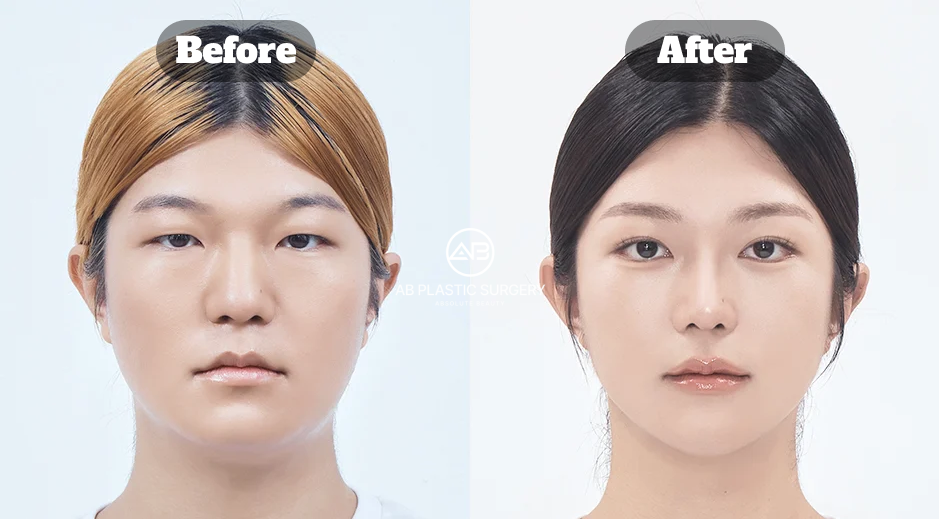
In simple terms, a chin implant is usually considered for mild projection concerns, sliding genioplasty is used when the chin bone needs to move forward or be repositioned, and reduction genioplasty is considered when the chin is long, wide, or protruding. This aligns with how major medical bodies describe the procedure — the American Society of Plastic Surgeons frames chin surgery as enhancement with an implant or reduction of the bone, and Cleveland Clinic describes sliding genioplasty as cutting and repositioning the chin bone itself (see Sources).
Chin Implant (Augmentation)
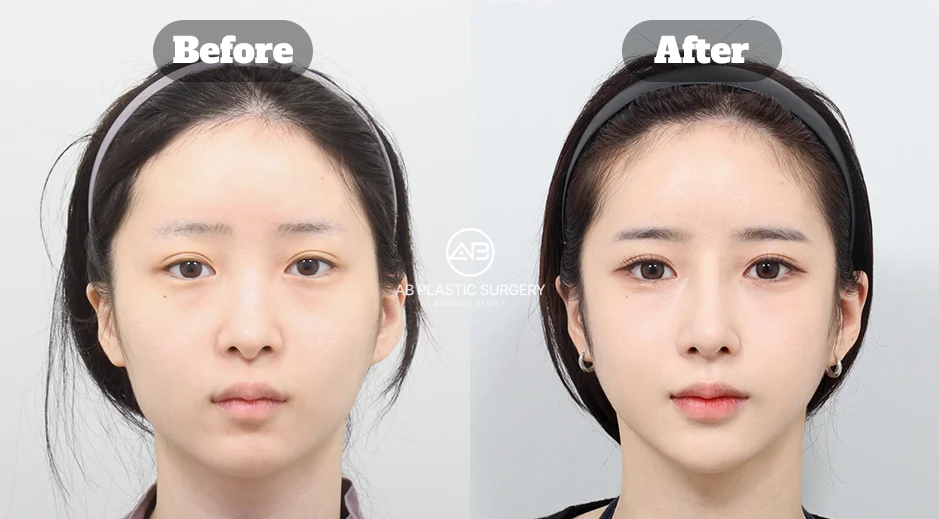
A chin implant — usually a flexible, body-safe silicone implant sized to your anatomy — is inserted through a small incision inside the mouth and positioned on the chin bone to add forward projection. It is the simplest approach, often completed quickly, and leaves no visible scar. For a chin that is only mildly recessed and otherwise well-proportioned, an implant can be an efficient, predictable solution. Its limits show when a chin is significantly long, severely receding, or asymmetric — situations where reshaping the bone itself gives a more natural, stable result.
Sliding Genioplasty / Chin Advancement
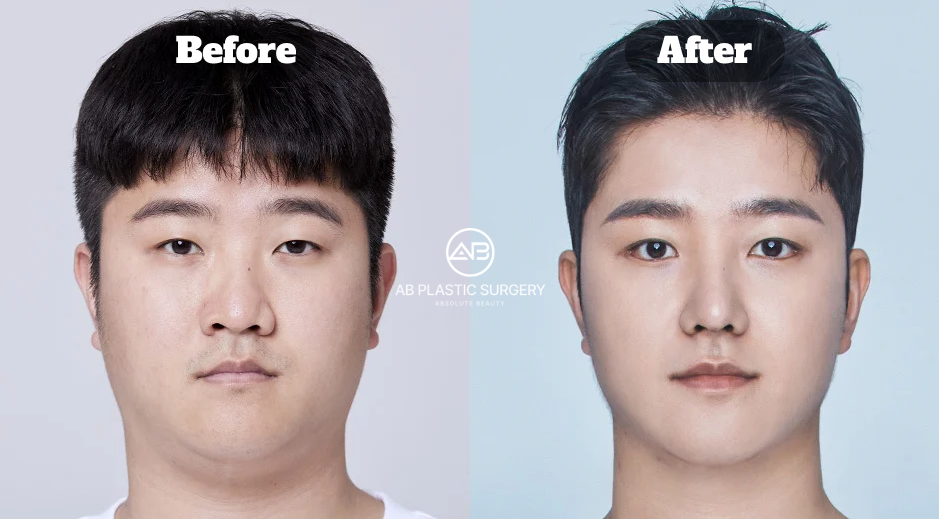
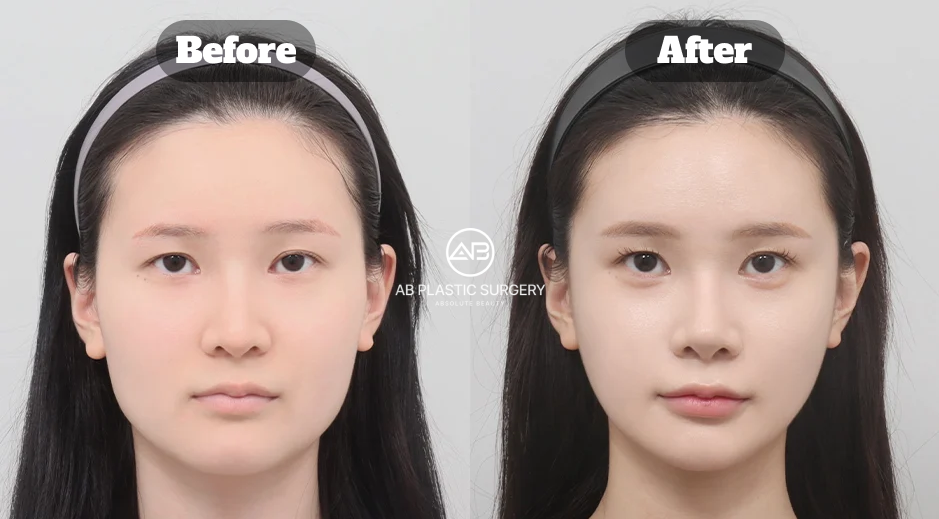
Sliding genioplasty (also called osseous genioplasty or chin advancement) reshapes the chin using your own bone instead of an implant. Through an intraoral incision, the surgeon makes a horizontal cut across the chin bone, slides the lower segment forward to the planned position, and fixes it with a titanium plate and screws (or medical-grade wire). Because the surrounding muscle moves forward with the bone, the result tends to look and feel natural, and it avoids implant-related concerns such as shifting or long-term bone changes. This is often the preferred method for moderate-to-severe receding chins, and it is frequently combined with a neck-defining effect, since advancing the chin can sharpen a soft chin–neck border.
Reduction Genioplasty — T-Osteotomy vs. V-Osteotomy
For a chin that is too long or protruding, reduction genioplasty shortens and refines the bone — and this is where Korean facial-contouring technique is especially refined. Two osteotomy patterns are common:
-
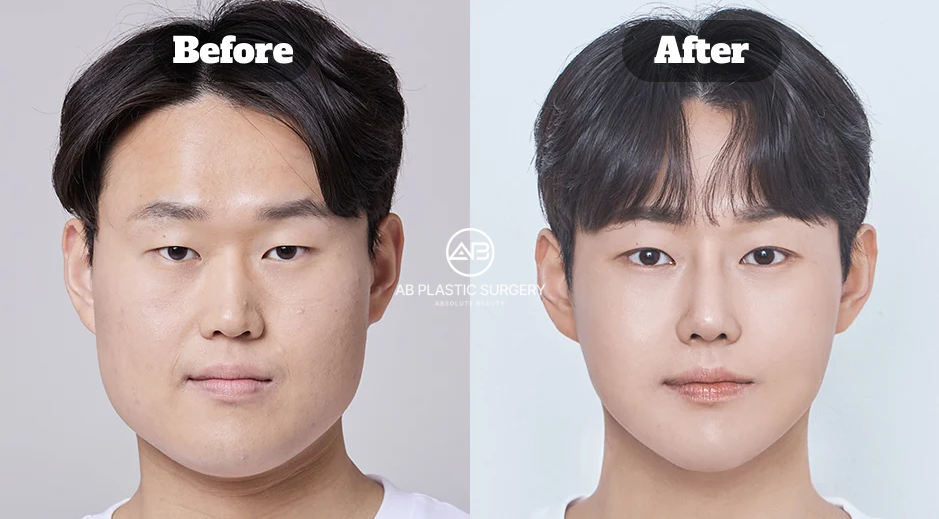
T-osteotomy — a horizontal cut combined with a vertical cut down the center, removing a central wedge of bone so the two sides can be joined into a narrower, more pointed chin. It reduces both length and width, making it well suited to a long, wide chin.
-
V-osteotomy — the bone is cut along the path of the nerve, an approach often chosen with skin-laxity in mind to reduce the risk of post-operative sagging in patients whose soft tissue may not redrape tightly over a shortened chin.
The choice between them is not about which is “better” in the abstract — it depends on your bone shape, the degree of reduction, and how your skin is likely to settle afterward.
How the Right Method Is Chosen
The method is decided before the operating room, through analysis — not by preference. A thorough plan typically involves:
-
3D-CT imaging to map bone length, width, projection, and asymmetry precisely
-
Nerve mapping to locate the mental nerve and protect lower-lip and chin sensation
-
Skin-elasticity assessment to anticipate — and prevent — sagging or a witch’s-chin effect
-
Bite (occlusion) review, since a significant bite issue may call for jaw surgery rather than genioplasty alone
Best method by chin concern (general guide)
-
Mild receding chin: a chin implant may be considered.
-
Moderate to severe receding chin: sliding genioplasty may be more suitable.
-
Long or protruding chin: reduction genioplasty or osteotomy may be considered.
-
Chin asymmetry: bone-based planning with 3D-CT is usually needed.
-
Bite problems: a jaw surgery evaluation may be necessary before genioplasty.
This is general guidance, not a diagnosis — your method is confirmed in consultation.
For a broader look at how chin work integrates with jaw and cheekbone contouring, read AB’s facial contour surgery guide.
Genioplasty (Chin Tip Surgery) Cost in Korea
Cost is usually one of the first questions international patients ask — and a fair one, since genioplasty pricing depends on the method, the complexity of your case, and whether it is combined with other contouring procedures. Below are AB Plastic Surgery Korea’s listed starting prices for genioplasty and the procedures most often planned alongside it, shown in approximate US dollars (converted from KRW at roughly KRW 1,470 = USD 1; exchange rates move daily, so treat USD figures as planning estimates). Pricing reference: AB Plastic Surgery Korea cost page, last updated April 29, 2026.
AB Genioplasty & Related Procedure Pricing (Starting, USD)
-
Genioplasty (chin tip surgery) — from $5,240
-
V-Line Facial Contouring — from $3,740
-
Square Jaw Reduction — from $5,240
-
Buccal Fat Removal (often added for a slimmer lower face) — from $1,360
-
3-Set Facial Contouring (cheekbone + square jaw + chin) — from $15,650
Genioplasty cost summary in Korea
-
Starting price at AB Plastic Surgery Korea: from approximately $5,240
-
Final quote depends on: implant vs. bone surgery, asymmetry, revision history, anesthesia type, and combined procedures
-
International-patient budget should include: consultation, CT scan, surgery, follow-up, medication, accommodation, and recovery stay
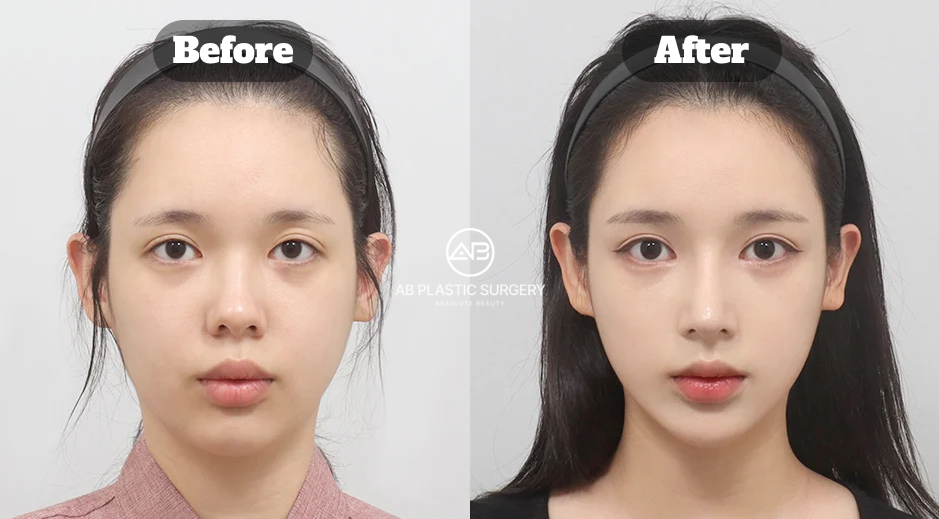
Read these as a starting line, not a quote. A simple implant and a combined bone-reshaping case do not cost the same, and the figure that ends up on your plan is shaped by your anatomy, the chosen technique, and any procedures combined with it. The only number that truly applies to you is the one set after a consultation looks at your actual chin.
What Affects Your Final Cost
Several factors move the final figure up or down:
-
Method — an implant is generally simpler than bone advancement or osteotomy
-
Case complexity — asymmetry, revision work, or significant length reduction add surgical time
-
Combination procedures — pairing chin work with jaw, cheekbone, or buccal fat changes the total
-
Anesthesia and aftercare — sedation versus general anesthesia, and post-op management
If you want a number you can budget against — plus a treatment schedule mapped to your stay in Korea — the fastest route is the dedicated pricing and scheduling page.
→ See Prices & Plan Your Schedule
The Procedure and Recovery Timeline
Knowing what happens on the day — and over the weeks that follow — takes much of the anxiety out of the decision. Genioplasty is a well-established procedure with a predictable recovery curve, though every patient heals a little differently.
Step-by-Step (Intraoral Incision, No Visible Scar)
-
Planning & 3D-CT — bone and nerve position are mapped and the method confirmed
-
Anesthesia — sedation (sleep) anesthesia or general anesthesia, managed by a specialist
-
Intraoral incision — made inside the lower lip, so there is no visible scar on the face
-
Bone work or implant — the bone is advanced/reshaped, or the implant is positioned
-
Fixation — bone is secured with a titanium plate and screws (or wire) where applicable
-
Closure — the incision is closed with dissolvable sutures, and compression tape supports the chin
Most genioplasty procedures take around an hour, though combined contouring cases take longer.
Recovery Week-by-Week & Length of Stay for International Patients
-
Days 1–3: Swelling and tightness peak around day two to three; a soft or liquid diet and diligent oral rinsing are important.
-
Week 1–2: Major swelling subsides; sutures and any tape are typically managed within this window, and most patients feel ready for social activity by the end of week two.
-
Month 1: Noticeable improvement as contours settle; residual swelling may persist under the chin.
-
Months 3–6: The chin is roughly 90–95% settled; the refined profile becomes clear.
-
6–12 months: Internal bone healing completes and the final result is established.
For travel planning, a stay of around 10 to 14 days is commonly advised, allowing for the procedure, initial swelling, suture care, and a follow-up check before flying. International patients can coordinate this through AB’s international patient service.
Why International Patients Choose Genioplasty in Korea
Korea has become a global reference point for facial-bone surgery, and genioplasty is one of the clearest examples of why. The appeal is a combination of technical depth and an aesthetic philosophy focused on natural, proportionate results.
Korean Facial Contouring Expertise & Nerve Preservation
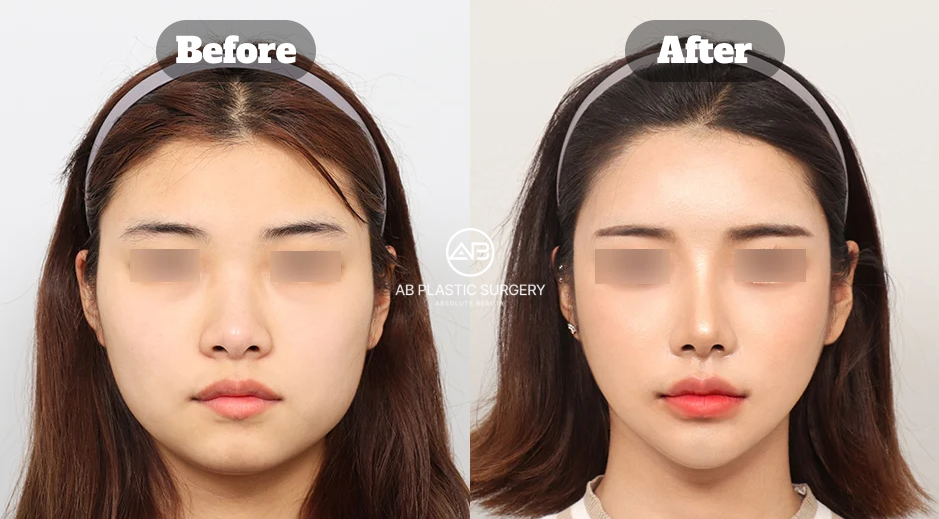
Facial contouring is a highly refined specialty in Korea, with surgeons performing a high volume of chin and jaw procedures and treating osteotomy as a precise, planned craft rather than a one-size cut. A defining emphasis is nerve preservation — protecting the mental nerve that supplies sensation to the lower lip and chin — alongside techniques that anticipate skin redraping to avoid sagging. This is also why chin work is rarely viewed in isolation: it is often integrated into a balanced V-line or facial-contouring plan so the whole lower face stays harmonious.
Surgeons Who Teach the Technique: AB at IFAAS
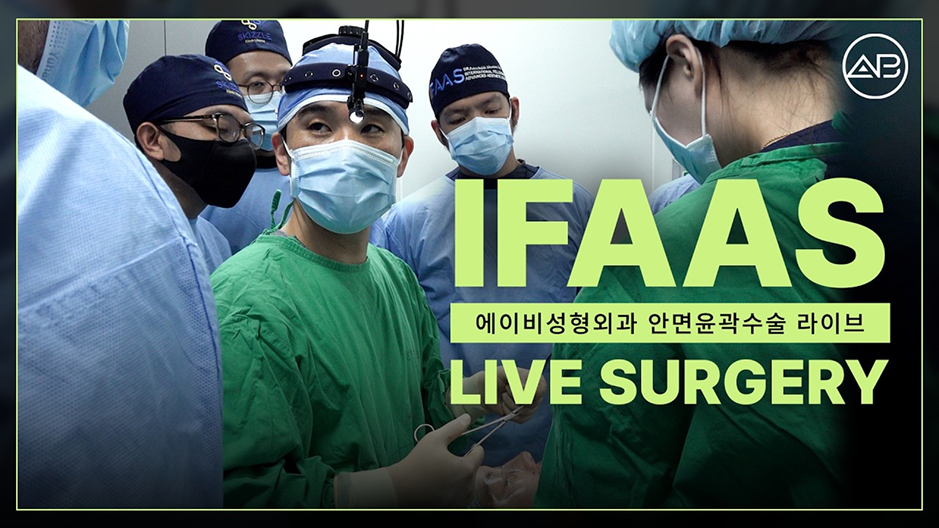
One useful way to gauge a clinic is to ask whether its surgeons are the ones learning a technique or the ones teaching it. IFAAS (International Fellowship of Aesthetic Allied Surgeons) is a global academic platform where leading aesthetic surgeons share contouring techniques, deliver live surgery demonstrations, and exchange peer-reviewed methods across countries — essentially a stage where the field’s standards are set rather than simply followed.
AB Plastic Surgery Korea has been an active part of this platform, hosting and participating in IFAAS international academic symposiums on facial-bone contouring, including live-surgery sessions and lectures on Asian facial-contouring approaches. For a prospective patient, that matters in a concrete way: chin and jaw work is exactly the category IFAAS focuses on, so a clinic presenting these techniques to an international surgical audience is demonstrating its expertise where it counts most — in front of peers, not just in marketing. You can see this academic activity reflected across AB’s research and lecture record.
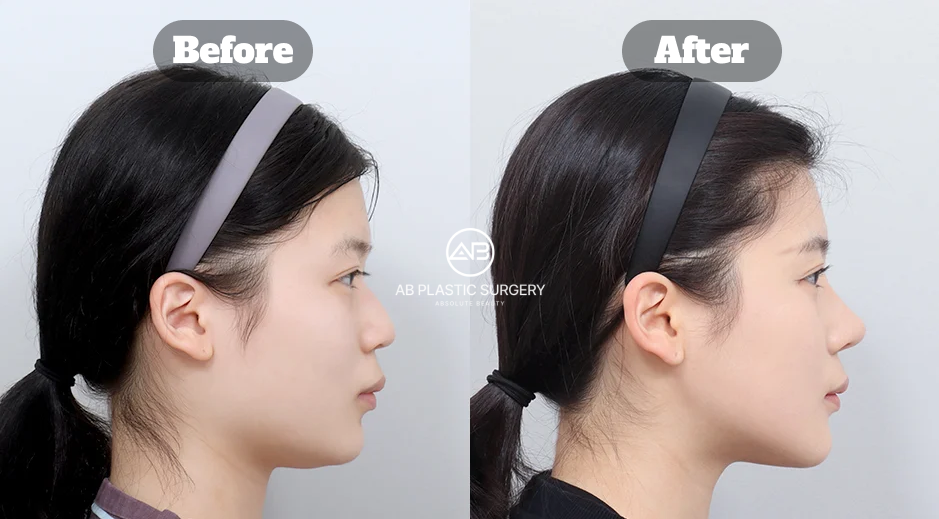
Natural, Proportion-Focused Results
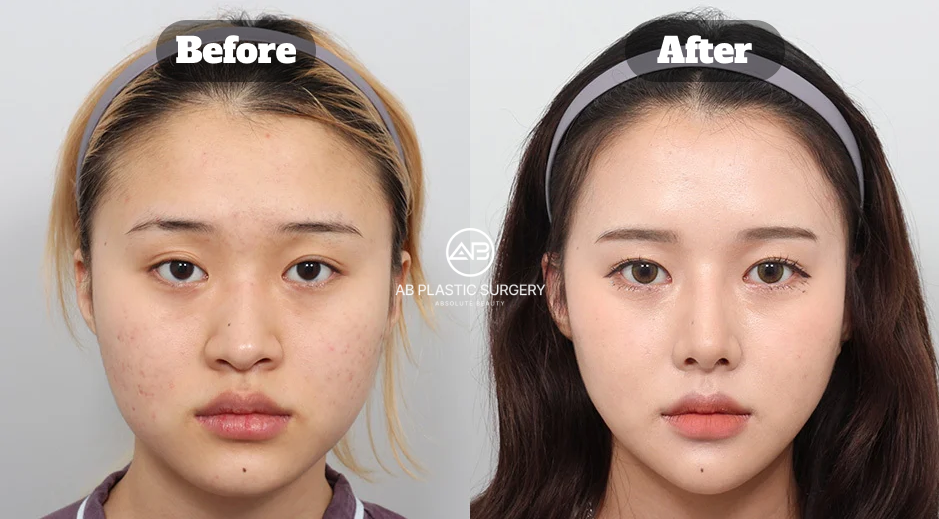
A clear direction in current aesthetic surgery is “refined, not done” — patients want a chin that looks like their chin, only balanced, rather than an obviously operated profile. That preference rewards proportion-focused planning and the kind of 3D imaging consultation that lets patients see a realistic outcome before committing. It also reflects a more informed patient: people now research methods, compare techniques, and arrive at consultations with specific questions, expecting a plan built around their anatomy rather than a default procedure. Planning your first trip abroad? AB’s medical tourism guide covers the practical side.
Key takeaways
-
Genioplasty (chin tip surgery) corrects the chin’s size, shape, or position for a balanced profile.
-
A chin implant adds projection; sliding genioplasty advances the bone; T- or V-osteotomy shortens a long chin.
-
All methods use an intraoral incision, so there is no visible facial scar.
-
The right method is chosen by 3D-CT analysis, nerve mapping, and skin-laxity assessment — not by preference.
-
AB presents facial-contouring techniques at IFAAS international symposiums — a teaching-level, not just practicing-level, signal.
-
At AB, genioplasty starts from about $5,240; a 10–14 day stay is commonly advised for international patients.
-
For facial-bone surgery, anesthesia safety and a clinic’s official designations matter as much as technique.
Frequently Asked Questions About Genioplasty in Korea
How much does genioplasty cost in Korea?
At AB Plastic Surgery Korea, genioplasty starts at approximately $5,240 (USD figures are approximate, converted from KRW). Related procedures often planned alongside it start from about $3,740 for V-line facial contouring, $5,240 for square jaw reduction, and $1,360 for buccal fat removal. These are starting figures — your final cost depends on the method (implant vs. bone surgery), case complexity, and any combined procedures, and is confirmed only at consultation.
Is genioplasty performed under general anesthesia, and is it safe?
Genioplasty is usually performed under general anesthesia or sedation (sleep) anesthesia, depending on the case. Safety depends heavily on who manages that anesthesia. At AB Plastic Surgery Korea, a board-certified anesthesiologist is on-site for plastic surgery anesthesia and sedation anesthesia, so sedation is managed by a specialist; the clinic states that it has maintained a zero medical accident record since opening in September 2020. Surgery is further supported by operating-room CCTV, cross-matching blood testing, and a 24-hour emergency response system.
Implant vs. sliding genioplasty - which is right for me?
A chin implant suits a mildly recessed chin and is simpler and faster. Sliding genioplasty repositions your own bone and is generally preferred for moderate-to-severe receding chins because the result looks natural and avoids implant-related concerns. If your chin is long or protruding, a reduction osteotomy is usually the better fit instead. The decision is made with 3D-CT analysis during consultation.
How long do I need to stay in Korea for recovery?
A stay of about 10 to 14 days is commonly advised. This allows time for the procedure, the peak-swelling period, suture or tape management, and a follow-up check before flying home. Major swelling settles over the first one to two weeks, while the final result develops over several months as the bone fully heals.
Will the results look natural?
That is the goal of modern genioplasty. Current technique favors proportion-focused, “refined, not done” results that match your facial structure rather than an exaggerated change. With bone-based methods, the surrounding muscle moves with the repositioned bone, which supports a natural look and feel. 3D imaging during consultation helps set realistic expectations before surgery.
How do I prepare as an international patient?
Start with an online consultation to confirm candidacy and the likely method, plan a stay of around 10 to 14 days, and arrange follow-up care. Choosing a clinic with systemized safety, an on-site anesthesiologist, and recognized accreditation (such as KAHF) is an essential step. This article is general information, not medical advice — confirm your plan with a qualified specialist.

Safety and Anesthesia: How AB Plastic Surgery Protects Patients
With facial-bone surgery, the institution behind the procedure matters as much as the technique. A well-designed plan still depends on the safety systems that deliver it. The question worth asking is not just “where can I get genioplasty in Korea,” but “why can I trust this clinic with surgery on my face?” AB answers that with measurable safety systems, official designations, and academic activity.

Anesthesiologist On-Site & a Reported Zero-Accident Record
For any surgery involving sedation or general anesthesia, anesthesia safety is the foundation — not a detail. Because anesthesia safety is a major concern in plastic surgery, AB addresses it with systems rather than promises. A board-certified anesthesiologist is on-site for plastic surgery anesthesia and sedation (sleep) anesthesia, so a specialist manages and monitors you throughout. Backed by this structure, AB states that it has maintained a zero medical accident record since opening in September 2020. That combination — a dedicated anesthesia specialist plus a reported clean safety record — is exactly what a patient evaluating facial-bone surgery should review first.
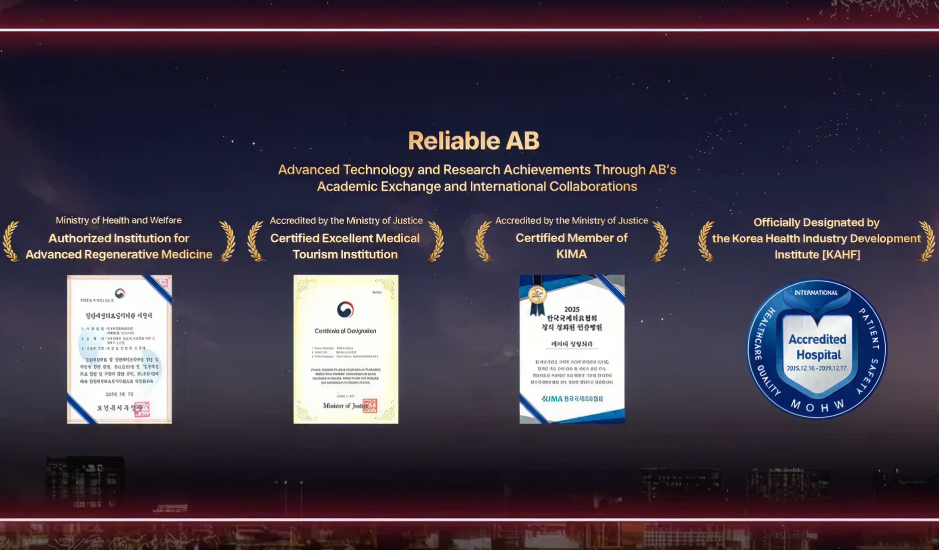
National Certifications in Patient Terms — KAHF & KIMA
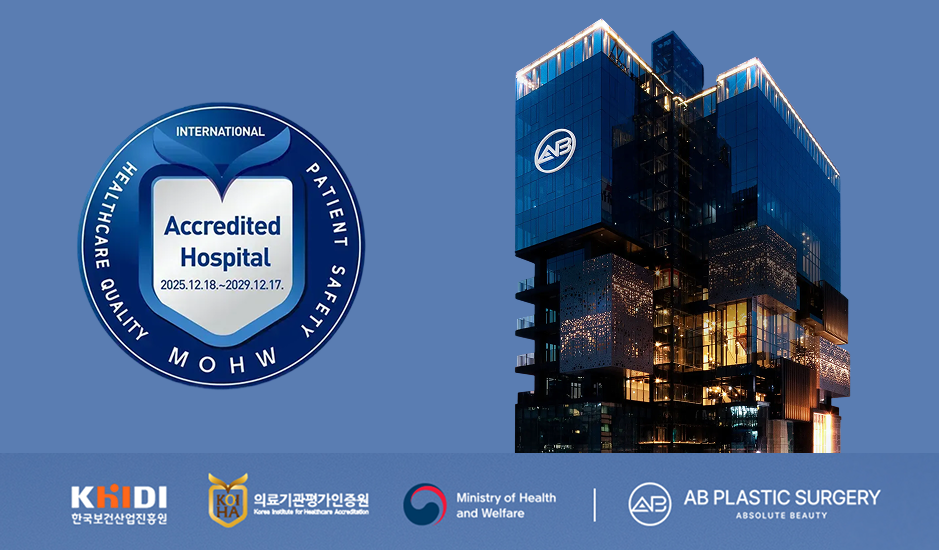
Accreditations are easy to list and harder to understand, so here is what they actually mean for you. KAHF accreditation (Korea Accreditation of Healthcare Facilities) does not simply say AB treats international patients — it means a national body reviewed the clinic’s systems and judged it suitable to care for international patients, including how it handles language, explanation, aftercare, and responsibility if a problem arises. In plain terms: this is a hospital managed to a national standard for when things need to be handled, not just when they go smoothly. AB is also a full member of KIMA (Korea International Medical Association). For a patient, these are external judgments — reasons the choice is backed by more than advertising (see Sources).
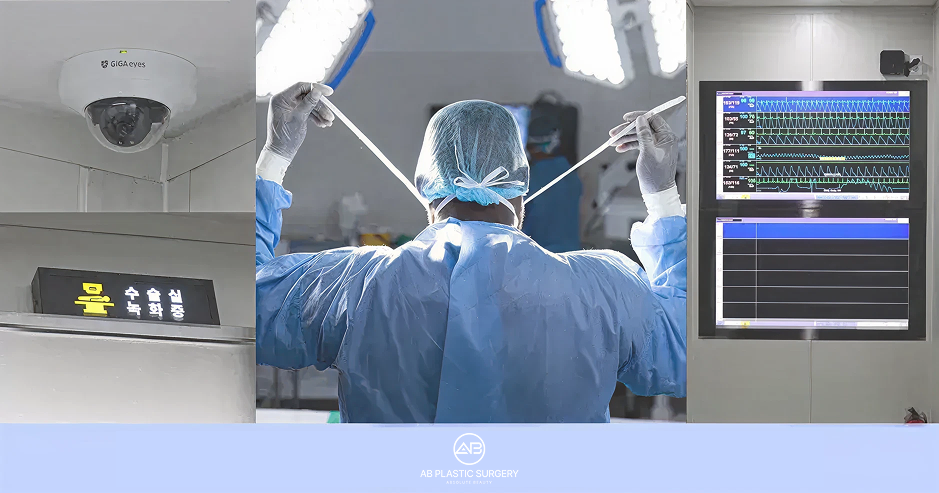
Operating Room CCTV, Cross-Matching & Emergency Response
Safety at AB is built into the room, not added on. Surgery is supported by full-area operating-room CCTV, cross-matching blood testing to confirm compatible blood is ready for emergencies, and a 24-hour emergency response system. These systems are reinforced by AB’s standing in the medical community — academic participation in international societies including IFAAS, APS KOREA, and PRS Korea, and designation as a government-recognized advanced regenerative medicine institution, alongside education and cooperation ties with Seoul National University Bundang Hospital and Hallym University Dongtan Sacred Heart Hospital. You can see how these protocols work in practice on AB’s surgical safety system page, and meet the team behind it among AB’s board-certified specialists.
Planning Your Genioplasty in Korea: Key Considerations
Genioplasty is one of the most rewarding facial procedures when it is matched correctly — and one of the most disappointing when the method is chosen by trend rather than by anatomy. The throughline of this guide is simple: the chin is structural, so the “best” genioplasty is the one your own bone, bite, and skin call for. An implant, an advancement, or a reduction osteotomy can each be the right answer, but only after a proper assessment.
For international patients, two practical priorities sit alongside technique. First, plan realistically — allow time for consultation, the procedure, and a 10-to-14-day recovery window, and expect the final profile to settle over several months. Second, choose on safety, not just price — an on-site anesthesiologist, a documented safety record, operating-room CCTV, recognized accreditation, and surgeons active in international academic societies such as IFAAS are not luxuries for facial-bone surgery; they are the baseline.
To see how real patients experienced the process — including results, recovery, and cost — read real patient stories at AB.
Whether an implant, sliding genioplasty, or reduction osteotomy is the right chin tip surgery for you comes down to your structure, your goals, and a professional assessment. The simplest way to find out — with no pressure — is a free 1:1 online consultation with a KAHF-accredited clinic that confirms every plan case by case.
→ Start Your Free Consultation
Sources & further reading
-
AB Plastic Surgery Korea — Plastic surgery cost in Korea (pricing reference): abplasticsurgerykorea.com/plastic-surgery-cost-in-korea
-
AB Plastic Surgery Korea — Surgical safety system: abplasticsurgerykorea.com/about-ab/safe-plastic-surgery
-
AB Plastic Surgery Korea — KIMA membership notice: abplasticsurgerykorea.com/about-ab/announcements/179
This article is general information and does not replace a personalized medical consultation. Pricing reflects AB’s cost page (last updated April 29, 2026) and is subject to change.

This article is for informational purposes only and does not replace a personal medical consultation.