Title
The Definitive Guide to Korean Rhinoplasty: From Flat Nose to Barbie NoseDate
2025-04-17Views
26632
AB Blog
Korean Nose Job Techniques: From Flat Bridge Enhancement to Barbie Nose Creation
Table of Contents
1. Why Korean Rhinoplasty Techniques Are Revolutionizing Nose Surgery Worldwide
2. Understanding Different Korean Nose Shapes and Styles
3. Korean Solutions for Flat Nose Bridges: Specialized Techniques
4. Achieving the "Barbie Nose": Korea's Most Requested Rhinoplasty
5. How Korean Surgeons Fix Flat Noses With Natural-Looking Results
6. Materials Used in Korean Rhinoplasty: Pros and Cons
7. How much does rhinoplasty cost in Korea?
8. Recovery Timeline: What to Expect After Korean Rhinoplasty
9. Korean vs. Western Rhinoplasty: Understanding the Differences
10. Choosing the Right Nose Shape for Your Face
11. Revision Rhinoplasty in Korea: When and Why It’s Needed
12. What International Patients Should Know Before Rhinoplasty in Korea
13. The AB Plastic Surgery Korea Rhinoplasty Experience
Considering a nose enhancement procedure in Korea? AB Plastic Surgery Korea brings you the most comprehensive guide to Korean rhinoplasty, exploring everything from addressing flat nose bridges to achieving the coveted "Barbie nose" look that's taking the beauty world by storm.
Why Korean Rhinoplasty Techniques Are Revolutionizing Nose Surgery Worldwide
Korean plastic surgeons have developed specialized techniques that address the unique characteristics of Asian facial anatomy, creating results that are both dramatic and natural-looking. This expertise has made Korea the global destination for rhinoplasty, particularly for those seeking:
-
Enhanced nose bridge height without an artificial appearance
-
Refined nose tips that complement Asian facial features
-
Natural-looking solutions for flat or wide noses
-
The coveted "Barbie nose" popularized by Korean celebrities
At AB Plastic Surgery Korea, our surgeons combine artistic vision with technical precision to create nose enhancements that transform your appearance while maintaining facial harmony.
Understanding Different Korean Nose Shapes and Styles
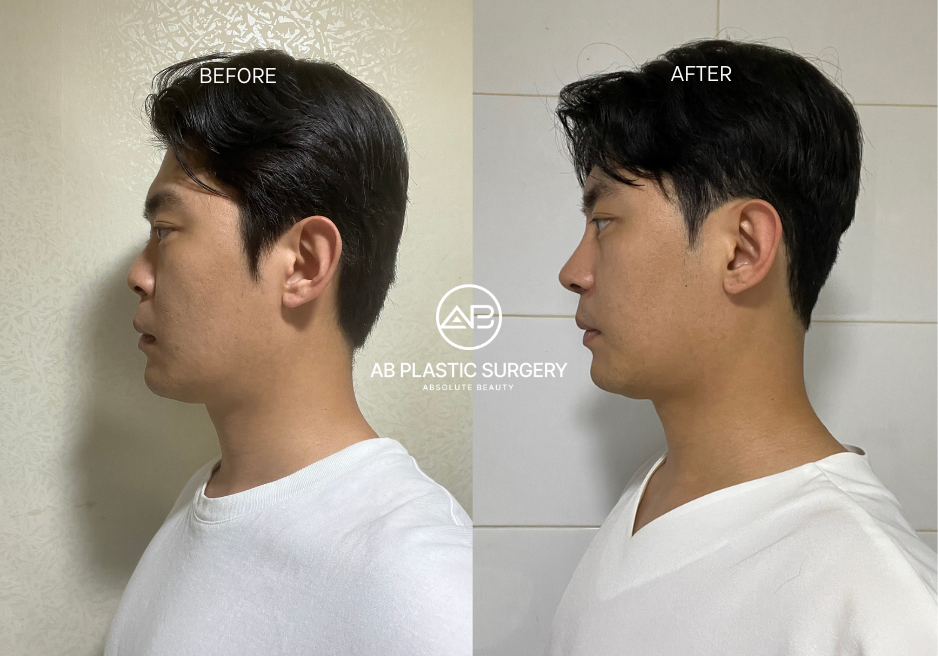
Unlike Western rhinoplasty that often focuses on reduction, Korean rhinoplasty typically enhances and defines the nose. Here are the most popular nose styles requested by our patients:
The Natural Korean Nose
-
Moderate bridge height
-
Subtle tip projection
-
Maintains ethnic features
-
Natural slope and contour
-
Ideal for those seeking enhancement without dramatic change
The Semi-Natural Nose
-
More defined bridge with straight profile
-
Moderate tip projection
-
Slightly narrowed nostrils
-
Popular among young professionals
-
Balance between natural and defined
The Barbie Nose
-
Prominent, high bridge
-
Defined tip with slight upward rotation
-
Creates a doll-like appearance
-
Popular among K-pop enthusiasts
-
Makes the face appear smaller and more feminine
The Straight Bridge Nose
-
Strong, straight bridge line
-
Minimal slope
-
Defined tip without excessive rotation
-
Creates a strong profile
-
Popular among both men and women
Korean Solutions for Flat Nose Bridges: Specialized Techniques
A flat nose bridge is a common concern among Asian patients. Korean surgeons have pioneered techniques specifically designed to address this feature with natural-looking results.
Silicone Implant Technique
-
Best for: Creating significant bridge height with a smooth contour
-
How it works: A custom-carved medical-grade silicone implant is placed along the nasal bridge
-
Results: Immediate improvement with defined profile
-
Considerations: Small risk of implant visibility or movement over time
Gore-Tex Augmentation
-
Best for: Patients wanting a very natural feel with less sharpness
-
How it works: Gore-Tex (ePTFE) material is shaped to create ideal bridge height
-
Results: Soft, natural-feeling enhancement with excellent tissue integration
-
Considerations: Slightly more expensive than silicone, with similar longevity
Autologous Cartilage Grafting
-
Best for: Patients preferring to use their own tissue
-
How it works: Cartilage from ear, rib, or septum is harvested and sculpted for the nose
-
Results: The most natural option with permanent results
-
Considerations: Requires additional surgery site, more technical complexity
Learn About Rhinoplasty Without Implants at AB Plastic Surgery Korea
Dermal Fillers for Bridge Enhancement
-
Best for: Patients wanting to "test" a higher bridge before surgery
-
How it works: Hyaluronic acid fillers are injected to create temporary enhancement
-
Results: Immediate improvement lasting 6-12 months
-
Considerations: Temporary solution, not cost-effective long-term
Learn More About Flat Nose Rhinoplasty at AB Plastic Surgery Korea
Achieving the "Barbie Nose": Korea's Most Requested Rhinoplasty
The "Barbie nose" has become one of the most requested looks in Korean plastic surgery. This distinctive style features:
-
A prominently heightened bridge
-
A slightly upturned tip (approximately 15-20° rotation)
-
Well-defined tip projection
-
Narrowed nostrils (when needed)
-
A subtle supratip break for that doll-like appearance
The Barbie Nose Surgery Process at AB Plastic Surgery Korea
-
Customized Design: Detailed analysis of your facial proportions to determine the ideal height, projection, and rotation
-
Bridge Enhancement: Creating the signature high bridge using silicone, Gore-Tex, or cartilage grafts
-
Tip Refinement: Special suturing techniques and cartilage grafts to create the upturned, defined tip
-
Nostril Reshaping: When needed, subtle nostril reduction to maintain proportion
-
Profile Balancing: Ensuring the new nose harmonizes with other facial features
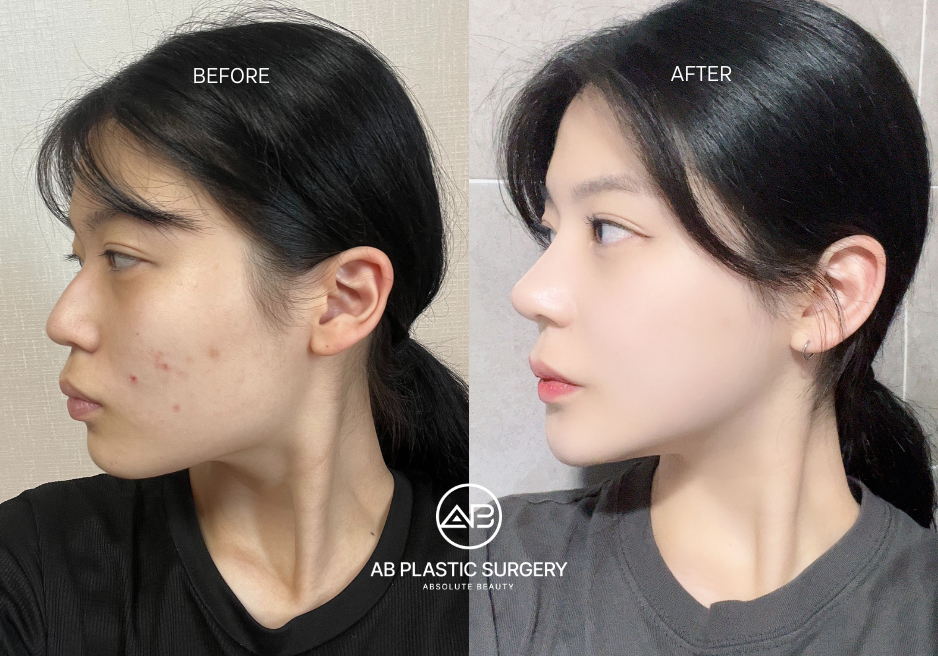
How Korean Surgeons Fix Flat Noses With Natural-Looking Results
The flat nose is characterized by:
-
Low nasal bridge
-
Broad, undefined nasal tip
-
Wide nostrils
-
Limited projection in profile view
Korean rhinoplasty addresses each of these concerns with a comprehensive approach:
Rather than focusing on a single area, Korean rhinoplasty combines multiple techniques to create a balanced and natural-looking result.
Bridge Enhancement
Careful augmentation creates height while maintaining natural width proportions
Tip Projection
Advanced cartilage grafting techniques create forward projection without an artificial appearance
Nostril Refinement
Subtle narrowing preserves ethnic characteristics while improving overall nose shape
Profile Balancing
Special attention to the nasolabial angle creates a harmonious profile
The result is a nose that looks like "the nose you should have been born with" — enhanced but natural.
Customizing Flat Nose Rhinoplasty for Natural Results
Many patients ask: “How can a flat nose be corrected without looking unnatural?” The answer lies in customizing the entire nose structure rather than simply increasing height.
Flat nose rhinoplasty is not simply about raising the bridge. The most natural and successful results come from customizing the overall nose structure based on each patient’s facial proportions.
Rather than applying a standard implant or technique, Korean rhinoplasty focuses on balancing multiple elements of the nose to create harmony with the entire face.
Bridge Height Is Only One Part of the Design
-
Overly high bridges can look unnatural on softer facial structures
-
Proper width and slope are just as important as height
-
A gradual, natural transition from the forehead creates a more refined appearance
Tip Projection Defines the Overall Impression
-
Forward projection creates a more dimensional side profile
-
Cartilage techniques are often used to support long-term structure
-
A well-defined tip prevents the nose from looking flat even after bridge augmentation
Nostril and Width Adjustment for Balance
-
Wide nostrils may be refined to match the new bridge height
-
Maintaining ethnic characteristics is essential for natural results
-
Subtle adjustments create a more proportional and refined appearance
Combining Techniques for Optimal Results
-
Implants may be used for structure, while cartilage refines the tip
-
Each component is adjusted based on individual anatomy
-
This combined approach is key to achieving both definition and natural aesthetics
The goal of flat nose rhinoplasty is not simply to make the nose higher, but to create a balanced, natural-looking structure that fits your face.
At AB Plastic Surgery Korea, every flat nose correction is approached as a customized design process, ensuring results that are refined, proportional, and long-lasting.
Materials Used in Korean Rhinoplasty: Pros and Cons
Korean surgeons utilize various materials for rhinoplasty, each with distinct advantages. Understanding these options is essential, as the choice of material directly affects your results, recovery, and long-term satisfaction.
|
Material |
Pros |
Cons |
Best For |
|
Silicone |
- Easy to shape - Affordable - Simple removal if needed - Immediate results |
- Slight risk of displacement - Can look unnatural if too large - Potential extrusion (rare) |
Patients wanting significant bridge enhancement with budget considerations |
|
Gore-Tex |
- Superior tissue integration - Natural feel - Very stable long-term - Low extrusion rate |
- More expensive - More complex to revise |
Patients seeking the most natural feel with willingness to invest more |
|
Ear Cartilage |
- No rejection risk - Very natural results - Minimal complications |
- Limited quantity available - Best for minor enhancements |
Subtle tip refinement or small bridge enhancements |
|
Rib Cartilage |
- Abundant material - Permanent results - Complete customization |
- Additional surgical site - Potential warping - Longer recovery |
Revision cases or patients who prefer autologous material |
|
Septal Cartilage |
- Straight, strong material - No external scars - Very natural results |
- Limited quantity - May not be available in all patients |
Tip refinement and small bridge enhancements |
At AB Plastic Surgery Korea, our surgeons recommend materials not as a one-size-fits-all solution, but as part of a customized surgical plan tailored to your anatomy and aesthetic goals.
Implant vs Autologous Rhinoplasty: Key Differences
Many patients ask: “Should I choose implant rhinoplasty or cartilage rhinoplasty?” The answer depends on your nose structure, desired height, and preference for natural feel versus definition.
One of the most important decisions in Korean rhinoplasty is choosing between implant-based augmentation and autologous (your own tissue) rhinoplasty. Each approach has distinct advantages, and the best option depends on your anatomy, goals, and long-term expectations.
Implant Rhinoplasty (Silicone / Gore-Tex)
-
Best for: Creating a higher and more defined nose bridge
-
Structure: Provides strong and consistent shape
-
Results: Immediate and clearly visible enhancement
-
Recovery: Generally simpler procedure with shorter operative time
Implant rhinoplasty is widely used in Korea, especially for patients with a low nasal bridge who want a noticeable improvement in profile.
Autologous Rhinoplasty (Cartilage-Based)
-
Best for: Natural-looking results and long-term stability
-
Material: Uses ear, rib, or septal cartilage
-
Results: Softer, more natural feel and appearance
-
Safety: No risk of foreign body reaction or implant-related complications
Autologous rhinoplasty is often preferred by patients who prioritize natural aesthetics and want to avoid synthetic materials.
Key Differences to Consider
-
Natural Look: Cartilage-based rhinoplasty tends to look and feel more natural
-
Definition & Height: Implants are more effective for achieving a higher bridge
-
Longevity: Both options are long-lasting, but cartilage integrates more naturally over time
-
Revision Risk: Implant rhinoplasty may require revision in cases of displacement, visibility, or long-term changes, while cartilage-based rhinoplasty is generally more stable over time
Rather than choosing between “implant vs cartilage” as a fixed option, most modern Korean rhinoplasty procedures combine both techniques to achieve optimal balance between structure and natural aesthetics.
At AB Plastic Surgery Korea, surgeons design a customized approach based on your facial anatomy, ensuring both structural stability and natural-looking results.
How much does rhinoplasty cost in Korea?
What is the average cost of nose surgery in Korea (USD)?
The cost of Korean rhinoplasty varies depending on the surgical method, materials used, and the complexity of your nasal structure.
Below is a general price range based on common rhinoplasty procedures at AB Plastic Surgery Korea:
-
Rhinoplasty (nose bridge + tip): from $3,400
-
Revision rhinoplasty: from $4,080
-
Rib cartilage rhinoplasty: from $2,240
-
Alar reduction (nostril reduction): from $1,360
-
Non-surgical nose filler: from $150
What factors affect the cost of rhinoplasty?
-
Type of materials used (silicone, Gore-Tex, or autologous cartilage)
-
Complexity of the procedure (primary vs revision surgery)
-
Combination procedures (tip refinement, nostril reduction, etc.)
-
Individual anatomy and desired outcome
Important Notice: Pricing is not fixed and may vary based on your facial structure, surgical plan, and medical requirements. The most accurate cost can only be determined after a personalized consultation with a specialist.
Recovery Timeline: What to Expect After Korean Rhinoplasty
Understanding the recovery process helps set realistic expectations:
Days 1-3
-
Nasal packing removed after 24-48 hours
-
Most significant swelling and possible bruising
-
Pain is typically minimal and well-controlled
-
Rest with head elevated is recommended
Days 4-7
-
External splint removed (typically day 7)
-
Noticeable decrease in swelling
-
Breathing improves significantly
-
Most patients feel comfortable in public with makeup
Weeks 2-3
-
50-60% of swelling resolved
-
Return to normal daily activities
-
Initial shape becomes visible, though still refined
-
Light exercise can be resumed
Weeks 4-6
-
70-80% of swelling resolved
-
Nasal tip becomes more defined
-
Most patients feel "socially recovered"
-
Full exercise can be resumed with caution
Months 3-6
-
Subtle refinements in appearance continue
-
Numbness typically resolves completely
-
Final bridge contour emerges
1 Year
-
Final results with all swelling resolved
-
Tissue completely settled around implants or grafts
-
Long-term outcome can be assessed
When Can International Patients Travel After Surgery?
For international patients, one of the most important questions is how long they need to stay in Korea after rhinoplasty. While recovery timelines vary, there are general guidelines to ensure safe travel and optimal healing.
Recommended Stay Duration
-
Minimum stay: 7–10 days (until stitch removal and initial check-up)
-
Recommended stay: 10–14 days for safer recovery and monitoring
-
Extended stay: 2–3 weeks for patients undergoing complex or revision rhinoplasty
Is It Safe to Fly After Rhinoplasty?
-
Short-distance flights are generally safe after 7–10 days
-
Avoid flying too early due to swelling and pressure changes
-
Cabin pressure may temporarily increase discomfort but rarely affects surgical results
Important Travel Considerations
-
Complete all follow-up appointments before departure
-
Avoid carrying heavy luggage immediately after surgery
-
Keep your head elevated and avoid trauma during travel
-
Stay in contact with your clinic for remote follow-up if needed
For international patients, planning your stay properly is just as important as the surgery itself.
At AB Plastic Surgery Korea, we provide structured post-operative care and guidance to ensure a safe recovery before you return home.
Korean vs. Western Rhinoplasty: Understanding the Differences
Korean rhinoplasty techniques differ significantly from Western approaches:
|
Aspect |
Korean Approach |
Western Approach |
|
Primary Goal |
Enhancement and definition |
Reduction and refinement |
|
Bridge Focus |
Building up flat bridges |
Often reducing prominent bridges |
|
Tip Technique |
Creating projection and definition |
Typically reducing bulbous tips |
|
Materials |
Frequently uses implants |
Primarily uses autologous tissue |
|
Aesthetic Ideal |
Straight bridge with slight concavity |
Straight to slightly curved bridge |
|
Nostril Approach |
Often includes subtle narrowing |
May include significant reduction |
|
Recovery |
Often less bruising due to enhancement focus |
Can have more bruising with reduction |
This fundamental difference in approach is why many Asian patients specifically seek Korean surgeons who understand their aesthetic goals and anatomy.
Choosing the Right Nose Shape for Your Face
At AB Plastic Surgery Korea, we believe the perfect nose complements your unique facial features. Consider these factors when choosing your ideal nose shape:
Face Shape Considerations
-
Round faces benefit from stronger bridge definition to add length
-
Long faces look balanced with moderate bridge height and slightly upturned tips
-
Square faces are softened by gentle bridge curves and refined tips
-
Heart-shaped faces pair well with straight bridges and proportional tips
Facial Feature Harmony
-
Your nose should balance with your chin projection
-
Eye separation distance influences ideal nose width
-
Lip fullness affects the ideal nasolabial angle
Personal Style and Preference
-
Consider your lifestyle, profession, and personal image
-
Think about aging and how your nose will look in 10+ years
-
Balance current trends with timeless aesthetics
-
Our surgeons provide detailed 3D simulations during consultation, allowing you to visualize different options before making your decision.
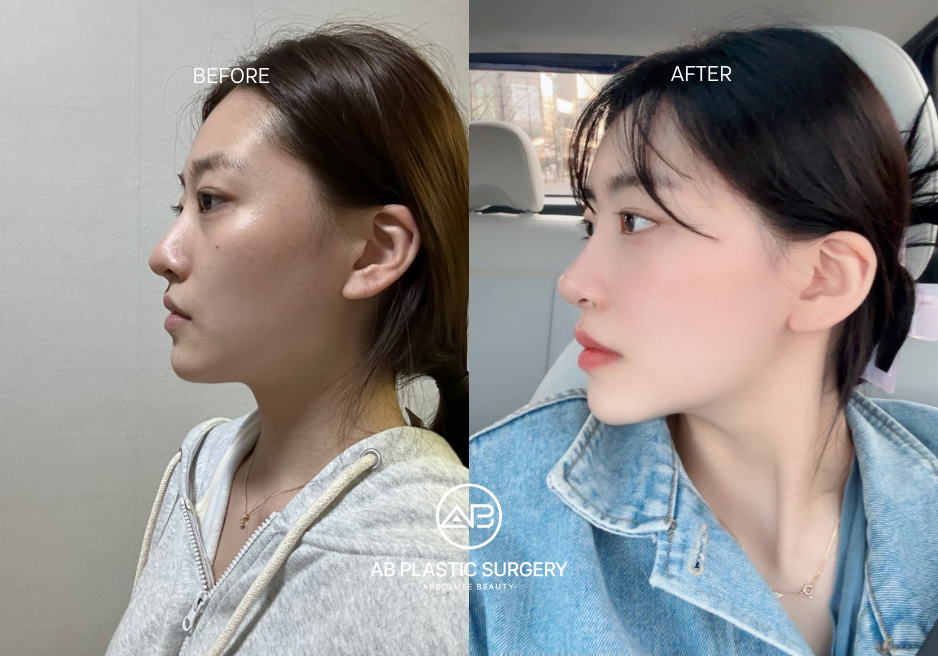
See Real Rhinoplasty Results at AB Plastic Surgery Korea
The AB Plastic Surgery Korea Rhinoplasty Experience
When you choose AB Plastic Surgery Korea for your rhinoplasty, you benefit from our comprehensive approach:
Initial Consultation
-
Detailed facial analysis using 3D imaging technology
-
Discussion of your aesthetic goals and concerns
-
Educational review of suitable techniques and materials
-
Transparent discussion of realistic outcomes
Pre-Operative Planning
-
Custom surgical plan development
-
Multiple design options to choose from
-
Preparation guidelines for optimal results
-
All questions and concerns addressed
Surgical Excellence
-
Procedures performed by specialists with thousands of cases
-
State-of-the-art facilities with the latest technology
-
Meticulous attention to detail and symmetry
-
Focus on both aesthetic improvement and functional breathing
Comprehensive Aftercare
-
Detailed recovery instructions
-
Regular follow-up appointments
-
24/7 access to medical support
-
Long-term care recommendations
Learn More about AB Plastic Surgery Korea “International Patient Support"
Revision Rhinoplasty in Korea: When and Why It’s Needed
Revision rhinoplasty, also known as secondary nose surgery, is performed to correct or improve the results of a previous rhinoplasty. This procedure is more complex than primary surgery and requires a high level of surgical expertise.
Many patients seek revision rhinoplasty in Korea due to the advanced techniques and extensive experience of Korean surgeons in handling complex nasal structures.
Common Reasons for Revision Rhinoplasty
-
Unsatisfactory Results: The shape may not match expectations or appear unnatural
-
Implant Issues: Problems such as displacement, visibility, or infection
-
Contracture (Scar Tissue): Hardening or shortening of the nose due to internal scarring
-
Asymmetry: Uneven bridge or tip causing imbalance in facial harmony
-
Functional Issues: Breathing difficulties after previous surgery
Why Revision Rhinoplasty Is More Challenging
-
Scar tissue from previous surgery makes dissection more complex
-
Structural support may be weakened or altered
-
Limited available cartilage in some patients
-
Requires precise planning to avoid further complications
Because of these factors, revision rhinoplasty should only be performed by surgeons with extensive experience in complex nasal reconstruction.
Advanced Techniques Used in Korea for Revision Cases
-
Cartilage Reconstruction: Using rib or ear cartilage to rebuild nasal structure
-
Implant Removal or Replacement: Safely correcting previous implant-related issues
-
Scar Tissue Release: Improving flexibility and restoring natural shape
-
Structural Reinforcement: Strengthening the nose to prevent future collapse
Korean surgeons are known for combining structural techniques with aesthetic precision, making them highly sought after for revision cases.
Why Patients Choose Korea for Revision Rhinoplasty
-
Extensive Experience: High volume of complex rhinoplasty and revision cases
-
Specialized Techniques: Expertise in both implant and cartilage-based reconstruction
-
Natural Aesthetic Approach: Focus on restoring harmony rather than overcorrection
-
Advanced Medical Systems: High safety standards and structured post-operative care
Revision rhinoplasty is not just about correcting mistakes — it is about rebuilding both structure and confidence.
At AB Plastic Surgery Korea, revision cases are approached with meticulous planning and advanced surgical techniques to achieve stable, natural-looking, and long-lasting results.
What International Patients Should Know Before Rhinoplasty in Korea
Korea has become a global destination for rhinoplasty, attracting patients from around the world. However, undergoing surgery abroad requires careful planning and understanding of the full process — from consultation to recovery.
For international patients, knowing what to expect can make the experience smoother, safer, and more comfortable.
How Long Should You Stay in Korea?
-
Recommended stay: Approximately 7–14 days
-
First week: Surgery, initial recovery, and stitch removal
-
Second week: Swelling reduction and follow-up check-ups
While some patients choose shorter stays, allowing enough time for proper recovery and monitoring is strongly recommended.
Step-by-Step Process for International Patients
-
Online Consultation: Initial assessment through photos and medical history
-
In-Person Consultation: Detailed facial analysis and surgical planning after arrival
-
Surgery Day: Procedure performed by a specialist with personalized design
-
Recovery & Follow-Up: Monitoring, stitch removal, and progress evaluation
This structured process ensures that patients receive both precise surgical results and safe post-operative care.
Language Support and Choosing the Right Clinic
-
Multilingual Consultation: Availability of English and other language support is essential
-
Transparent Communication: Clear explanation of procedures, risks, and expected results
-
Medical Credentials: Board-certified surgeons and verified clinical experience
-
Safety Systems: Proper anesthesia monitoring and emergency response protocols
Choosing a clinic experienced in treating international patients is key to reducing uncertainty and ensuring a smooth experience.
Post-Operative Care and Returning Home
-
Initial recovery: Most swelling and bruising improve within 1–2 weeks
-
Travel timing: Most patients can safely travel after stitch removal and initial check-up
-
Ongoing care: Follow-up guidance can be provided remotely after returning home
-
Long-term results: Final results continue to refine over several months
Proper aftercare is just as important as the surgery itself, especially for patients traveling internationally.
For international patients, successful rhinoplasty is not just about the surgery — it’s about choosing a system that supports you before, during, and after your journey.
At AB Plastic Surgery Korea, we provide a fully coordinated experience for global patients, including multilingual support, structured care, and continuous follow-up to ensure safe and satisfying results.
The AB Plastic Surgery Korea Rhinoplasty Experience
When you choose AB Plastic Surgery Korea for your rhinoplasty, you benefit from our comprehensive approach:
Initial Consultation
-
Detailed facial analysis using 3D imaging technology
-
Discussion of your aesthetic goals and concerns
-
Educational review of suitable techniques and materials
-
Transparent discussion of realistic outcomes
Pre-Operative Planning
-
Custom surgical plan development
-
Multiple design options to choose from
-
Preparation guidelines for optimal results
-
All questions and concerns addressed
Surgical Excellence
-
Procedures performed by specialists with thousands of cases
-
State-of-the-art facilities with the latest technology
-
Meticulous attention to detail and symmetry
-
Focus on both aesthetic improvement and functional breathing
Comprehensive Aftercare
-
Detailed recovery instructions
-
Regular follow-up appointments
-
24/7 access to medical support
-
Long-term care recommendations
Take the First Step Toward Your Ideal Nose
Ready to transform your appearance with the gold standard in Korean rhinoplasty? Contact AB Plastic Surgery Korea today to schedule your consultation and discover why patients from around the world trust us for their nose enhancement procedures.

This article is for informational purposes only and does not replace a personal medical consultation.