Title
Cheek Reduction Surgery: A Comprehensive Guide to Facial ContouringDate
2024-06-14Views
11296
AB Blog
Face Contouring Solutions: All About Cheek Reduction Surgery
Table of Contents
1. Definition of Cheek Reduction Surgery
2. Procedure of Cheek Reduction Surgery
3. Cheek Reduction Surgery Cost in Korea
4. Facial Contouring: Pre-Operative Care
5. Facial Contouring: Post-Operative Care
6. Best Candidates for Cheek Reduction Surgery
7. Frequently Asked Questions About Cheek Reduction Surgery
Facial contouring procedures have gained immense popularity, particularly in East Asia, where a more defined and balanced facial profile is often desired. Among these procedures, cheek reduction surgery stands out as a transformative method to achieve a slimmer, more proportionate face. This guide will delve into the definition, procedure, pre and aftercare, and suitability of cheek reduction surgery. Additionally, we will address the most frequently asked questions about this procedure to provide a thorough understanding for anyone considering it.
Definition of Cheek Reduction Surgery
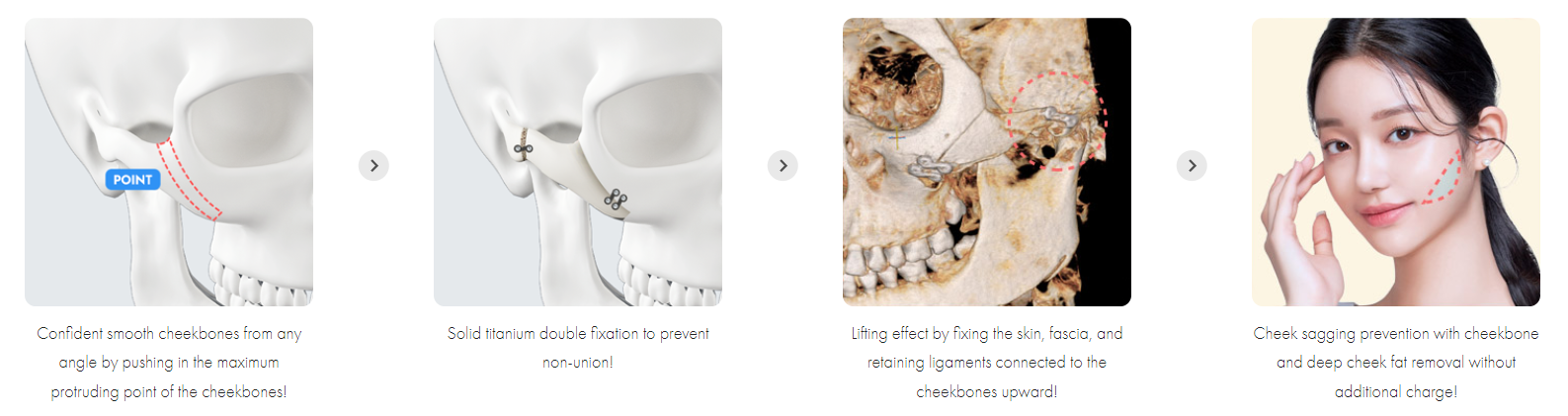
Cheek reduction surgery, also known as zygoma reduction plasty, is a cosmetic procedure aimed at reducing the prominence of the cheekbones to create a more balanced and aesthetically pleasing facial contour. This surgery can involve the removal or reshaping of the zygomatic bones (cheekbones) and the surrounding tissues. The procedure is designed to enhance facial harmony by addressing issues such as overly prominent cheekbones, wide facial structures, and asymmetry.
Procedure of Cheek Reduction Surgery
The cheek reduction surgery procedure typically involves one of two primary techniques: cheekbone shaving or cheekbone osteotomy.
Cheekbone Shaving
-
Incisions: This method involves making incisions inside the mouth to access the cheekbones, thus avoiding visible scars.
-
Shaving: A specialized tool, similar to a Dremel, is used to carefully shave down the outer layer of the cheekbone, reducing its prominence.
-
Suturing: The incisions are then sutured closed, completing the procedure.
Cheekbone Osteotomy
-
Incisions: Incisions are made both inside the mouth and in front of the ears to gain access to the cheekbones.
-
Osteotomy: The surgeon cuts and repositions the cheekbones. Excess bone is removed, and the remaining bone is moved inward to create a narrower facial profile.
-
Fixation: The new bone positions are secured using screws and plates, ensuring stability and proper healing.
-
Suturing: The incisions are closed with sutures.
The entire procedure is usually performed under general anesthesia and can take several hours, depending on the complexity of the case and the specific techniques used.
Cheek Reduction Surgery Cost in Korea
For many international patients researching cheekbone reduction surgery cost in Korea, understanding how pricing is structured can help with treatment planning and medical travel preparation. The total cost can vary depending on the surgical method, facial structure, revision status, and whether additional contouring procedures are combined.
At AB Plastic Surgery Korea, cheek reduction surgery is planned individually based on facial anatomy, surgical complexity, and desired facial balance.
Estimated Facial Contouring Surgery Cost
-
Zygoma Reduction Surgery: from $5,240 USD
-
V-Line Facial Contouring: from $3,740 USD
-
3-Set Facial Contouring Surgery: from $15,650 USD
-
Buccal Fat Removal: from $1,360 USD
-
Revision Facial Contouring: pricing varies depending on previous surgery history and surgical difficulty
The final cost may vary depending on individual facial anatomy, surgical complexity, combined procedures, revision status, and customized surgical planning. A detailed consultation is recommended to determine the most appropriate treatment plan and accurate pricing.
→ Check Facial Contouring Surgery Costs in Korea & Request a Personalized Surgery Schedule
Facial Contouring: Pre-Operative Care
Proper preparation before undergoing cheek reduction surgery is crucial for a successful outcome and smooth recovery. Here are the essential pre-operative steps:
Consultation
Schedule a thorough consultation with a board-certified plastic surgeon to discuss your goals, medical history, and any concerns you may have.
Medical Evaluation
A comprehensive medical evaluation, including X-rays of the facial bones, will be conducted to plan the surgery accurately.
Medication and Lifestyle Adjustments
-
Medications: Discontinue any blood-thinning medications, supplements, and certain herbal products as advised by your surgeon.
-
Smoking and Alcohol: Cease smoking at least four weeks before and after the surgery, as it can impair healing. Avoid alcohol consumption for at least two days before the procedure.
Fasting
Do not eat or drink anything for at least six hours before the surgery to ensure anesthesia safety.
More on how supplements can affect results of your plastic surgery in our previous post: How Supplements Impact Plastic Surgery Outcomes.
Facial Contouring: Post-Operative Care
Aftercare is a critical phase that significantly influences the healing process and the final results of cheek reduction surgery. Patients should follow these guidelines for optimal recovery:
Immediate Post-Surgery
-
Swelling and Bruising: Expect significant facial swelling and bruising, which will peak within the first few days and gradually subside over a few weeks.
-
Pain Management: Pain and discomfort are common, and your surgeon will prescribe pain medications to manage this.
-
Numbness: Temporary numbness in the cheeks is normal due to nerve manipulation during surgery.
First Two Weeks
-
Rest: Rest adequately and avoid strenuous activities to promote healing.
-
Diet: Stick to a soft or liquid diet initially to avoid stressing the surgical sites.
-
Hygiene: Maintain oral hygiene meticulously to prevent infections, following your surgeon’s specific instructions.
Long-Term Care
-
Swelling Reduction: Swelling can persist for up to three months post-surgery. Using cold compresses and keeping your head elevated can help reduce swelling.
-
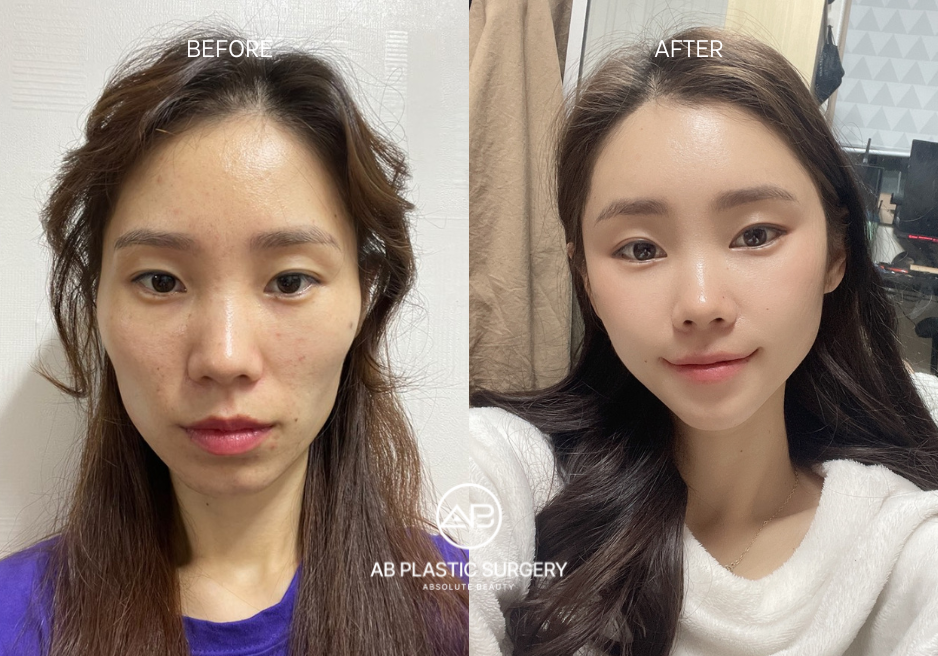
Final Results: Noticeable improvements are often seen within 2-3 weeks, with final results becoming apparent after three months.
-
Follow-Up Visits: Attend all scheduled follow-up appointments to monitor healing and address any concerns promptly.
Check the precautions before and after each type of plastic surgery.
Best Candidates for Cheek Reduction Surgery
Cheek reduction surgery is not suitable for everyone. Ideal candidates typically have the following characteristics:
-
Prominent Cheekbones: Individuals with overly prominent or wide cheekbones that cause facial imbalance or self-consciousness.
-
Good Overall Health: Candidates should be in good general health without underlying conditions that could impair healing.
-
Realistic Expectations: It is essential to have realistic expectations about the results and understand the potential risks and recovery process.
-
Non-Smokers: Smoking can impede healing and increase the risk of complications, so non-smokers or those willing to quit before and after the surgery are preferred.
-
Age Considerations: While there is no strict age limit, candidates over 40 should carefully consider the procedure due to natural fat loss in the face with aging, which could lead to a hollow appearance post-surgery.
Cheek reduction surgery offers a path to a more proportionate and harmonious facial appearance, enhancing confidence and aesthetics. By understanding the procedure, preparing adequately, and following post-operative care guidelines, patients can achieve the best possible outcomes. If you are considering this surgery, consult with a qualified plastic surgeon to discuss your specific needs and expectations.
Ready for a more balanced facial profile? Schedule your cheekbone surgery with AB's top surgeons and apply for a free online or offline consultation now!

Frequently Asked Questions About Cheek Reduction Surgery
How much does cheek reduction surgery cost in Korea?
Cheek reduction surgery cost in Korea can vary depending on the surgical method, facial structure, revision status, and whether additional facial contouring procedures are combined. At AB Plastic Surgery Korea, zygoma reduction surgery starts from approximately $5,240 USD, while V-line facial contouring starts from approximately $3,740 USD. A personalized consultation is recommended for accurate pricing and treatment planning.
What is the difference between cheekbone shaving and cheekbone osteotomy?
Cheekbone shaving reduces the outer layer of the cheekbone to soften its prominence, while cheekbone osteotomy involves cutting and repositioning the zygomatic bone inward to create a narrower facial contour. The most suitable method depends on the patient’s bone structure, facial width, asymmetry, and desired degree of correction.
Who is a good candidate for cheek reduction surgery?
Good candidates for cheek reduction surgery are individuals with prominent or wide cheekbones, facial imbalance, or cheekbone asymmetry who want a slimmer and more harmonious facial contour. Candidates should be in good overall health, have realistic expectations, and understand the recovery process before surgery.
How long does recovery take after cheek reduction surgery?
Initial swelling and bruising are common during the first few days after surgery. Many patients notice visible improvement within 2 to 3 weeks, although residual swelling can continue for several months. Final results usually become more apparent after the facial tissues have healed and swelling has gradually subsided.
Will cheek reduction surgery leave visible scars?
Cheek reduction surgery usually uses incisions inside the mouth, and in some cases, small incisions near the sideburn or in front of the ear may be used depending on the surgical method. Because incision placement is designed to minimize visible scarring, most scars are not easily noticeable after proper healing.
Can cheek reduction surgery be combined with other facial contouring procedures?
Yes. Cheek reduction surgery may be combined with other facial contouring procedures such as V-line surgery, square jaw reduction, genioplasty, or buccal fat removal depending on the patient’s facial proportions and treatment goals. A customized surgical plan is necessary to determine whether combination surgery is appropriate.
This article is for informational purposes only and does not replace a personal medical consultation.