Title
From Botox to Facelifts: Top 10 FAQs on Anti-Aging in KoreaDate
2024-06-05Views
9510
AB Blog
Anti-Aging in Korea: Expert Insights and Answers to Your Top 10 Questions
Table of Contents
1. What are the most popular anti-aging treatments in Korea?
2. What is the cost of anti-aging procedures in Korea?
3. How effective are thread lifts compared to traditional facelifts?
4. Recovery and results: what should you expect?
5. Are there any risks or side effects associated with these procedures?
6. Can multiple anti-aging treatments be combined?
7. What should I expect during my initial consultation?
8. How do I choose the right clinic and surgeon in Korea?
Anti-aging procedures in Korea address four different concerns:
-
Expression lines
-
Facial volume loss
-
Skin texture
-
Sagging
No single treatment covers all four. That is why Botox, fillers, energy-based treatments, thread lifts, fat grafting, and facelifts are often compared side by side.
This guide answers the 10 most frequently asked questions in eight sections: what each option can and cannot do, recovery, risks, how long results last, starting prices, and how to verify a clinic.
Considering anti-aging procedures can be a daunting task, especially with so many options in Korean plastic surgery hospitals. The right choice depends less on what is popular and more on which layer of the face is changing.
About this guide
Published by AB Plastic Surgery Korea, a Seoul plastic surgery clinic accredited under Korea's KAHF program for medical institutions serving international patients. General medical information is separated from AB-specific information (prices, safety systems, credentials) throughout. Last updated: October 28, 2026.
What are the most popular anti-aging treatments in Korea?
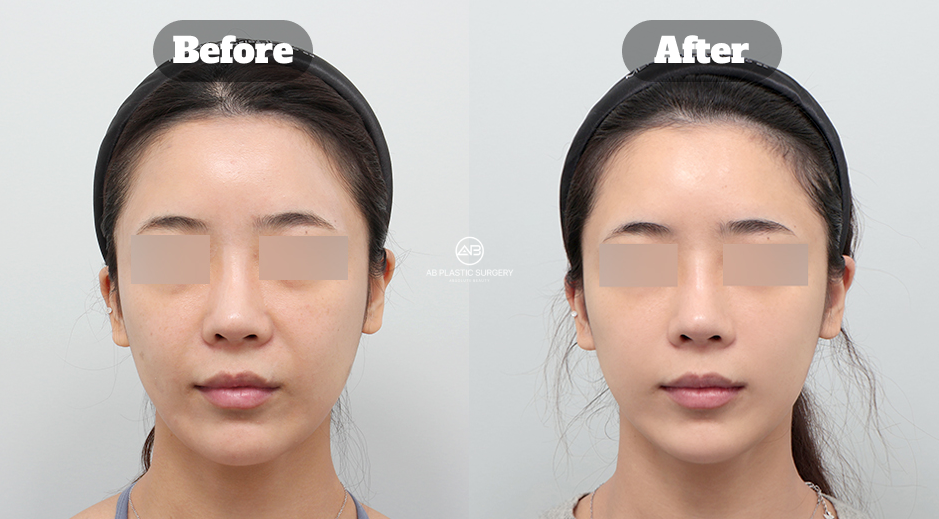
In short: Korea's most requested anti-aging treatments are Botox, Skin Botox, fillers, Ulthera, Fraxel, thread lifts, fat grafting, and facelifts. Injectables and energy-based treatments target lines, volume, and skin quality. Thread lifts and facelifts target sagging.
Each option works on a different layer of the face:
-
Botox and fillers: smooth wrinkles and add volume.
-
Fraxel: a fractional laser that improves skin texture and tone.
-
Ulthera: micro-focused ultrasound (not a laser) that heats deeper tissue to stimulate collagen.
-
Thread lifts: a minimally invasive lift for mildly sagging skin.
-
Facial fat grafting: transfers your own fat to the face to restore lost volume and contours.
These procedures are favored for their natural-looking results. However, downtime ranges from almost none to several weeks, so they should not all be called “minimal downtime” options.
Anti-Aging Treatment Comparison: Which Concern Does Each One Address?
The table below is a general guide. Your surgeon may recommend a different option after examining your skin thickness, fat distribution, and degree of sagging.
|
Treatment |
Main concern addressed |
What it cannot do |
Return to daily routine |
Repeat treatment? |
|---|---|---|---|---|
|
Botox |
Expression lines (forehead, frown, crow's feet), jaw muscle slimming |
Restore lost volume or lift sagging skin |
Usually same day; possible small bruises |
Yes, typically every few months |
|
Skin Botox |
Fine texture, visible pores, oiliness |
Lift tissue or replace volume |
Usually same day; small bumps fade within hours |
Yes |
|
Dermal fillers |
Volume loss, deep folds, contour |
Correct significant sagging; overfilling can look heavy |
Usually 1–2 days; swelling and bruising possible |
Yes, depends on product and area |
|
Ulthera (micro-focused ultrasound) |
Mild laxity, early jawline and brow softening |
Replace surgery for moderate to severe sagging |
Usually same day; temporary redness or tenderness |
Often maintained periodically |
|
Fraxel (fractional laser) |
Skin texture, tone, fine lines, scars |
Lift tissue |
A few days of redness and peeling |
Usually a series of sessions |
|
Thread lift |
Mild to moderate cheek and jawline sagging |
Remove excess skin or reposition deep tissue long term |
Several days to about a week |
Often repeated or upgraded later |
|
Facial fat grafting |
Hollow cheeks, temples, under-eyes |
Lift sagging tissue; part of the fat may not survive |
About 1–2 weeks of visible swelling |
Sometimes a second session |
|
Facelift / neck lift |
Moderate to severe sagging, jowls, neck laxity |
Improve skin texture or replace lost volume on its own |
About 2 weeks before most social activities |
Generally not, though aging continues |
If volume loss is your main concern, our guide explains how fat grafting restores natural facial volume and who is a good candidate.
Botox vs. Skin Botox: What Is the Difference?
Both use botulinum toxin, but they are injected differently and for different goals.
-
Purpose: Standard Botox relaxes specific facial muscles to soften expression lines. Skin Botox (also called micro-Botox or mesobotox) places very small, diluted droplets in the superficial skin layer to improve pores, oiliness, and fine texture.
-
“Korean Botox” is two different things: It can refer to Korean-manufactured botulinum toxin products, or simply to Botox treatment received in Korea. Ask your clinic which product will be used and why.
-
When results appear: Changes usually begin within a few days, and the result is best evaluated about two weeks after treatment. Before-and-after comparisons taken earlier can be misleading.
-
What it cannot do: Neither form restores lost volume or lifts sagging tissue.
-
Evidence and approval: Approved uses differ by product and country, and Skin Botox is often used off-label. Studies suggest it may improve skin quality, but more research is needed. Results should not be promised.
Comparing Botox with a longer-lasting option for a heavy brow? Read how an Endotine brow lift differs from a Botox brow lift.
Are Korean plastic surgery hospitals equipped with the latest technology?
Many Korean clinics invest in up-to-date equipment, but standards vary. Before booking, ask:
-
Which device or product will be used, and is it genuine?
-
Who performs the procedure?
-
What safety equipment is in the operating room?
For example, AB Plastic Surgery Korea states that:
-
It uses only genuine Endotine fixation devices for brow and forehead lifting, and has ranked among Korea's top five Endotine users for three consecutive years.
-
Its stem cell center is designated by the Ministry of Health and Welfare as an Advanced Regenerative Medicine Institution.

What is the cost of anti-aging procedures in Korea?
In short: At AB Plastic Surgery Korea, surgical anti-aging procedures start from $1,700 (fat grafting) to $7,480 (full facelift). Thread lifts start from $2,240. Botox and fillers are quoted at consultation, since price depends on area, units, and product.
Anti-aging treatment costs in Korea depend on the type of treatment:
-
Injectables (Botox, fillers): generally the most affordable.
-
Thread lifts and fat grafting: mid-range.
-
Facelift surgery: highest, due to surgical complexity.
The table below lists starting prices at AB Plastic Surgery Korea, taken from the clinic's official price list.
AB Plastic Surgery Korea Starting Prices for Anti-Aging Treatments (USD)
|
Procedure |
Starting Price (USD) |
Starting Price (KRW) |
What the final price depends on |
|---|---|---|---|
|
Botox |
Quoted at consultation |
Treatment area, number of units, product |
|
|
Dermal Fillers |
Quoted at consultation |
Volume (ml), product, treatment area |
|
|
Mint Thread Lift |
From $2,240 |
From 3,300,000 |
Number of threads, areas treated, degree of sagging |
|
Elasticum Thread Lift |
From $3,740 |
From 5,500,000 |
|
|
Full Face Fat Grafting (1st session) |
From $1,700 |
From 2,500,000 |
Areas treated, fat harvest site, technique used |
|
Full Face Fat Grafting + PRP (1st session) |
From $2,040 |
From 3,000,000 |
|
|
Neck Lift |
From $2,990 |
From 4,400,000 |
Facial anatomy, extent of surgery, technique, combined procedures, revision history |
|
Forehead Lift |
From $4,490 |
From 6,600,000 |
|
|
Lower Blepharoplasty + Midface Lift |
From $4,490 |
From 6,600,000 |
|
|
Semi Full Facelift |
From $5,240 |
From 7,700,000 |
|
|
Ponytail Lift |
From $5,990 |
From 8,800,000 |
|
|
Full Face Facelift |
From $7,480 |
From 11,000,000 |
|
How to read these prices
-
These are AB Plastic Surgery Korea's starting prices, not Korea-wide averages.
-
Prices are set in KRW. USD figures use approximately KRW 1,470 = USD 1 and shift with exchange rates.
-
Your final quote depends on facial anatomy, degree of laxity, combined procedures, revision history, and anesthesia needs.
-
Ask for a written quote showing whether anesthesia, medication, and follow-up visits are included.
Complimentary services for international patients (depending on procedure and price range):
-
Medical interpreter
-
CT imaging, pre-operative health check, and swelling-relief laser care
-
Airport pickup
-
Up to five nights of hotel accommodation
-
Aftercare kit
* These apply once you decide to proceed with surgery and cannot be used to pre-select a surgeon.
To see how anti-aging prices compare with other procedures, our 2026 plastic surgery cost guide breaks down prices by procedure.
Want an exact treatment plan instead of a general price range?
Our surgeons provide customized recommendations based on your facial anatomy, aging concerns, and recovery schedule before preparing a personalized quotation.
→ View Plastic Surgery Prices & Request Your Personalized Treatment Plan
How effective are thread lifts compared to traditional facelifts?
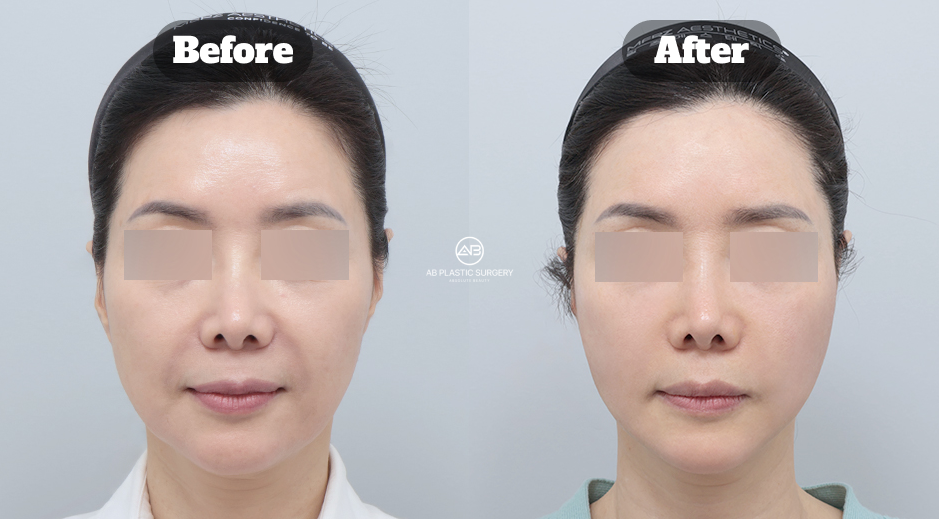
In short: Thread lifts give a modest lift for mild sagging, with short recovery and results of about 1–2 years. Facelifts reposition deeper tissue and remove excess skin. They correct advanced sagging and last many years, but recovery is longer.
Thread lifts are a minimally invasive alternative to traditional facelifts. Threads are inserted under the skin to support and lift tissue.
-
Thread material differs: PDO threads (used in a Mint lift) are absorbed over time, while Elasticum uses a different elastic material. Ask which thread will be used.
-
Pros: shorter recovery and lower surgical risk than a facelift.
-
Cons: less dramatic results, typically lasting 1–2 years.
Traditional facelifts provide more comprehensive, long-lasting results by removing excess skin and tightening underlying tissues.
|
Comparison |
Thread lift |
Facelift |
|---|---|---|
|
Best suited for |
Early, mild to moderate sagging with good skin quality |
Moderate to advanced sagging, jowls, loose neck skin |
|
What is corrected |
Supports soft tissue; no skin is removed |
Repositions the SMAS or deeper layers and removes excess skin |
|
Social recovery |
Several days to about a week |
About 2 weeks; residual swelling can last months |
|
Typical longevity |
Around 1–2 years |
Many years, though natural aging continues |
|
Main limitation |
Limited lift in heavy or very loose tissue |
Surgery, anesthesia, and a longer recovery |
Facelift surgery is not one single operation. Depending on where sagging occurs, options include a ponytail lift, midface lift, semi full or full facelift, or neck lift.
→ See which approach fits each stage of aging in facelift surgery by age and ideal candidates.
→ Compare techniques in how a deep plane facelift differs from a traditional facelift.
AB Plastic Surgery Korea's surgeons have presented these techniques at international conferences:
-
PRS KOREA 2025: combining facelift and lower blepharoplasty safely
-
APS KOREA 2026: neck lift lectures (Korean Society for Aesthetic Plastic Surgery)
Recovery and results: what should you expect?
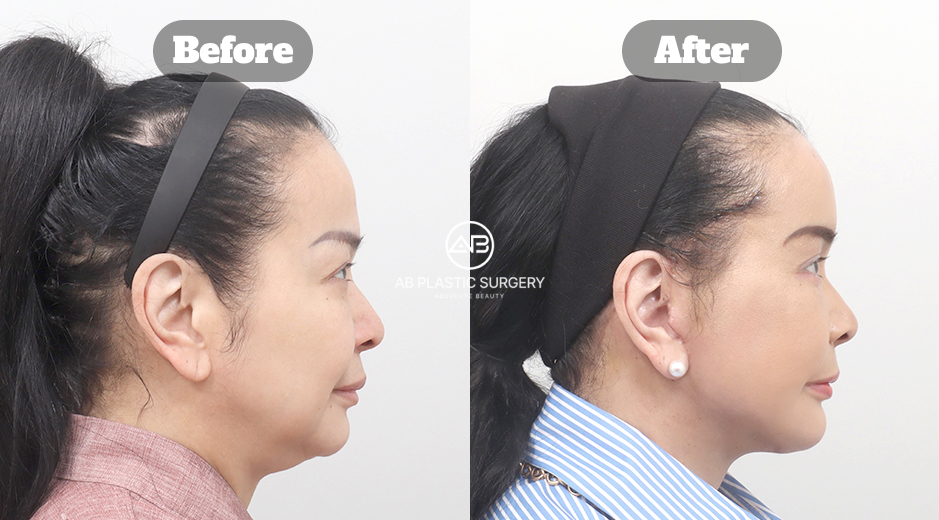
In short: Daily life resumes in 1–2 days after injectables, about a week after a thread lift, and about two weeks after a facelift. Results last from a few months (Botox) to many years (facelift).
What is the recovery time for anti-aging procedures in Korea?
Recovery times vary by treatment:
-
Botox and fillers: most activities can resume quickly, but bruising and swelling can appear. You may need to avoid strenuous exercise, saunas, alcohol, or pressing on the area for a short time.
-
Laser treatments: a few days of redness and peeling.
-
Thread lifts: several days to about a week.
-
Facelifts: around two weeks for most bruising to fade; residual swelling improves over weeks to months.
|
Treatment |
Back to daily routine |
When to judge the result |
|---|---|---|
|
Botox / Skin Botox |
Same day in most cases |
About 2 weeks |
|
Dermal fillers |
1–2 days |
After swelling settles, usually 2 weeks |
|
Laser / ultrasound treatments |
Same day to a few days |
Collagen-related changes develop over 2–3 months |
|
Thread lift |
Several days to about 1 week |
About 1 month |
|
Facial fat grafting |
About 1–2 weeks |
About 3 months, once fat survival stabilizes |
|
Facelift / neck lift |
About 2 weeks |
Several months |
These are general ranges; your surgeon will give you a timeline based on your own procedure. If you are flying in for surgery, plan your stay around the stitch-removal and follow-up visits your surgeon recommends, not only the surgery date.
How long do the results of these procedures last?
The duration of results varies by procedure:
-
Botox: about 3–6 months
-
Dermal fillers: many hyaluronic acid fillers last 6–18 months, depending on product, area, and metabolism
-
Thread lifts: around 1–2 years
-
Facelifts: often several years with proper care
Non-surgical results may need maintenance treatments, while surgical results are more enduring.
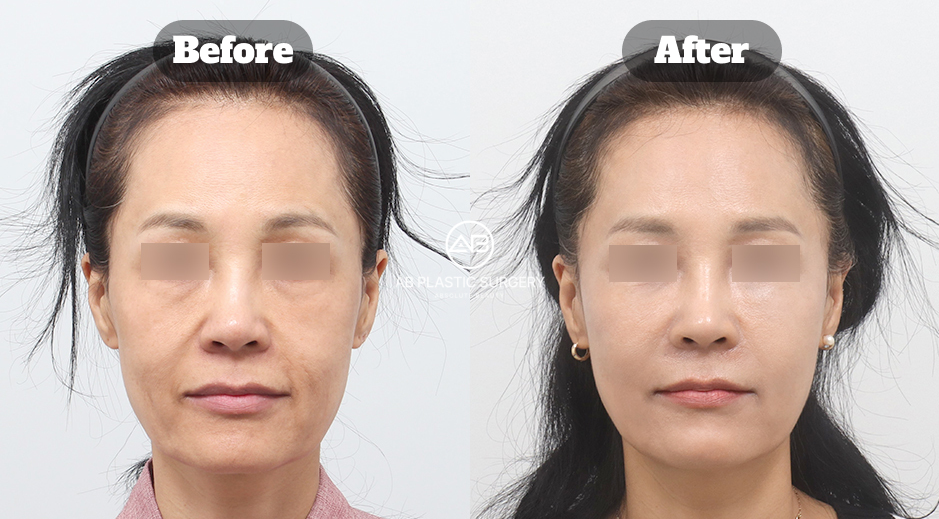
When viewing before-and-after photos, check when each “after” photo was taken. A photo from a few days after treatment shows swelling, not the final result. You can review real before-and-after results from AB Plastic Surgery Korea patients by procedure.

Are there any risks or side effects associated with these procedures?
In short: Most side effects are temporary: redness, swelling, and bruising. Each procedure also has rare but important risks. That is why a clinic's anesthesia and emergency systems matter as much as its technique.
While generally safe, anti-aging procedures carry some risks:
-
Common: redness, swelling, bruising, temporary discomfort
-
Rare but serious: infection, allergic reactions, asymmetry
Choosing a qualified surgeon, proper pre-treatment evaluation, and careful aftercare all reduce the likelihood of complications.
Important procedure-specific risks to discuss with your surgeon include:
-
Botox: temporary eyelid or brow drooping, or an uneven expression if the product spreads beyond the intended muscle.
-
Dermal fillers: lumps or irregularity. Rarely, injection into a blood vessel can damage skin tissue or, very rarely, affect vision (a known risk listed by the US FDA). Ask how your clinic would respond.
-
Thread lifts: dimpling, visible or palpable threads, asymmetry, and occasionally thread exposure that requires removal.
-
Fat grafting: partial fat absorption, contour irregularity, and the need for a second session.
-
Facelift and neck lift: hematoma, temporary or rarely persistent facial nerve weakness, visible scarring, and the general risks of anesthesia.
How AB Plastic Surgery Korea Manages Patient Safety
The clinic states that it has had zero reported medical accidents since it opened in September 2020, and attributes this to the following systems:
-
On-site anesthesiology specialists: A board-certified anesthesiologist monitors each surgical patient from induction through recovery. The clinic states its anesthesiologist ratio is 47.1%, versus a 23.1% average at Korean hospital-level institutions.
-
Operating room CCTV and a surgeon name-tag system: Surgeries are recorded on CCTV, and the operating surgeon is identified for each procedure, so the surgeon you consult with is the surgeon who operates.
-
Pre-operative screening: Blood tests and cardiopulmonary checks with an on-site clinical pathologist, 3D-CT analysis where relevant, and in-house blood cross-matching that the clinic states can be completed in about two hours, including on weekends and at night.
-
Emergency response: University hospital-level emergency equipment, including a defibrillator, ventilator, and backup power supply, plus a 24-hour emergency line after you return to your hotel or home country.
Make sure to read the precautions for minimizing side effects and maximizing results before and after your procedure. For a deeper look at anesthesia safety and complication prevention written by AB's surgeons, browse the AB Plastic Surgery Korea medical column.
Can multiple anti-aging treatments be combined?
In short: Yes. Each treatment targets a different layer of the face, so combinations are common. The right order and spacing depend on your concerns, health, and schedule, and should be planned at consultation.
Combining treatments is a common way to achieve comprehensive results. For example:
-
Botox reduces dynamic wrinkles.
-
Fillers restore lost volume.
-
Laser treatments improve texture and tone, complementing a thread lift or facelift.
A customized plan addresses multiple signs of aging based on your needs and goals.
When planning a combination, ask your surgeon:
-
Which treatments can safely be done on the same day, and which should be staged?
-
Should surgery come first, with skin treatments added after healing?
-
How does combining procedures change the total recovery time and the length of stay in Korea?
For an example of how surgical lifting and skin treatments work together, see how a facelift and skin boosters can be combined for facial rejuvenation.
What should I expect during my initial consultation?
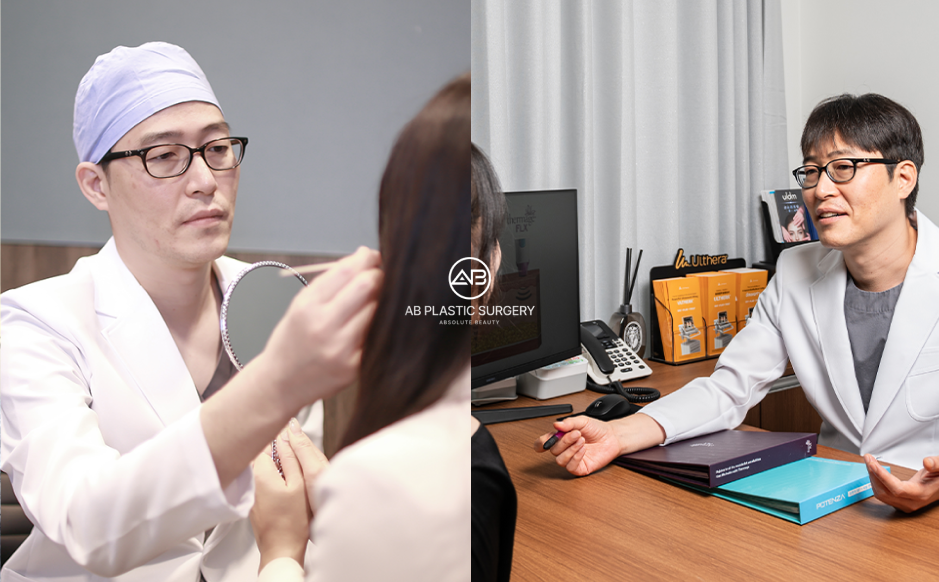
In short: The surgeon examines your skin and facial structure, discusses your goals, recommends suitable treatments, and explains risks, recovery, and cost. Coming prepared with your medical history, previous treatments, and travel dates makes the recommendation more accurate.
During the initial consultation, the surgeon will:
-
Evaluate your skin condition and discuss your goals
-
Recommend suitable treatments
-
Explain the procedure, risks, benefits, and recovery
-
Provide a cost estimate and answer your questions
It is also your chance to assess the surgeon's expertise and whether you feel confident in their care.
Prepare the following before your consultation:
-
Medications and supplements: especially blood thinners, aspirin, fish oil, vitamin E, and herbal supplements, which can increase bruising and bleeding.
-
Previous treatments: the type and date of any past fillers, threads, Botox, or facial surgery.
-
Health conditions: allergies, high blood pressure, diabetes, and smoking history.
-
Your schedule: arrival and departure dates, and how you plan to handle follow-up care after returning home.
For a step-by-step walkthrough, read Navigating Your Korean Plastic Surgery Consultation: A Comprehensive Guide.
How do I choose the right clinic and surgeon in Korea?
In short: Look beyond reviews and ads. Check board certification, on-site anesthesia, emergency response, follow-up after you go home, and credentials that required an external review.
Choosing the right clinic and surgeon takes research:
-
Look for board-certified surgeons experienced in anti-aging procedures.
-
Read patient reviews and check before-and-after photos.
-
Seek recommendations from trusted sources.
-
At consultation, assess the surgeon's communication and attentiveness.
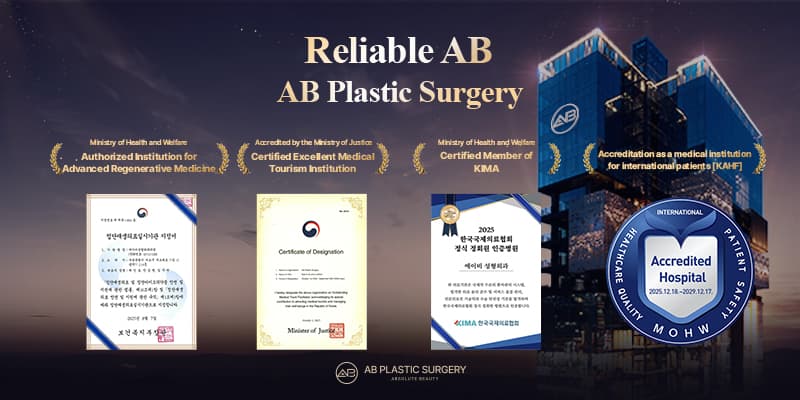
Credentials Worth Checking and What They Mean for You
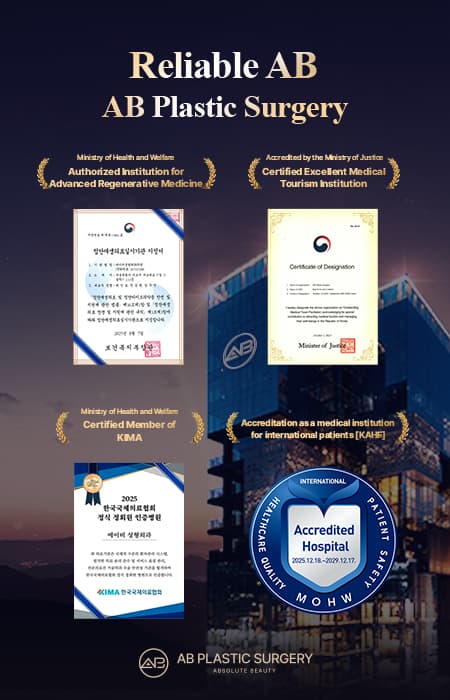
Advertising claims are easy to write. Credentials that require an outside review of a clinic's systems tell you more. Here is what AB Plastic Surgery Korea holds and why each one matters from a patient's point of view.
|
Credential |
What it means for you as a patient |
|---|---|
|
KAHF accreditation (Accreditation as a medical institution for international patients, Ministry of Health and Welfare) |
The clinic's patient safety management, infection prevention, staff emergency training, and hygiene were reviewed against national standards. It reflects how the clinic is required to respond if something goes wrong, not just how well it performs surgery. |
|
KIMA full membership (Korea International Medical Association) |
Membership required meeting criteria for international patient care, medical ethics, infection control, and surgical safety. |
|
Excellent Medical Tourism Institution (designated by the Ministry of Justice, 2025) |
Reviewed on illegal stay rates, patient records, and visa handling; eligible patients may use a faster electronic medical visa process. |
|
Advanced Regenerative Medicine Institution (Ministry of Health and Welfare, 2025) |
The stem cell center met facility, equipment, and staffing requirements for regenerative medicine clinical research. |
|
Academic activity |
AB surgeons have served as IFAAS faculty for three consecutive years, performing live surgery and lectures for visiting international surgeons, and have lectured or chaired sessions at APS KOREA 2025 and 2026, PRS KOREA 2025, and the Korean Association of Plastic Surgeons' fall course. Surgeons who teach a technique to other surgeons have had it reviewed by their peers. |
|
Hospital partnerships |
Educational cooperation with Seoul National University Bundang Hospital and a cooperation agreement with Hallym University Dongtan Sacred Heart Hospital, giving a referral pathway to a university hospital if needed. |
|
Anesthesia and surgical safety |
A board-certified anesthesiologist on site for surgery, operating room CCTV, and a 24-hour emergency line, with zero reported medical accidents since September 2020, according to the clinic. |
→ Check each surgeon's specialty and training on the AB Plastic Surgery Korea surgeon profiles.
→ Learn about accreditations and facilities in the introduction to AB Plastic Surgery Korea.
→ Use the 2026 essential checklist for choosing a Korean plastic surgery clinic.
Explore more anti-aging, lifting, and medical travel guides on the AB Plastic Surgery Korea blog.
Sources referenced (external organizations, listed for reference only): US Food and Drug Administration (FDA), dermal filler safety information; American Society of Plastic Surgeons (ASPS), facelift and thread lift patient information; Ultherapy official product information (micro-focused ultrasound technology); published systematic reviews on intradermal botulinum toxin for skin quality. AB Plastic Surgery Korea safety, credential, and pricing information is provided by the clinic.

This article is for informational purposes only and does not replace a personal medical consultation.