Nose
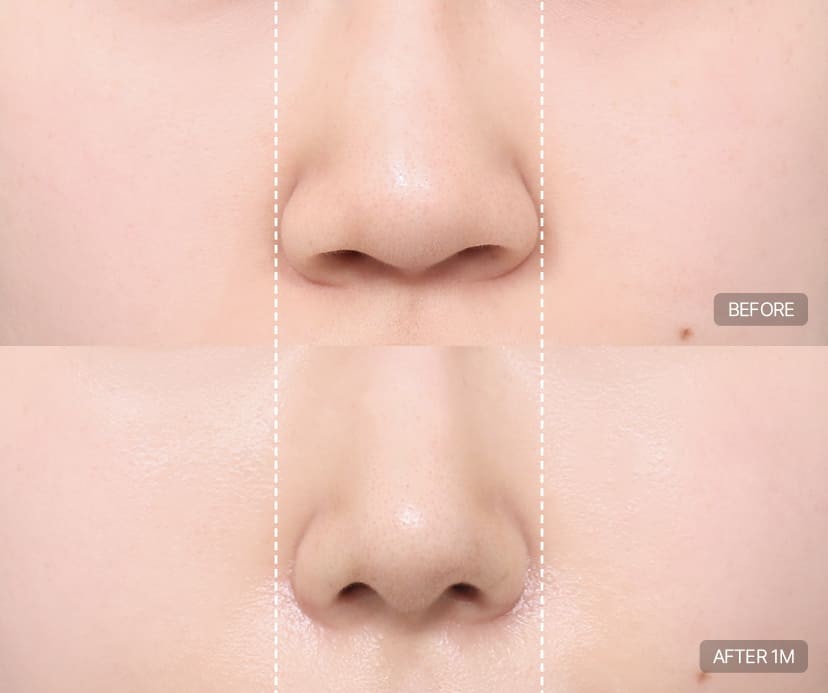
Alar Reduction
Reduces the overall width of the nostrils to create a balanced, harmonious nose.
For noses with wide nostrils or flared openings that appear broad, this procedure slims the
nostrils to match facial proportions and create a refined, natural look.
Types of Alar Reduction
Alar reduction is a surgical procedure that reduces the width of the nose's alae to give it a sharper and
more refined appearance.
If your nose’s alar are not thick but appear wide due to large nostrils, part of the alae will be excised and then sutured.

Step 1.
The excision is made along the border between the nasal alae and the cheeks.
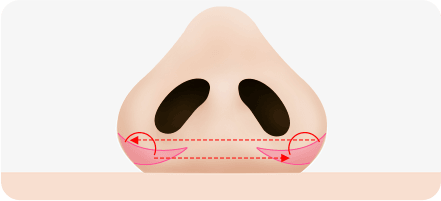
Step 2.
The periosteum and ligaments are detached and repositioned, then securely double-sutured with thread.

Step 3.
The nose shape becomes sharper and more balanced.
If the nasal alae appear wide because the base of the nostrils is wide, even though the nostrils are neither fleshy nor large, a small incision is made at the bottom of the nostrils, and the nasal alae are pulled together with thread.
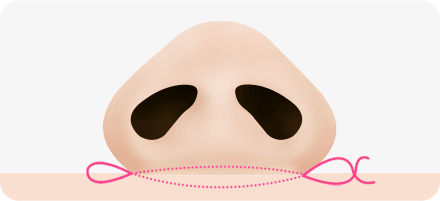
Step 1.
A thread is inserted into both ends of the nasal alae
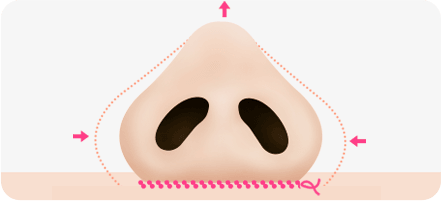
Step 2.
The thread is pulled to narrow the wide nasal alae

Step 3.
The nose shape becomes sharper and more balanced
3. Customized 1:1 analysis for alar Reduction
Ideally, the width of the nostrils should be the same as the distance between the eyes, narrower than the horizontal length of the lips, and the angle at the base of the nasal columella should be 2.1 degrees.


4. The ideal shape and angle of the nasal alae
The shape of the nose is improved by bringing the nostrils together into a balanced and symmetrical shape
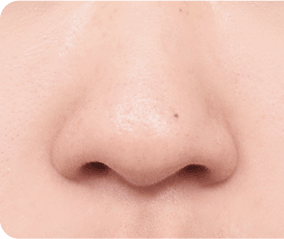
Before

After 1M
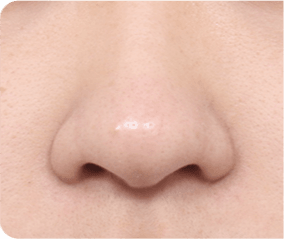
Before

After 6M
5. Scar emergence prevention through precise incision
Prevent scars by performing surgery in an inconspicuous area
45°
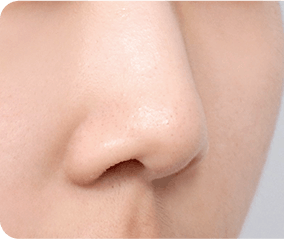
Before
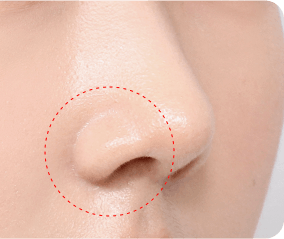
After 1M
From below
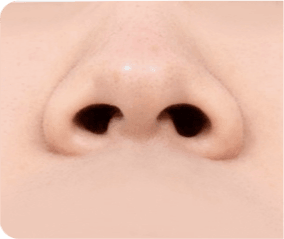
Before
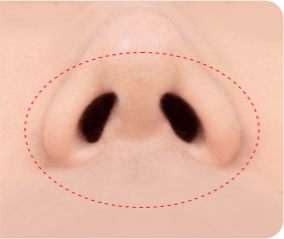
After 1M
AB's Special Advantages
Why choose AB for alar reduction
1. AB technique that considers the shape of the nostrils
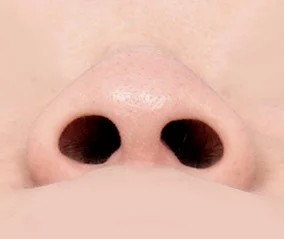
BEFORE
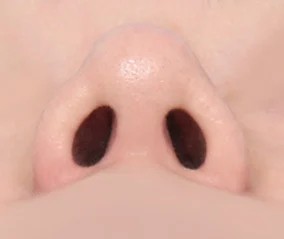
AFTER 3M
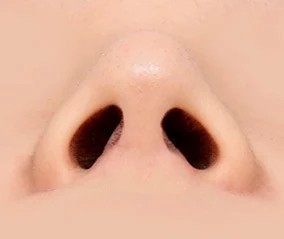
BEFORE
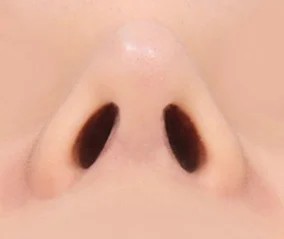
AFTER 4M
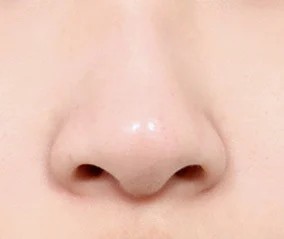
BEFORE
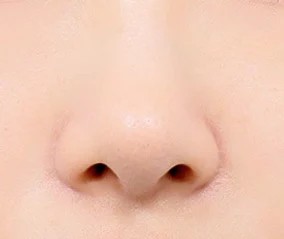
AFTER 3M
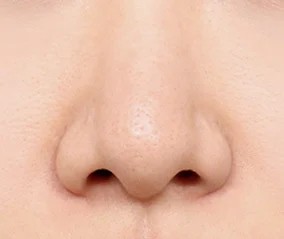
BEFORE
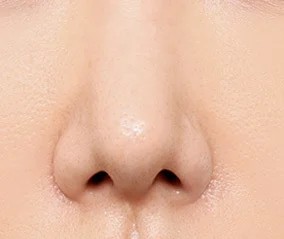
AFTER 2M
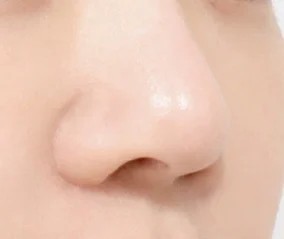
BEFORE
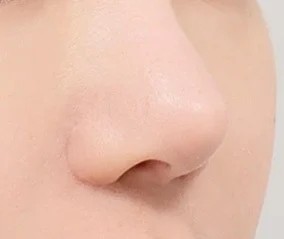
AFTER 7M
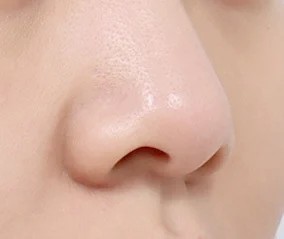
BEFORE
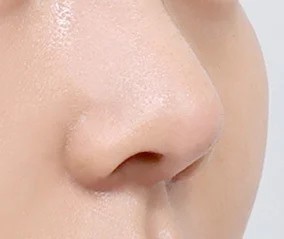
AFTER 1M
2. Customized alar reduction tailored to each individual’s nose shape
No Worries About Scars
Minimizes visible scars or surgical marks for a clean, natural result.
Natural Results
Reduces the alar width while considering the tip’s proportions, creating a naturally balanced look.
Quick Recovery
Low bleeding, minimally invasive procedure for a fast recovery and a quick return to daily life.
1:1 Customized Design
Personalized to your nose’s size and height, achieving a beautifully proportioned tip.
#AB’s Personalizedd Diagnosis and Care System
From consultation to full recovery, we promise dedicated one-on-one care, with
the same medical team taking full responsibility throughout the entire process.
 Comprehensive 1:1 Responsible Care Throughout the Entire Journey
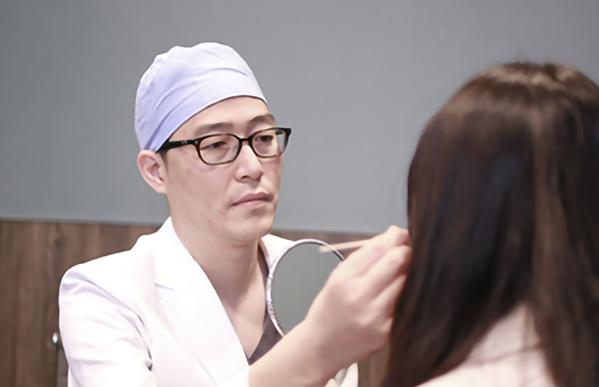
1: 1 Personalized Consultation
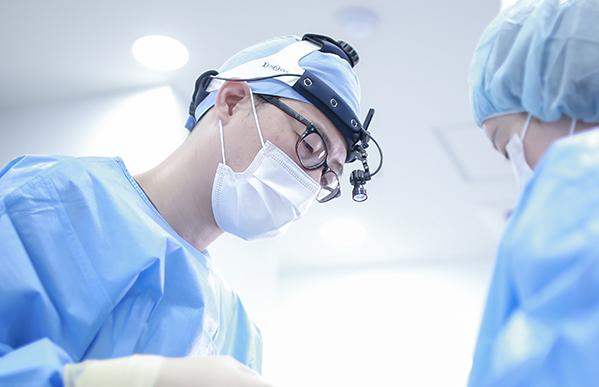
Surgery Performed Directly by the Consulting Specialist
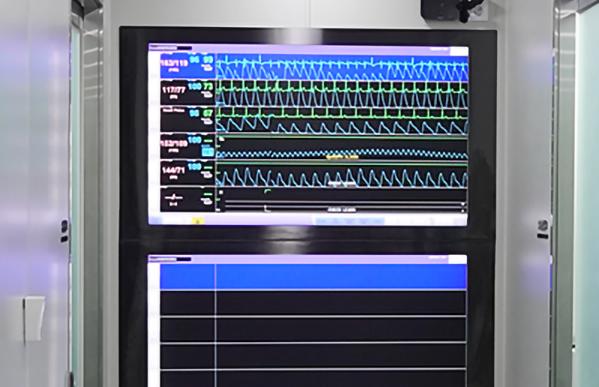
Close Monitoring by a Dedicated Anesthesiologist

Personalized Management by a Dedicated Consultant

Progress Monitoring and 1:1 Postoperative Care
Alar Reduction Surgery Information
INFORMATION SURGERY
Surgery Information
Surgery Time
30 minutes
Anesthesia
Sedation (sleep anesthesia)
Follow-up Visits
2–3 visits
Recovery Period
Resume normal activities after 7 days



RECOMMENDED FOR
Recommended Candidates
Individuals with wide or flared nostrils, giving the appearance of a low or bulbous nose
Those with thick skin, abundant subcutaneous tissue, or fatty tissue at the tip
Individuals with overly thick or large lower nasal cartilage
Those who wish to achieve a refined, sharper nose through alar reduction

Loading...
Frequently Asked Questions About Reduction
After rhinoplasty, it is recommended to start wearing glasses about one month after the procedure. For patients who regularly wear glasses, caution is needed following surgery. First, if glasses are worn too early, the weight may cause the implant to shift. Second, the implant may extend toward the upper nasal bridge, and wearing or removing glasses too soon could move the implant. Generally, after about one month, the implant gradually adheres to the surrounding tissue, reducing the risk of movement. Therefore, patients are advised to wait at least one month before wearing glasses.
Rhinoplasty can correct a crooked nose in any case, including severe deviations. When patients describe their noses as crooked, the area they are referring to may differ individually. Typically, when viewed from the front, the nasal bridge from the glabella to the tip may not be straight and may deviate to one side around the middle. Some patients also refer to a hump nose that appears uneven from the side as a crooked nose. Rhinoplasty can correct all types of cases, including crooked noses, hump noses, flat noses, short noses, and bulbous noses, so there is generally no need for concern.
If the area that was hit is only slightly red, it is unlikely to be a fracture. However, if the swelling seems significant, an examination may be necessary to determine whether a fracture has occurred. In cases of severe swelling, it may be difficult to immediately assess a fracture. In the meantime, apply cold compresses to the affected area, and visit the surgical clinic one to two weeks later for a CT scan and a thorough examination by the specialist. Even if a fracture is confirmed, if the implant position and nasal septum are not significantly affected, most cases do not require additional treatment, so there is generally no need to worry.
Autologous dermis begins to be absorbed from the moment it is transplanted, so unlike an implant, it may be difficult to see a definite change immediately. Due to the nature of autologous dermis, there are some limitations during surgery, the most significant being that it is difficult to predict the exact postoperative outcome. Additionally, unlike the defined and prominent results achieved with an implant, autologous dermis transplanted onto the nasal bridge may feel soft or spongy to the touch because of its tissue characteristics. If you have a clear expectation for a high, defined nasal bridge or tip, autologous dermis rhinoplasty may not be recommended. On the other hand, if you are undergoing revision surgery multiple times, and the nasal skin has become thin or the risk of complications is high, autologous dermis may be more advantageous than an implant. Rather than deciding based on a preconception of using an implant, it is important to carefully evaluate the current condition of your nose and determine the most suitable surgical method through consultation with a plastic surgery specialist.
The most common reason for undergoing revision rhinoplasty is contracture. Contracture is a complication in which a previously inserted implant causes inflammation, leading to hardening of the nasal skin, pulling of the nasal tip, and shortening of the nose. This condition is usually visible externally, so it is crucial to inform the clinic where the original surgery was performed and to have the cause of the problem thoroughly evaluated. Contracture can be stressful, and if left untreated, it can permanently distort the shape of the nose. Revision surgery typically involves removing the existing implant and replacing it with a new one. During surgery, any tissue that has adhered inside the nose must be carefully treated, making the procedure more complex. If the reason for revision surgery is cosmetic—because the shape of the nose does not meet expectations—but there are no inflammation or functional issues, it is generally recommended to wait at least six months to one year for the nasal tissue to stabilize before performing the correction, ensuring a more reliable and stable result.
Safety System
Through various safety management systems, patients can receive surgery with greater peace of mind.

On-site board-certified specialist in Anesthesiology and Pain Medicine
Anesthesiology and pain medicine specialists manage the entire surgical process from pre-operation through post-operation.

Real-time monitoring during anesthesia
Anesthesiologists monitor patients in real time during surgery, with dual and triple verification through central monitoring systems.

Pre-surgery safety check
For safer surgery, we conduct comprehensive pre-operative examinations through our in-house self-inspection system.

University hospital–level safety equipment
Through various safety management systems, patients can receive surgery with greater peace of mind.
Related doctors
AB doctors related to this nose procedure
These profile links connect this page with AB doctors whose CSV-listed specialty areas match the nose procedure.
- Dr. Kim Joo-YounNose Surgery, Fat Grafting
- Dr. Ma Seong-HwanNose Surgery, Fat Grafting, Forehead Lift
- Dr. Park Seong-HoonEye Surgery, Nose Surgery, Fat Grafting
- Dr. Seo Chan-EolNose Surgery, Fat Grafting
- Dr. Ahn Seung-HyunNose Surgery, Fat Grafting, Facial Contouring
- Dr. Lee Dong-HanNose Surgery, Fat Grafting
- Dr. Jo Kyu-SangEye Surgery, Nose Surgery, Fat Grafting, Body Contouring
Make your own plan for Korean Plastic Surgery
Please note that the actual medical schedule may vary depending on each patient's individual condition,
such as health status, and the specific surgical procedures involved.
Tailored to meet individual needs,
our service ensures that your medical tourism journey is planned
with the utmost care and precision, considering your unique medical requirements
Date of surgery
Eye Surgery
Nose Surgery
Fatgraft
Lifting
Accu
Breast Surgery
Body Shaping
liposuction
Lip
Facial Contouring
Skincare
Stem Cells
| SUN | MON | TUE | WEN | THU | FRI | SAT |