Title
Chin Augmentation in Korea 101: 4 Key Facts You Need to KnowDate
2024-11-28Views
10846
AB Blog
Chin Augmentation in Korea: Why International Patients Are Making the Journey
Table of Contents
1. What Is Chin Augmentation?
2. Surgical Chin Augmentation
3. Non-Surgical Chin Augmentation
4. Non-Surgical vs. Surgical Chin Augmentation
5. Chin Augmentation Cost in Korea
6. Frequently Asked Questions About Chin Augmentation in Korea
Have you ever felt that your chin could use a little more definition to balance your facial features? Chin augmentation is becoming an increasingly popular procedure for those looking to enhance their profile and achieve facial harmony. Recently, Korea has emerged as a leading destination for this treatment, drawing patients from all over the world. Known for its advanced techniques and expert surgeons, Korea offers a unique opportunity to combine aesthetic transformation with world-class care.
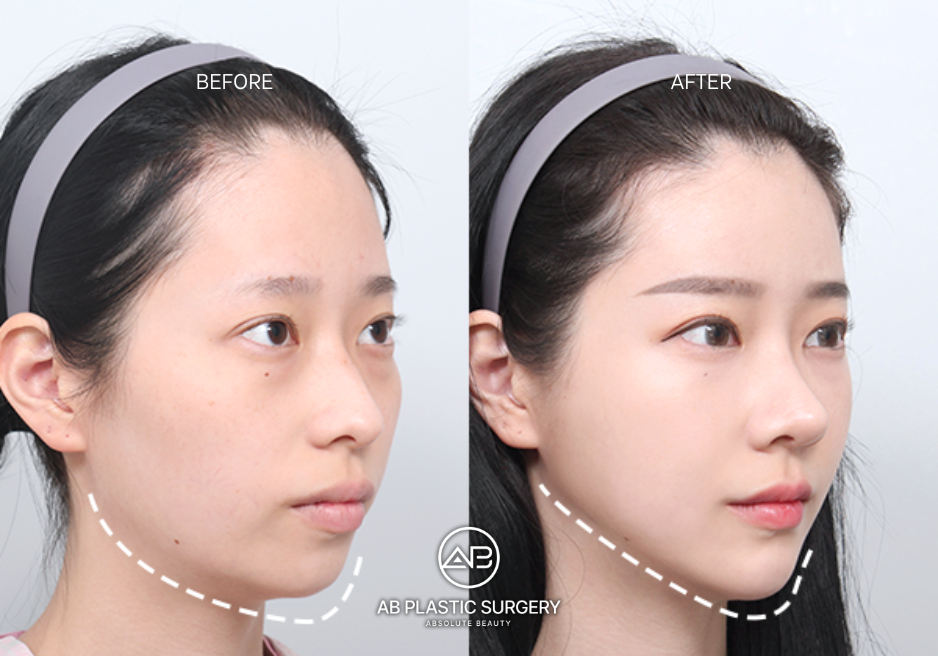
1. What Is Chin Augmentation?
Chin augmentation is a cosmetic procedure designed to enhance the shape, size, or projection of the chin. Whether you’re looking to balance your facial proportions or create a stronger, more defined jawline, this procedure offers a variety of solutions. There are two primary approaches:
-
Surgical Chin Augmentation: Involves the placement of silicone or other biocompatible implants. Ideal for permanent results and more significant changes.
-
Non-Surgical Chin Augmentation: Uses injectable fillers, such as hyaluronic acid, for a temporary enhancement. Perfect for those seeking subtle changes with minimal downtime.
Both methods have their benefits, and your choice will depend on the results you’re aiming for and your comfort level with surgery.
Why Consider Chin Augmentation?
Chin augmentation can address a variety of concerns, including:
-
A weak or receding chin that affects your profile.
-
Enhancing facial harmony by balancing the chin with the nose or jawline.
-
Correcting chin asymmetry or irregularities.
-
Boosting confidence and improving overall appearance.
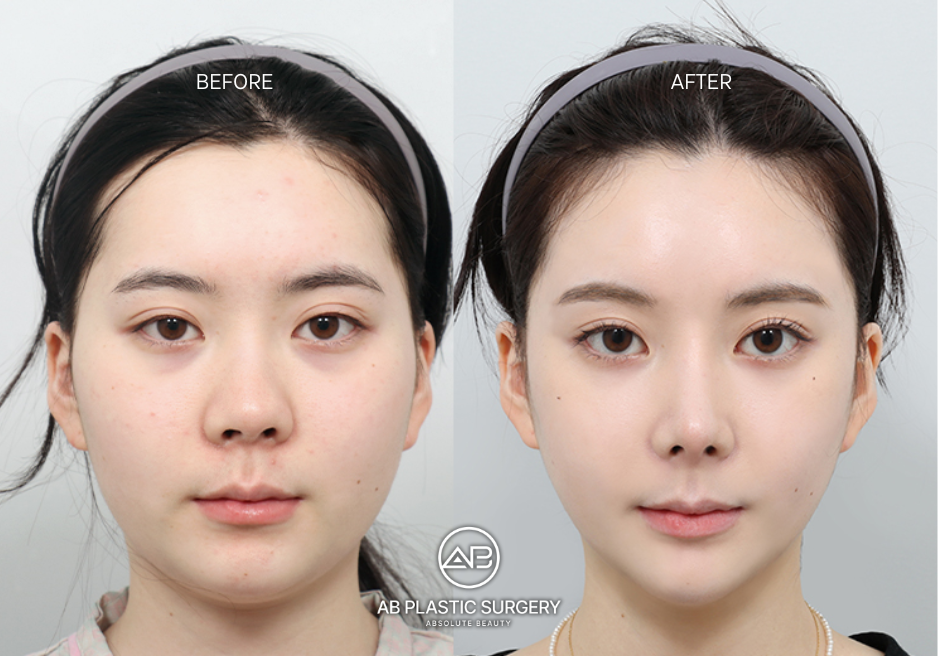
2. Surgical Chin Augmentation
Surgical chin augmentation provides long-lasting, permanent results, making it the best option for those looking for significant changes in chin shape and size.
Chin Implants
Chin implants are a customizable solution designed to enhance the shape, size, and projection of the chin. Your surgeon will select the ideal material and design to suit your unique facial structure. There are two primary types of chin implants:
Silicone Implants
Silicone implants are a popular option due to their flexibility, lightweight design, and ease of customization. Made from medical-grade silicone, these implants are smooth and well-tolerated by the body, with minimal risk of rejection. One of the main advantages of silicone implants is their reversibility—you can easily remove or replace them if desired. However, they don’t integrate with surrounding tissues, which means there is a small chance of shifting over time. Additionally, they may not feel as natural as porous implants under the skin.
Porous Polyethylene Implants (e.g., Medpor)
Medpor implants are made of porous polyethylene, a biocompatible material that allows the body’s tissue to grow into the implant, making it more stable and natural-feeling. Once placed, these implants integrate firmly with surrounding tissues, reducing the risk of movement. This makes them an excellent choice for those seeking long-term stability. However, the integration process makes removal or adjustments more difficult, and the procedure for inserting these implants is a bit more complex compared to silicone implants.
Sliding Genioplasty (Implant-Free Option)
Sliding genioplasty, or osseous genioplasty, is a surgical technique that reshapes and repositions your natural chin bone to achieve the desired contour. This method doesn’t require implants, making it an excellent choice for patients who prefer a more natural, integrated solution. The surgeon will carefully move and reshape the chin bone, securing it in place with small screws or plates. This approach is ideal for those who want a more customized result and avoid synthetic materials.
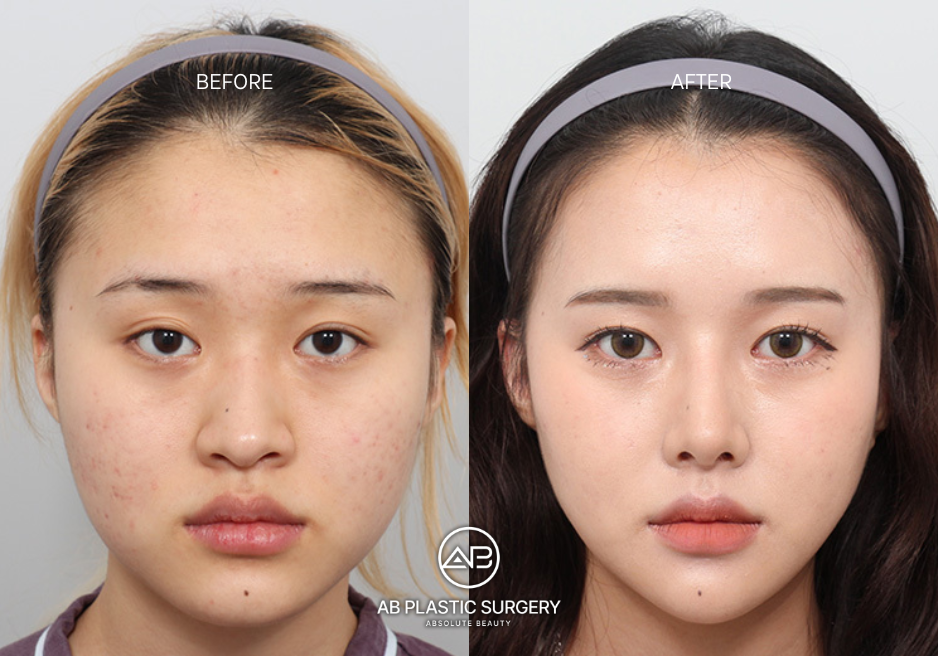
3. Non-Surgical Chin Augmentation
Non-surgical chin augmentation offers a less invasive option with minimal downtime. This procedure is perfect for those looking to enhance their chin with temporary or subtle changes.
Dermal Fillers
Injectable fillers, like hyaluronic acid-based products (e.g., Juvederm or Restylane), are the most commonly used materials for non-surgical chin augmentation. These fillers are injected into specific areas of the chin to add volume, improve symmetry, and enhance projection. The procedure is quick, typically taking less than 30 minutes, and requires little to no recovery time.
Fat Transfer
Fat transfer is another non-surgical option, where fat is harvested from another part of your body (such as the abdomen or thighs) and injected into the chin. This method provides a more natural, biocompatible alternative to synthetic fillers and can yield longer-lasting results. However, it requires more precision and may involve a slightly longer recovery time compared to fillers.
Benefits of Non-Surgical Chin Augmentation
-
Quick and Convenient: The procedure takes under 30 minutes and can be performed in a clinic.
-
Minimal Downtime: Most patients can return to normal activities right away.
-
Reversible: For hyaluronic acid fillers, the results can be adjusted or reversed with an enzyme (hyaluronidase).
-
Subtle Enhancements: Ideal for those seeking a softer improvement or a trial run before considering surgery.
-
Customizable: Treatment can be tailored to address specific concerns, such as chin projection or asymmetry.
Drawbacks of Non-Surgical Chin Augmentation
-
Temporary Results: Fillers last about 9-18 months, and fat transfer may provide longer-lasting results, but both require periodic treatments.
-
Limited Scope: Non-surgical options are best for mild to moderate changes and can’t address more significant structural issues.
-
Maintenance Required: To maintain results, you may need periodic touch-ups, which could add up over time.
4. Non-Surgical vs. Surgical Chin Augmentation
Whether you're seeking a subtle improvement or a permanent transformation, chin augmentation in Korea offers a range of solutions to meet your needs. If you're considering both surgical and non-surgical options, AB Plastic Surgery is here to guide you through the process and help you achieve the perfect chin contour.
Ready to enhance your profile? Apply for a consultation at AB Plastic Surgery today, and let our expert surgeons help you achieve the results you’ve always wanted!
5. Chin Augmentation Cost in Korea
The cost of chin augmentation in Korea varies depending on the surgical method, anatomical complexity, materials used, and whether additional contouring procedures are combined. In general, surgical procedures such as genioplasty or facial contouring involve higher costs due to operating time, bone structure modification, and recovery management, while non-surgical options may offer a more accessible entry point for temporary enhancement.
Surgical Chin Augmentation Cost
Non-Surgical Chin Augmentation Cost
All prices are starting estimates in USD and may vary depending on individual anatomy, surgical complexity, treatment scope, implant selection, and combined procedures. Accurate treatment planning and pricing can only be determined through a personalized medical consultation.
→ Check Chin Augmentation Costs & Customized Surgery Planning
Frequently Asked Questions About Chin Augmentation in Korea
How much does chin augmentation cost in Korea?
Chin augmentation cost in Korea varies depending on the procedure type, surgical complexity, implant selection, and whether additional facial contouring procedures are combined. Based on AB Plastic Surgery Korea’s pricing guide, genioplasty starts from approximately $5,240 USD, V-line facial contouring starts from approximately $3,740 USD, and 3-set facial contouring starts from approximately $15,650 USD. Final pricing should be confirmed through a personalized consultation.
Is surgical chin augmentation more expensive than non-surgical chin augmentation?
In general, surgical chin augmentation tends to have a higher initial cost because it may involve bone repositioning, implant placement, anesthesia, operating time, and recovery management. Non-surgical options such as filler or fat grafting may cost less per session, but they may require maintenance treatments over time. The best option depends on your anatomy, desired level of change, and long-term treatment goals.
What affects the final price of chin augmentation surgery?
The final price may vary depending on chin structure, facial balance, surgical difficulty, implant material, correction range, anesthesia requirements, and whether the procedure is combined with V-line surgery, facial contouring, fat grafting, or other treatments. Revision cases may also require more complex planning, which can affect the total cost.
How can I check the exact cost and surgery schedule?
For an accurate estimate, it is best to request a personalized consultation. AB Plastic Surgery Korea can help review your facial structure, treatment goals, expected procedure scope, recovery period, and customized surgery schedule. You can check pricing and planning details through the Plastic Surgery Cost in Korea & Customized Surgery Planning page.

This article is for informational purposes only and does not replace a personal medical consultation.