Title
Why Do Koreans Get Double Eyelid Surgery?Date
2024-10-17Views
28430
AB Blog
Double Eyelid Surgery: More Than Just a Beauty Standard in Korea
Table of Contents
1. What Is Double Eyelid Surgery in Korea?
2. Incisional vs Non-Incisional Double Eyelid Surgery
3. Who Is a Good Candidate for Double Eyelid Surgery?
4. Recovery Timeline and Aftercare
5. Enhancing Facial Expression and Social Communication
6. Easier Makeup Application
7. Adapting to Beauty Trends
8. Boosting Confidence and Mental Well-being
9. A Competitive Edge in the Job Market
10. A Normalized Part of Life
11. More Than Just a Beauty Trend
12. FAQ for International Patients
Double eyelid surgery, also known as blepharoplasty, is one of the most popular cosmetic procedures in South Korea. With around 200,000 people undergoing double eyelid surgery every year, it plays a significant role in the nation’s beauty culture. Although it’s often seen as a cosmetic choice, many people have practical and personal reasons for getting double eyelid surgery. The procedure is especially common among young adults aged 19 to 29, who often undergo it as they transition into adulthood, start college, or enter the workforce. Let’s explore what makes double eyelid surgery such a popular option in Korea.
What Is Double Eyelid Surgery in Korea?
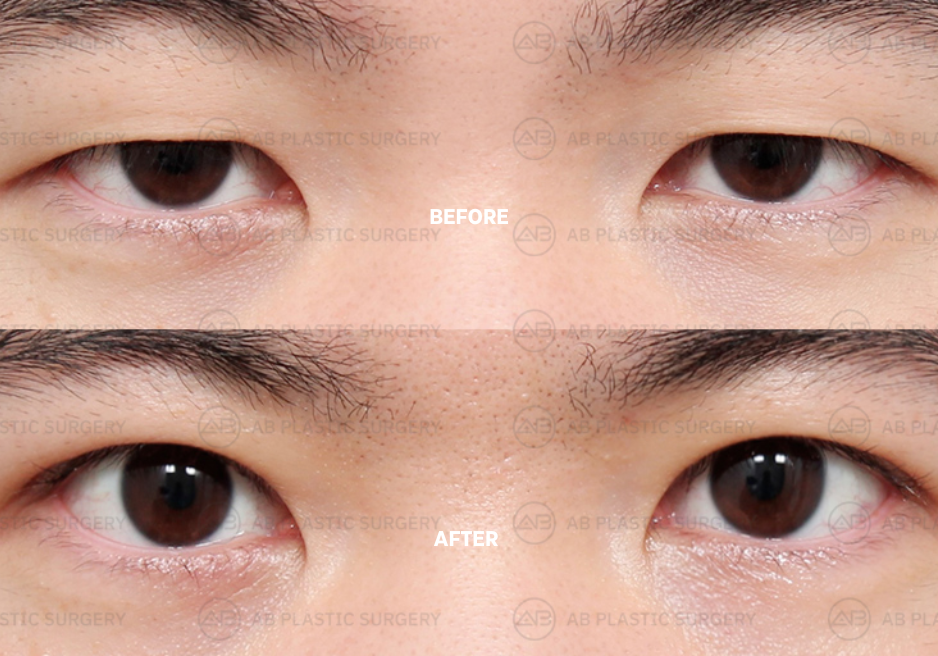
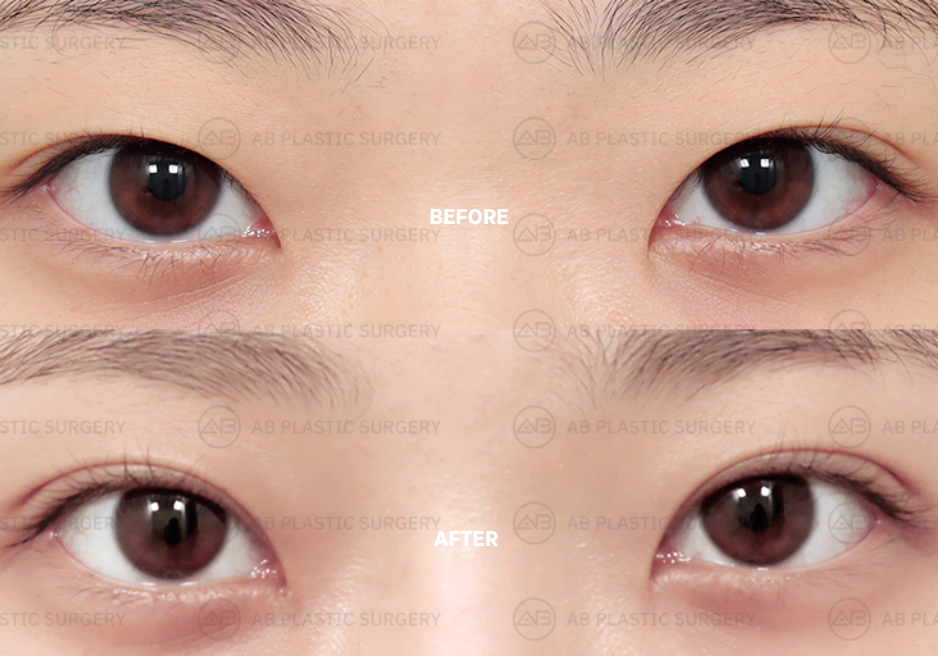
Double eyelid surgery, medically known as blepharoplasty, is a procedure that creates a defined crease in the upper eyelid. This crease enhances the overall eye structure, making the eyes appear more open, balanced, and naturally expressive rather than simply “larger.”
In the context of double eyelid surgery in Korea, the focus is not on applying a standardized look, but on designing a crease that harmonizes with each individual’s facial features. Korean surgeons typically analyze multiple anatomical factors, including eyelid thickness, skin elasticity, fat volume, and eye shape, before determining the most suitable surgical approach.
Unlike common assumptions, the procedure is not purely cosmetic. In some cases, patients with heavy eyelids or excess skin may experience improved visual openness and reduced eye fatigue after surgery. This functional aspect is one reason why double eyelid surgery is considered both an aesthetic and structural enhancement.
Another important point is customization. The height, depth, and shape of the eyelid crease are carefully adjusted to match the patient’s facial proportions. This ensures that the result looks natural both at rest and during facial expressions, avoiding an artificial or overly dramatic appearance.
For international patients, understanding this approach is essential. Rather than aiming for a “Korean-style eye,” modern techniques prioritize subtle refinement, minimal scarring, and long-term stability. The goal is to enhance the natural eye shape while maintaining individual identity.
As a result, double eyelid surgery in Korea is widely recognized not only for its aesthetic outcomes, but also for its precision, personalization, and ability to deliver balanced, long-lasting results.
Incisional vs Non-Incisional Double Eyelid Surgery
One of the most important decisions in double eyelid surgery in Korea is choosing between the incisional and non-incisional method. Each technique is designed to create a natural eyelid crease, but they differ in surgical approach, recovery time, and suitability depending on individual anatomy.
Non-Incisional Double Eyelid Surgery
The non-incisional method, also known as the suture technique, creates the eyelid crease without making a full incision. Instead, fine sutures are used to form a fold through small entry points in the eyelid.
-
Minimal invasiveness with no large incision
-
Shorter recovery time and reduced swelling
-
No visible external scar
-
Best suited for thin eyelid skin and minimal fat
-
May have less long-term durability compared to incisional methods
Incisional Double Eyelid Surgery
The incisional method involves creating a precise incision along the eyelid to form a stable and long-lasting crease. This approach allows for structural correction of the eyelid.
-
Allows removal of excess skin and fat
-
More defined and long-lasting crease
-
Suitable for thick eyelids or droopy skin
-
Slightly longer recovery period compared to non-incisional
-
Provides greater control over crease design
How to Choose the Right Method
The choice between incisional and non-incisional double eyelid surgery is not simply based on preference. It depends on anatomical factors such as eyelid thickness, skin elasticity, and fat distribution.
For international patients, a personalized consultation is essential to determine which method will provide the most natural, stable, and long-term result. Choosing the right technique ensures not only aesthetic improvement, but also structural balance and durability.
See Real Before & After Results
Who Is a Good Candidate for Double Eyelid Surgery?
Not everyone requires the same approach when considering double eyelid surgery in Korea. The suitability of the procedure depends on individual eyelid anatomy, skin condition, and aesthetic goals. Understanding whether you are a good candidate is an essential first step before choosing a surgical method.
Ideal Candidates for Double Eyelid Surgery
Double eyelid surgery is generally suitable for individuals who want to enhance eye definition while maintaining a natural appearance.
-
Individuals with monolids who want a more defined eyelid crease
-
People with uneven or asymmetrical eyelids
-
Those who experience difficulty applying eye makeup due to lack of crease
-
Patients seeking a more open and refreshed eye appearance
-
Individuals looking for long-term, stable results rather than temporary solutions
Candidates Based on Eyelid Condition
The condition of the eyelid plays a major role in determining not only eligibility but also the most appropriate surgical method.
-
Thin eyelid skin with minimal fat → often suitable for non-incisional methods
-
Thick eyelid skin or excess fat → may require incisional surgery
-
Droopy eyelids or excess skin → incisional method recommended for correction
-
Weak eyelid muscle (ptosis) → may require additional corrective procedures
Who May Need Additional Evaluation
Some patients may require a more detailed medical assessment before proceeding with surgery to ensure safe and optimal results.
-
Individuals with severe eyelid ptosis (drooping eyelids)
-
Patients with previous eye surgery or revision cases
-
Those with very thick skin or complex eyelid anatomy
-
Individuals with underlying eye or medical conditions affecting healing
Why Personalized Consultation Matters
While general guidelines can help identify good candidates, the final decision should always be based on a professional consultation. Each patient’s eye structure is unique, and selecting the right surgical approach requires a detailed analysis of anatomy, lifestyle, and expectations.
For international patients, this step is particularly important. A personalized consultation ensures that the chosen method aligns with both aesthetic goals and long-term stability, rather than following a one-size-fits-all approach.
Recovery Timeline and Aftercare
Understanding the recovery process is an important part of planning double eyelid surgery in Korea, especially for international patients who need to manage travel schedules. While recovery can vary depending on the surgical method and individual healing response, most patients follow a predictable timeline.
How Much Does Double Eyelid Surgery Cost in Korea?
The cost of double eyelid surgery in Korea varies depending on the surgical method, the complexity of the case, and the individual’s eyelid structure.
Below is a general price range based on common procedures at AB Plastic Surgery Korea:
-
Non-incisional double eyelid surgery (suture method): from $1,700
-
Incisional double eyelid surgery: from $2,380
-
Upper blepharoplasty with ptosis correction: from $2,930
-
Lower blepharoplasty: from $1,870
-
Epicanthoplasty (inner corner surgery): from $750
-
Canthoplasty (outer corner surgery): from $1,360
Please note: Pricing can vary significantly depending on your eyelid condition, surgical method, and whether additional procedures such as ptosis correction or fat removal are required. For the most accurate estimate, a personalized consultation is essential to determine the exact treatment plan and cost.
See detailed price breakdown and personalized surgery planning options for a more accurate estimate based on your condition and goals.
Typical Recovery Timeline
The healing process progresses gradually, with noticeable improvements at each stage.
-
Day 1–3: Swelling and mild bruising are most noticeable during this period
-
Day 4–7: Swelling begins to decrease, and stitches (if incisional) are usually removed
-
Week 2: Most visible swelling subsides, and daily activities can resume
-
1 Month: The eyelid crease becomes more natural and stable
-
3–6 Months: Final results gradually settle with a fully natural appearance
Differences in Recovery by Method
The recovery experience may differ depending on whether the incisional or non-incisional technique is used.
-
Non-incisional method: Faster recovery with less swelling and minimal downtime
-
Incisional method: Longer recovery period but more stable and long-lasting results
-
Swelling duration: Generally longer in incisional cases due to deeper tissue correction
-
Scar visibility: Minimal in both methods when properly healed
Aftercare Tips for Better Recovery
Proper aftercare plays a key role in achieving optimal results and minimizing complications.
-
Apply cold compresses during the first few days to reduce swelling
-
Avoid strenuous activities and heavy exercise for at least 1–2 weeks
-
Keep the surgical area clean and follow prescribed medication guidelines
-
Sleep with your head elevated to help reduce swelling
-
Avoid rubbing or putting pressure on the eyes during healing
Recovery Considerations for International Patients
For patients traveling to Korea for surgery, planning the recovery period is especially important. Most patients are advised to stay in Korea for at least 7–10 days to allow for initial recovery and follow-up care, including stitch removal if necessary.
Scheduling sufficient recovery time before returning home ensures a smoother healing process and reduces the risk of complications during travel. A well-structured recovery plan is just as important as the procedure itself in achieving safe and satisfying results.
Enhancing Facial Expression and Social Communication
In Korean society, where subtle facial expressions are essential for personal and professional interactions, monolid eyes can sometimes make individuals look tired or less approachable. Double eyelid surgery helps people enhance their facial expressions, making them appear more energetic, friendly, and expressive.
This is particularly important for those working in customer-facing roles or pursuing careers where a positive appearance can impact success. By undergoing double eyelid surgery, individuals align their appearance with their true emotions, ensuring their expressions feel more natural and approachable. As such, double eyelid surgery in Korea has become synonymous with confidence-building.
Easier Makeup Application
Double eyelid surgery provides a practical benefit by making makeup application easier. People with monolids often find it challenging to apply eyeliner or eyeshadow since the makeup can smudge or disappear into the eyelid crease. With double eyelids, there’s more space for eye makeup, which allows for more creative, vibrant looks.
In Korea, where beauty trends are deeply rooted in daily life, double eyelid surgery gives individuals more freedom to experiment with popular makeup techniques. It’s no surprise that double eyelid surgery in Korea is a common choice for K-pop idols and influencers who want polished, camera-ready looks.
Adapting to Beauty Trends
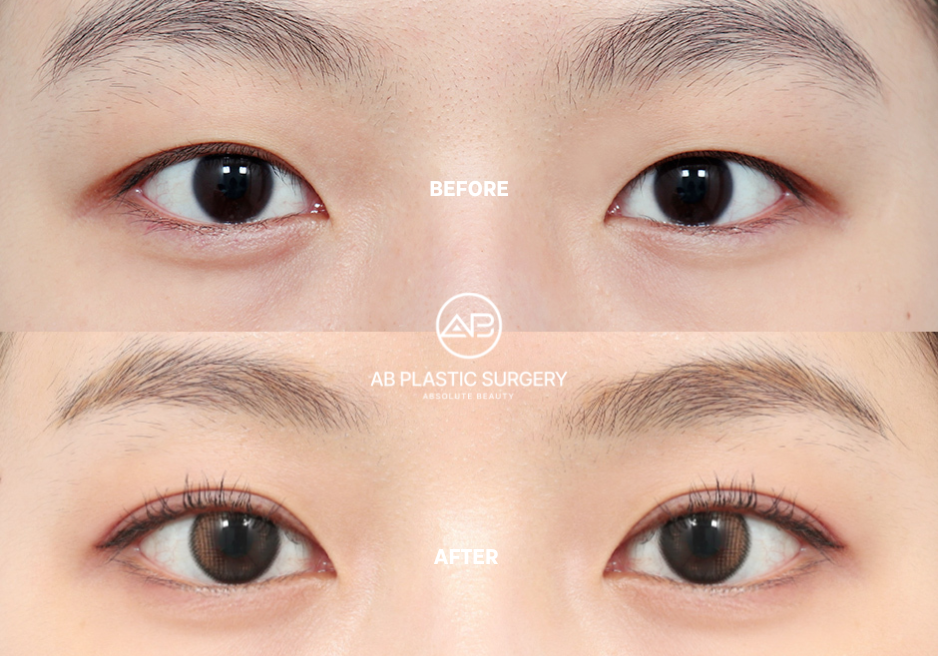
Beauty standards in Korea are constantly evolving, and larger, brighter eyes are currently considered attractive. Many people turn to double eyelid surgery to stay in tune with these changing trends. However, the procedure isn’t just about following fads—it’s also a form of self-care and self-expression. Just as people update their wardrobes or hairstyles, getting double eyelid surgery is a way to feel connected to modern beauty ideals.
Boosting Confidence and Mental Well-being
Double eyelid surgery is more than just a cosmetic change—it’s also a way to boost self-esteem. Many individuals choose the procedure to address long-held insecurities and feel more comfortable in their own skin. Surveys show that people who undergo double eyelid surgery often report increased confidence, especially in social and professional settings.
It’s also common for parents to gift double eyelid surgery to their children as a graduation present, helping them start new life chapters with greater confidence. Whether entering university or applying for jobs, these young adults see the surgery as a positive way to enhance their self-image.
A Competitive Edge in the Job Market
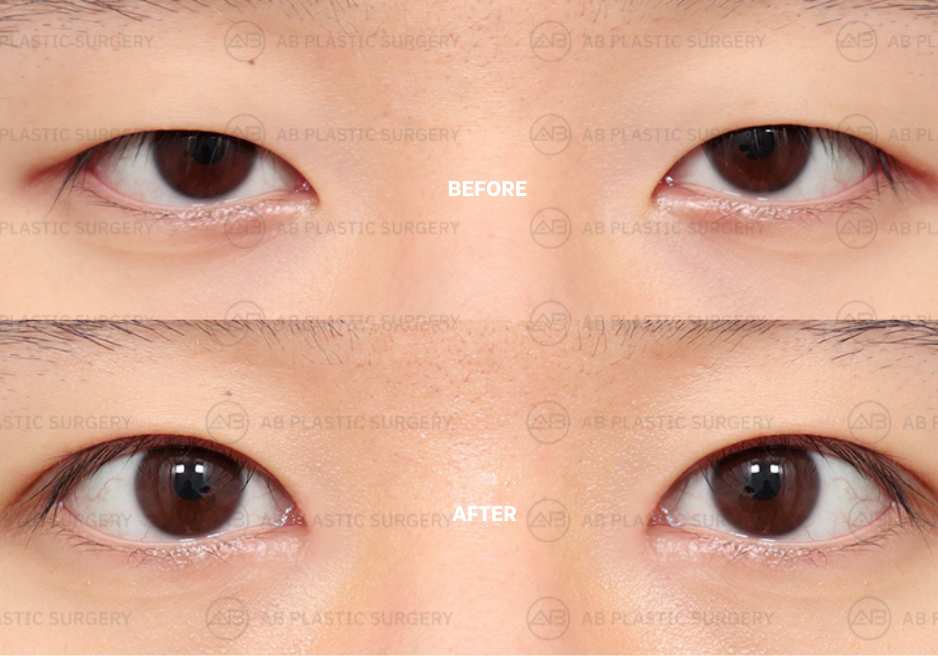
In Korea’s competitive job market, personal appearance can have a subtle impact on career prospects. Having more open and approachable eyes can give candidates an edge, particularly in industries that involve public interaction. As a result, many people get double eyelid surgery to improve their chances in job interviews and professional settings.
Since most patients are between 19 and 29 years old, double eyelid surgery is often part of their preparation for entering the workforce. Just like investing in professional skills or attire, the procedure is seen as a way to enhance one’s career prospects.
A Normalized Part of Life
Double eyelid surgery is widely accepted and normalized in South Korea. The procedure carries little stigma, with many viewing it as a common part of self-improvement. Friends and family openly discuss their surgeries, and parents often encourage their children to get double eyelid surgery to boost their confidence.
Because cosmetic surgery is so integrated into daily life, many young people approach it with the same mindset they’d have about getting braces or a haircut. This normalization makes the decision to undergo double eyelid surgery feel natural and uncontroversial.
More Than Just a Beauty Trend
Double eyelid surgery in Korea provides both practical advantages and emotional fulfillment. It allows individuals to enhance their facial expressions, boost self-confidence, and even gain a competitive edge in the workforce. Beyond aesthetics, the procedure simplifies makeup routines and helps people align with Korea’s evolving beauty standards and self-care culture.
For those in the USA and other English-speaking countries exploring the world of Korean plastic surgery, understanding these cultural motivations is key. Double eyelid surgery is more than just a cosmetic upgrade—it’s an investment in self-confidence, personal growth, and a fresh start.
If you’re curious about double eyelid surgery or other plastic surgery procedures in Korea, apply for a free online or in-person consultation with one of AB Plastic Surgery’s expert surgeons. Browse our website to learn more about how we can help you achieve your aesthetic goals through Korea’s leading plastic surgery techniques.
FAQ for International Patients
How much does double eyelid surgery cost in Korea?
The cost of double eyelid surgery in Korea depends on the surgical technique, the complexity of your eyelid structure, and whether additional procedures are required.
-
Non-incisional method: from $1,700
-
Incisional method: from $2,380
-
Ptosis correction included: from $2,930
Because each patient’s anatomy and aesthetic goals are different, the final cost is determined through a personalized consultation with a surgeon.
How long should I stay in Korea for double eyelid surgery?
Most international patients are advised to stay in Korea for about 7 to 10 days. This allows time for initial recovery, swelling reduction, and stitch removal if the incisional method is used. A short follow-up visit before departure is also recommended to ensure proper healing.
Is double eyelid surgery painful?
Double eyelid surgery is typically performed under local anesthesia with sedation, so patients do not feel pain during the procedure. After surgery, mild discomfort or tightness may occur, but this is usually manageable with prescribed medication and subsides within a few days.
Will there be visible scars after surgery?
In most cases, scars are minimal and become barely noticeable over time. For non-incisional methods, there is no visible external scar. For incisional surgery, the scar is placed along the natural eyelid crease, making it difficult to see once fully healed.
Can I combine double eyelid surgery with other procedures?
Yes, double eyelid surgery is often combined with procedures such as ptosis correction, epicanthoplasty, or eye fat repositioning. Combining procedures can improve both functional and aesthetic outcomes, depending on the patient’s eye structure.
When can I return to normal activities after surgery?
Most patients can return to light daily activities within a few days. However, it is recommended to avoid intense exercise, swimming, and heavy physical activity for at least 2 weeks to ensure proper healing.
Is double eyelid surgery in Korea safe for international patients?
Double eyelid surgery in Korea is widely performed with advanced surgical techniques and structured safety protocols. Choosing a clinic with experienced surgeons, proper consultation systems, and postoperative care is essential for ensuring a safe and successful outcome.
Learn More about AB Plastic Surgery Korea “International Patient Support"

This article is for informational purposes only and does not replace a personal medical consultation.