Title
The Most Beautiful Korean Noses: Celebrity Picks by Top SurgeonsDate
2024-10-04Views
44219Name
Instagram
AB Blog
Perfect Korean Noses: Celebrity Examples and How to Achieve Them
Table of Contents
1. Celebrity Noses That Define the Ideal Korean Nose
2. What Defines the Perfect Korean Nose?
3. Key Characteristics of the Perfect Korean Nose
4. How to Choose the Right Korean Nose Shape for Your Face
5. What Surgeons Say About Achieving the Perfect Korean Nose
When it comes to the Korean nose, beauty standards in South Korea have long influenced global trends. With sharp, defined nose shapes often considered the pinnacle of beauty, Korean celebrities have set the bar high. But what exactly makes a Korean nose so admired, and which stars have noses that top surgeons consider the best? Let’s dive into the world of celebrity beauty and find out who ranks as having the most beautiful Korean noses.
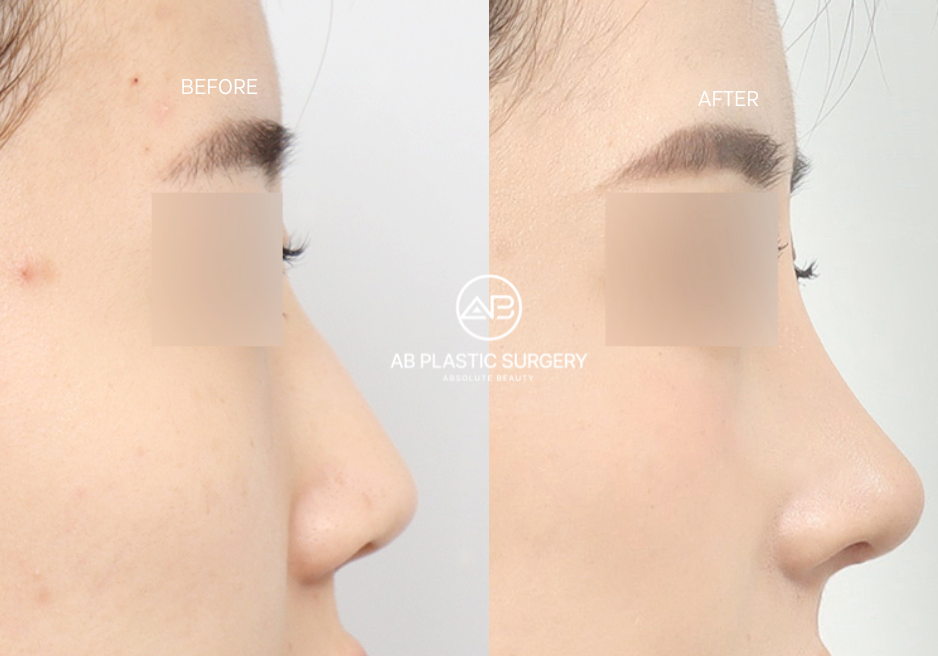
Celebrity Noses That Define the Ideal Korean Nose
Female Noses
-
Kim Tae-hee: Often referred to as one of the most beautiful women in Korea, Kim Tae-hee’s Korean nose is frequently highlighted by surgeons for its perfect proportions. Her nose is defined yet subtle, with a slight curve that adds softness to her face. It’s a classic example of the “natural but refined” look.
-
Irene (Red Velvet) : Known for her youthful and flawless visuals, Irene’s Korean nose is often admired by fans. Her nose has a straight, elegant bridge with a slightly rounded tip, making her face look delicate and balanced. She’s a favorite among those seeking a soft, feminine Korean nose.
-
Jang Won-young (IVE) : As one of the rising stars in K-pop, Jang Won-young’s Korean nose is loved for its youthful and harmonious look. Her nose enhances her overall facial structure without looking overdone. Many fans admire her fresh and natural appearance, which is increasingly becoming the modern standard of the ideal Korean nose.
Male Noses
-
BTS’s Jin: As a member of the global K-pop sensation BTS, Jin’s Korean nose has become iconic. His sharp yet smooth nasal bridge is a feature often requested by patients at clinics across Korea.
-
Cha Eun-woo (ASTRO): Known as the "face genius," Cha Eun-woo’s Korean nose is admired for its perfect balance between masculinity and softness. His high nasal bridge and defined nose tip give his face a sleek, handsome appearance. He’s a prime example of the modern Korean nose aesthetic that’s popular with younger generations.
-
Park Bo-gum: Park Bo-gum’s Korean nose is often noted for its naturally balanced shape. His slightly higher bridge and rounded tip create a refined yet approachable look. As one of Korea’s most popular actors, his nose is admired by both fans and surgeons alike for its subtle elegance.
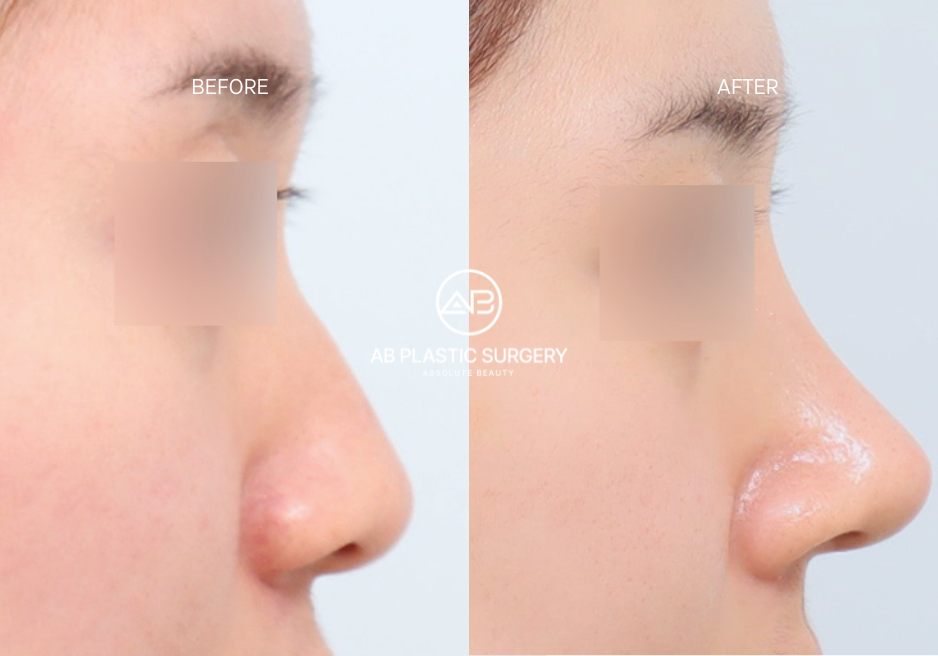
What Defines the Perfect Korean Nose?
The ideal Korean nose is often defined by its delicate proportions and harmony with the rest of the facial features. Achieving this aesthetic is not solely about the nose itself; it involves understanding how it integrates with the overall facial structure.
How Korean Nose Beauty Standards Apply to Different Face Types
While celebrity noses often define the ideal Korean nose, it’s important to understand that these features are not meant to be directly copied. Each individual has a unique facial structure, and the most attractive results come from achieving harmony rather than imitation.
For example, a high and sharply defined nasal bridge like that of Cha Eun-woo may suit individuals with strong facial contours and a well-projected chin. However, the same structure may appear overly prominent on someone with softer facial features or a smaller face.
Similarly, a soft and slightly curved nose like Kim Tae-hee’s works well for those seeking a natural and feminine appearance, especially when the overall facial proportions are balanced and delicate.
Face shape also plays a critical role in determining the most suitable nose design:
-
Round or soft face shapes often benefit from a slightly higher bridge to add definition and structure.
-
Long or narrow faces may require a more subtle bridge and refined tip to maintain balance.
-
Flat or low nasal bridges can be enhanced to create a more three-dimensional facial profile.
-
Wide nostrils or bulbous tips may be adjusted to achieve a more refined and proportionate look.
Ultimately, the goal of Korean rhinoplasty is not to replicate a celebrity’s nose, but to design a shape that complements your individual facial features. This is why personalized consultation and detailed facial analysis are essential steps in achieving natural and long-lasting results.
Key Characteristics of the Perfect Korean Nose
Balanced Features and Harmony
Each person has a unique face shape that contributes to their beauty, and the ideal Korean nose enhances these features rather than overshadowing them. A perfect Korean nose emphasizes balance with a straight, well-defined bridge that aligns beautifully with the forehead and chin, creating a harmonious and symmetrical appearance.
Natural Aesthetics
Natural beauty is central to Korean ideals. The nasal tip should be soft and refined, avoiding exaggerated shapes. This subtlety is crucial for achieving the graceful look associated with the perfect Korean nose.
Facial Volume Considerations
To achieve the best results, it’s essential to consider each individual’s face shape. Factors like forehead height, cheek fullness, and chin shape significantly affect how the nose appears, allowing for a cohesive and naturally beautiful profile.
Cultural Influence
K-pop and K-drama stars have popularized the allure of the Korean nose globally, establishing it as a sought-after beauty standard. Fans aspire to emulate their idols' refined and balanced looks, reflecting broader cultural ideals of beauty in Korea.
How to Choose the Right Korean Nose Shape for Your Face
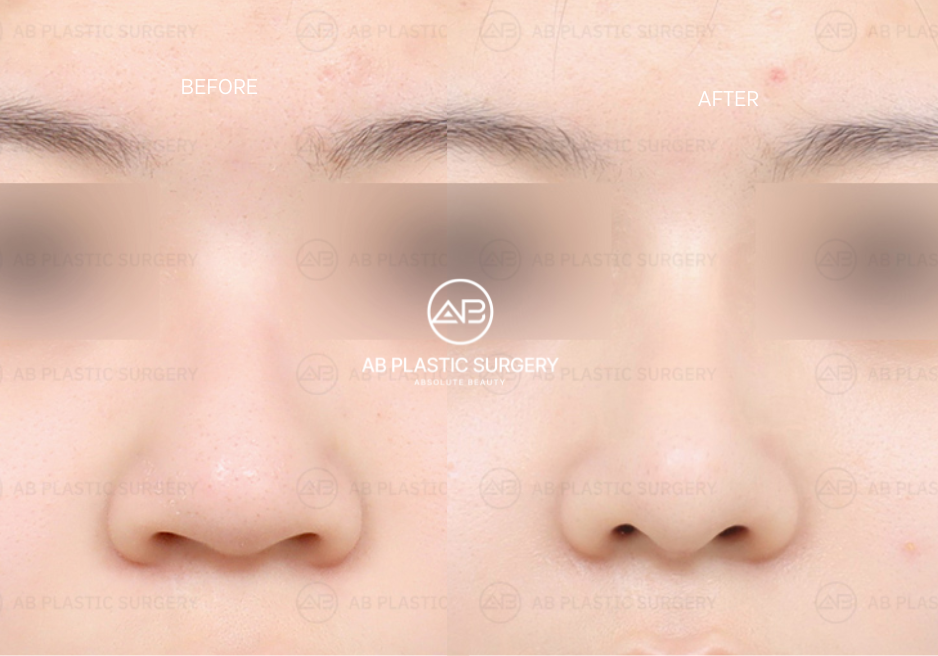
Understanding Korean nose beauty standards is only the first step. The next—and most important—step is determining which nose shape actually suits your unique facial structure. Rather than following trends or celebrity examples, the goal is to choose a nose design that enhances balance, proportion, and long-term harmony.
This section will help you understand the most common Korean nose types, who they are best suited for, and what to consider before making a decision.
Common Korean Nose Types and Their Characteristics
While each nose should be customized, many patients refer to common Korean nose styles inspired by celebrities. These serve as useful reference points when discussing your desired outcome during consultation.
-
Straight Nose (Irene, Jin)
A clean, straight nasal bridge with a refined tip. This is one of the most requested styles for its balanced and modern appearance. -
Soft Curved Nose (Kim Tae-hee)
A gentle curve from the bridge to the tip creates a softer, more feminine impression. Ideal for those seeking natural elegance. -
High Bridge Nose (Cha Eun-woo)
A higher and more defined nasal bridge that adds strong facial structure and dimension. Often preferred for sharper, more defined features. -
Rounded Tip Nose
A slightly fuller and softer nasal tip that creates a youthful and approachable look, often combined with subtle bridge enhancement.
These styles are not one-size-fits-all templates, but visual references that should be adapted based on your individual facial proportions.
Which Nose Shape Fits Different Facial Structures?
The most suitable nose shape depends on your existing nasal structure and overall facial balance. Instead of choosing a style first, it’s more effective to understand what your face needs.
-
Low nasal bridge → Bridge augmentation can create a more defined and three-dimensional profile.
-
Bulbous nose tip → Tip refinement helps achieve a more delicate and structured appearance.
-
Short nose → Lengthening techniques can improve proportion and facial balance.
-
Wide nostrils → Alar reduction can create a more refined and harmonious nose shape.
These adjustments are often combined rather than performed individually, depending on the patient’s anatomy and desired outcome.
What to Discuss During a Rhinoplasty Consultation
A successful rhinoplasty is not defined by the procedure itself, but by how well it is planned. Consultation is where the most important decisions are made.
During your consultation, several key factors should be carefully evaluated:
-
Facial proportions and balance – How the nose aligns with the forehead, lips, and chin
-
Skin thickness – Determines how refined or defined the final result can appear
-
Cartilage structure – Affects support, shape stability, and surgical approach
-
Functional concerns – Issues such as a deviated septum or breathing difficulty
-
Desired height and projection – Finding the balance between definition and natural appearance
The key is not choosing the highest or sharpest nose, but selecting a design that looks natural on your face over time.
This is why experienced surgeons focus on personalized analysis rather than fixed templates—ensuring that your results remain balanced, functional, and aesthetically consistent.
What Surgeons Say About Achieving the Perfect Korean Nose
Korean plastic surgeons emphasize that achieving the perfect Korean nose is not about selecting a specific procedure, but about choosing the right approach based on each individual’s facial structure, skin type, and aesthetic goals.
Rather than applying a standardized method, surgeons carefully evaluate whether non-surgical or surgical techniques are more suitable for achieving natural, balanced, and long-lasting results.
Non-Surgical Methods
Non-surgical nose enhancement techniques, like the Korean Nose Fit Lift (also known as the HIKO nose job) and nose fillers, are popular options in Korea for those seeking subtle changes without surgery. The Nose Fit Lift uses specialized threads to lift and define the nasal bridge and tip, enhancing the nose’s structure for a natural, refined look. Similarly, nose fillers adjust the nasal bridge, refine the tip, or smooth bumps to create a more symmetrical appearance. Both methods offer temporary improvements with minimal downtime, allowing patients to experiment before committing to permanent changes.
Non-surgical methods are typically suitable for patients seeking temporary improvements, subtle changes, or those who want to preview potential results before committing to surgery.
Korean Nose Surgery Cost in Korea (USD Guide)
The cost of Korean nose surgery varies depending on the surgical method, materials used, and the complexity of your nasal structure. Below is a general price overview based on commonly performed rhinoplasty procedures at AB Plastic Surgery Korea.
-
Rhinoplasty (nose bridge + tip): from $3,400
-
Revision rhinoplasty: from $4,080
-
Rib cartilage rhinoplasty: from $2,240
-
Alar reduction (nostril reduction): from $1,360
-
Non-surgical nose filler: from $150
All procedures are tailored to the individual, and final costs may differ depending on surgical planning, materials, and clinical findings during consultation.
Curious about your exact surgery cost? Get a personalized price estimate and treatment plan based on your facial structure and goals.
Surgical Methods
For individuals seeking a permanent solution, surgical options are available to achieve the desired Korean nose. The following are the primary types of rhinoplasty techniques offered in Korea:
-
Flat Nose Rhinoplasty: This procedure enhances the nasal bridge for individuals with a flat nose, adding height and definition for a more prominent profile.
-
Bulbous Nose Rhinoplasty: Designed for those with a bulbous tip, this technique reshapes it for a more elegant appearance, ensuring natural-looking results.
-
Hump Nose Rhinoplasty: This method reduces a dorsal hump on the nasal bridge, sculpting the nose to create a smoother, straighter profile that enhances symmetry.
-
Short Nose Rhinoplasty: Aims to elongate short noses, adjusting the structures for a balanced and proportionate appearance.
-
Alar Resection: Involves removing excess tissue from the nostrils to refine their shape, often combined with other techniques.
-
Implant-Free Rhinoplasty: This technique reshapes the nose using the patient's tissues, minimizing complications and providing a more natural look.
-
Functional Rhinoplasty : Addresses structural issues like a deviated septum, improving both nasal function and appearance.
Surgical methods are recommended for patients who require structural changes, long-term results, or correction of functional issues such as breathing problems.

The Korean nose has become a global beauty standard, largely influenced by stunning K-pop stars and actors like Kim Tae-hee, Song Hye-kyo, Jin, and Park Seo-joon. Celebrated for their perfect symmetry and balance, these icons embody the elegance associated with the Korean nose.
If you're considering rhinoplasty or want to learn more, apply for a free consultation with the expert surgeons at AB Plastic Surgery, where beauty innovation thrives.
Visit our website to explore authentic before-and-after photos and glowing client reviews.
Learn More about AB Plastic Surgery Korea “International Patient Support"


This article is for informational purposes only and does not replace a personal medical consultation.