



Facial Contouring
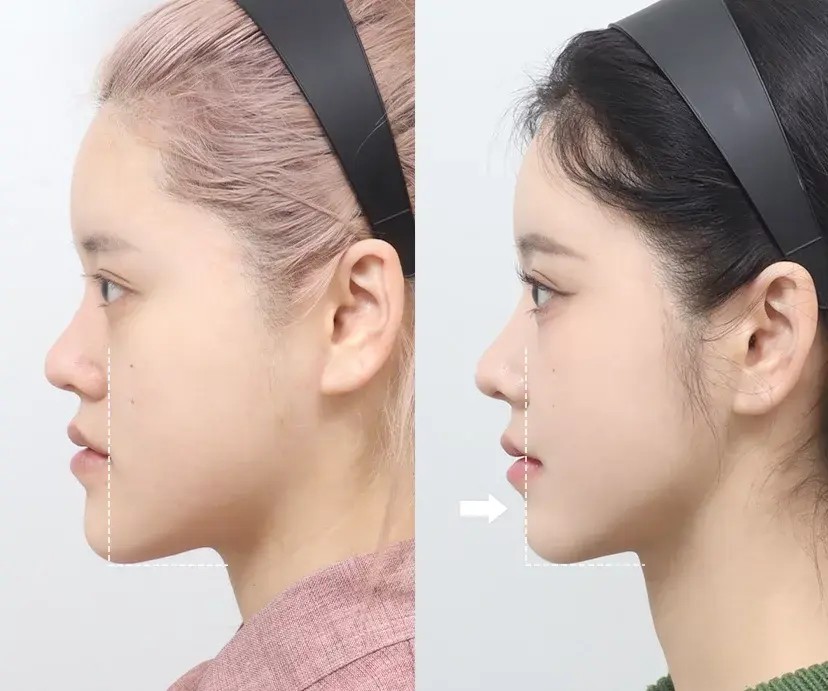
Orthognathic surgery is a highly advanced corrective procedure that involves osteotomy of both the upper and lower jaws, followed by repositioning and fixation.
It addresses both functional and aesthetic concerns, including severe protruding jaw and facial asymmetry that are difficult to correct with orthodontic treatment alone.
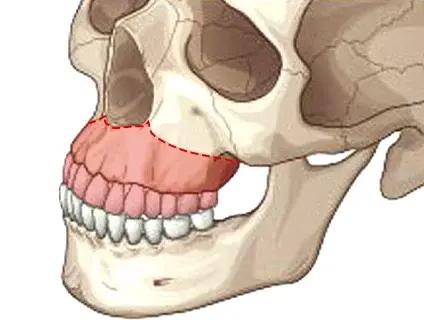
A procedure that involves cutting and
repositioning the upper jawbone

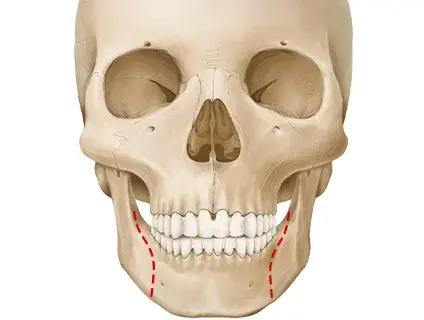
A procedure that involves cutting and
repositioning the lower jawbone
Orthognathic surgery is not simply a procedure to correct dental occlusion.
By correcting the underlying facial skeletal structure, it creates a balanced facial profile with improved harmony between the upper and lower jaws.
Through customized surgery that takes each patient’s individual skeletal structure into consideration, it aims to improve both function and overall facial balance.
Improves protrusion around the mouth for a more refined facial appearance
Improves left to right facial imbalance for a more harmonious facial shape
Reduces excessive midface length for more balanced facial proportions
Improves excessive lower facial length for more balanced facial proportions
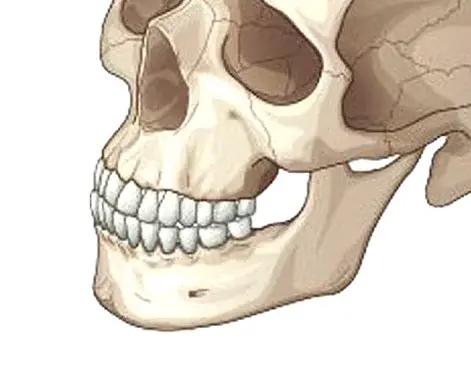
The patient's facial shape, dental occlusion, and jaw position are carefully analyzed to plan the direction and extent of movement of the upper and lower jaws.
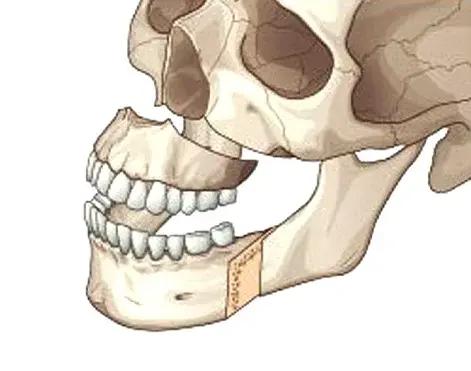
The upper and lower jaws are cut while taking into consideration the planned amount of movement, facial skeletal structure, and nerves.
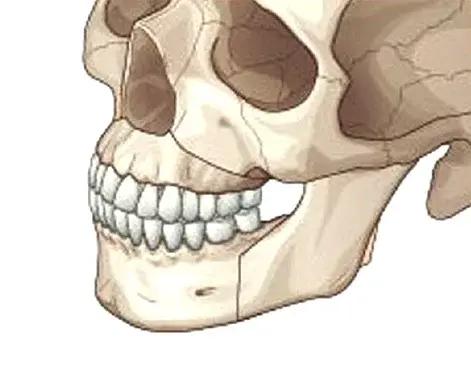
The osteotomized upper and lower jaws are repositioned according to the surgical plan. When necessary, facial contouring surgery may also be performed to improve facial asymmetry and overall facial shape.
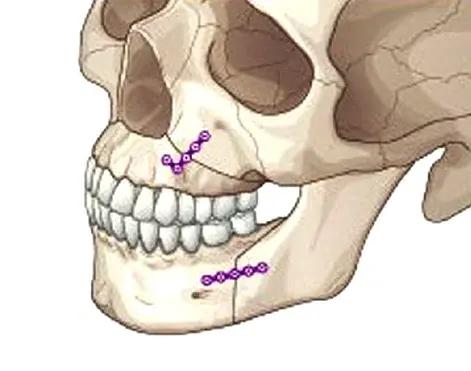
The repositioned jawbones are securely stabilized using fixation devices.
The patient's facial shape, dental occlusion, and jaw position are carefully analyzed to plan the direction and extent of movement of the upper and lower jaws.
The upper and lower jaws are cut while taking into consideration the planned amount of movement, facial skeletal structure, and nerves.
The osteotomized upper and lower jaws are repositioned according to the surgical plan. When necessary, facial contouring surgery may also be performed to improve facial asymmetry and overall facial shape.
The repositioned jawbones are securely stabilized using fixation devices.
This procedure involves cutting the maxilla, repositioning it to the appropriate location, and securing it in place. The maxilla can be moved not only forward and backward but also vertically and from side to side. Depending on the patient’s facial structure, the maxilla may also be rotated to improve facial proportions.
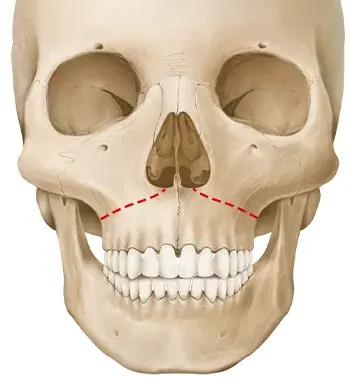
The maxilla above the teeth is horizontally osteotomized and repositioned by moving it forward, backward, or vertically
This procedure involves cutting the mandible, moving it backward or forward, and securing it in the appropriate position. It is mainly performed in cases of a protruding lower jaw, retruded chin, or facial asymmetry to correct dental occlusion and improve the jawline.
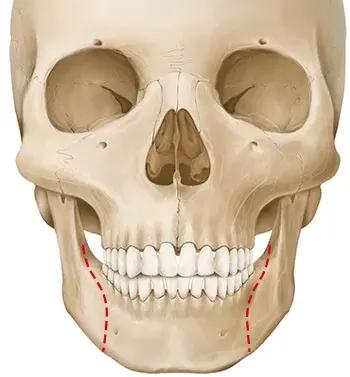
The posterior portion of the mandible is divided into two overlapping segments and then secured using screws
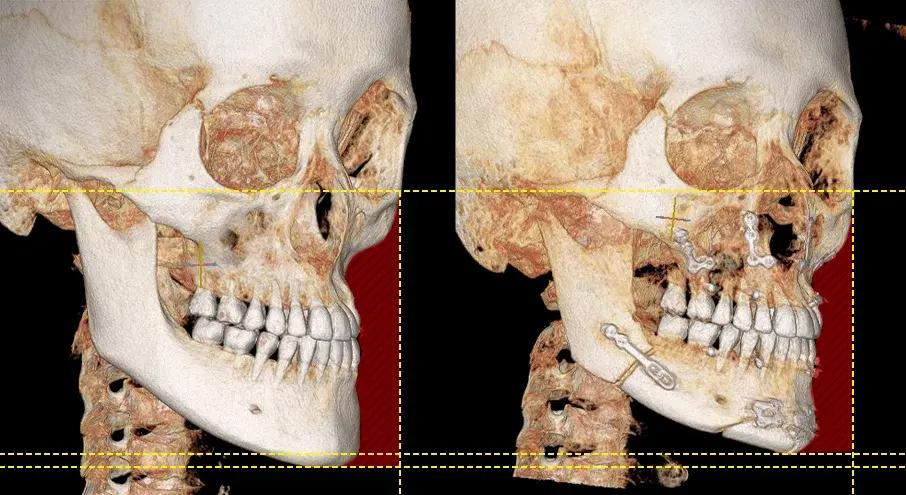
[Facial Asymmetry · Upper and Lower Jaw Balance]Adjustment of the upper and lower jaw positions improves left to right facial asymmetry and creates harmonious facial balance.
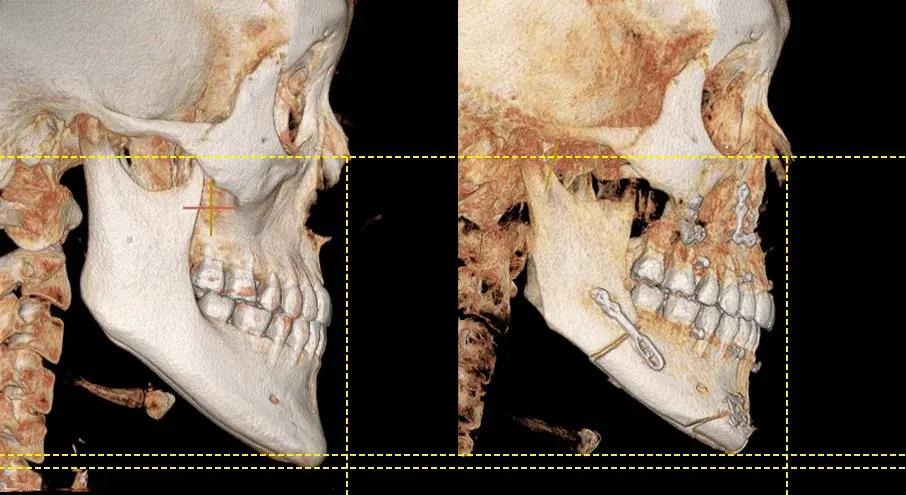
[Long Lower Face · Improved Facial Proportions]Reduction of excessive lower facial length and improvement of the jaw position create more balanced facial proportions.
Depending on the patient’s facial shape and desired outcome, orthognathic surgery may be performed
together with facial contouring surgery when necessary.
Various surgical approaches are selected according to each patient’s facial structure and preferences to address
both aesthetic and functional concerns.
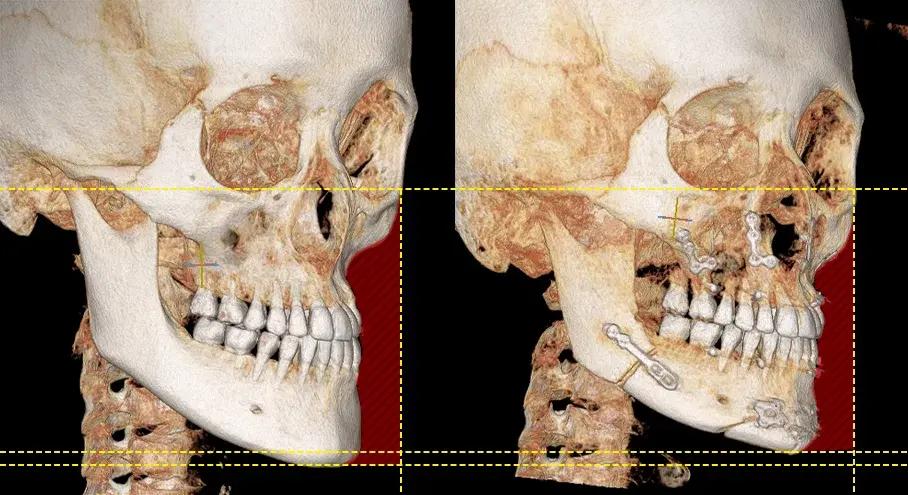
The overall face appears long and wide due to a long jaw and protruding lower jaw A case requiring both orthognathic surgery and facial contouring surgery to improve dental occlusion and facial shape
Orthognathic Surgery + Facial Contouring Surgery

BEFORE
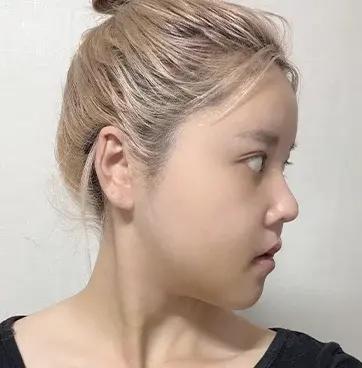
AFTER 12D
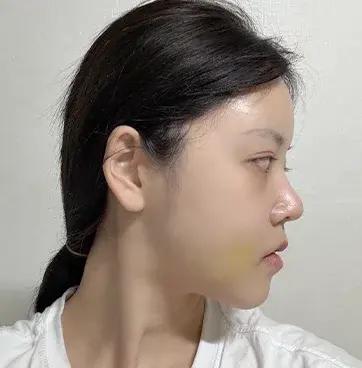
AFTER 14D
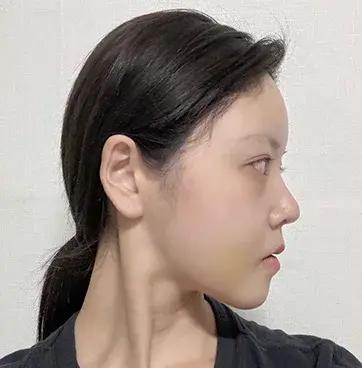
AFTER 4W

AFTER 3M
BEFORE
AFTER 12D
AFTER 14D
AFTER 4W
AFTER 3M
When necessary, orthognathic surgery and facial contouring surgery can be performed together to correct the position and occlusion of the jaws while naturally improving overall facial balance and contours. In addition to improving functional concerns, this approach can create a more defined and balanced facial contour from the frontal view.
Why Choose AB for Orthognathic Surgery?
Dental occlusion is important, but it is not the only consideration. We design a more natural and harmonious facial shape by considering both functional improvement and aesthetic balance.Dental occlusion is important, but it is not the only consideration. We design a more natural and harmonious facial shape by considering both functional improvement and aesthetic balance.
Orthognathic Surgery
Functional + Occlusal Improvement
 Improvement of dental occlusion and jaw
positionImprovement of protruding lower jaw,
retruded chin, and facial asymmetrySimultaneous improvement of facial
balance and dental occlusion
Improvement of dental occlusion and jaw
positionImprovement of protruding lower jaw,
retruded chin, and facial asymmetrySimultaneous improvement of facial
balance and dental occlusion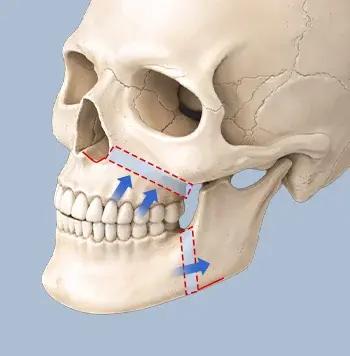
Facial Contouring Surgery
Facial Contour Improvement
Improvement of angular and wide facial
contoursImprovement of square jaw, cheekbones,
and chin lineCreation of a smoother facial contour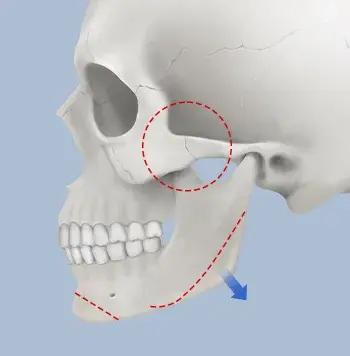
* Depending on the patient’s individual condition, orthognathic surgery and facial contouring surgery may need to be performed together.
A detailed 3D CT analysis is performed to thoroughly assess the skeletal structure and dental occlusion. A precise surgical plan is established by taking into consideration the areas where facial balance and function need improvement.A detailed 3D CT analysis is performed to thoroughly assess the skeletal structure and dental occlusion. A precise surgical plan is established by taking into consideration the areas where facial balance and function need improvement.
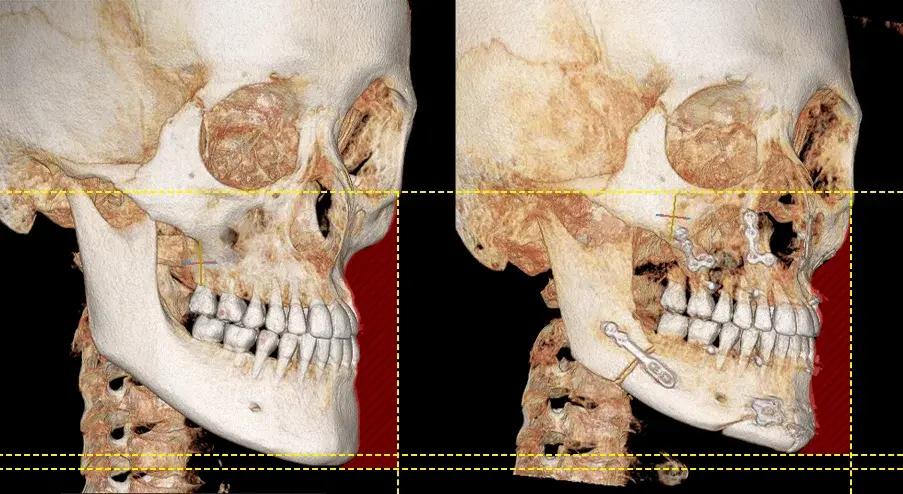
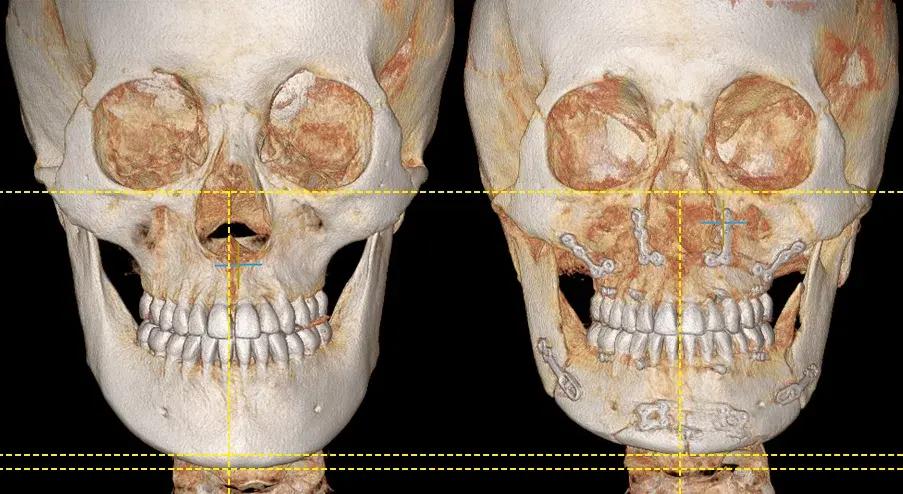
Light band fixation is applied for approximately one month. This minimizes interference with dental occlusion and allows greater freedom of jaw movement, helping patients eat and speak more comfortably.Light band fixation is applied for approximately one month. This minimizes interference with dental occlusion and allows greater freedom of jaw movement, helping patients eat and speak more comfortably.
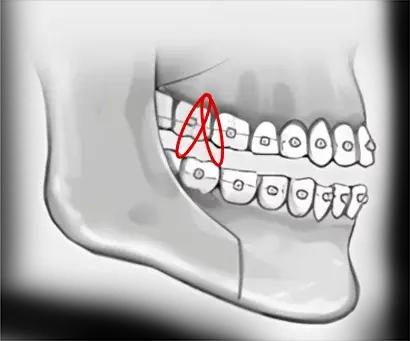
While maintaining the stability of rigid fixation
and providing greater convenience,
the jaw is secured through minimal fixation using
orthodontic elastics.
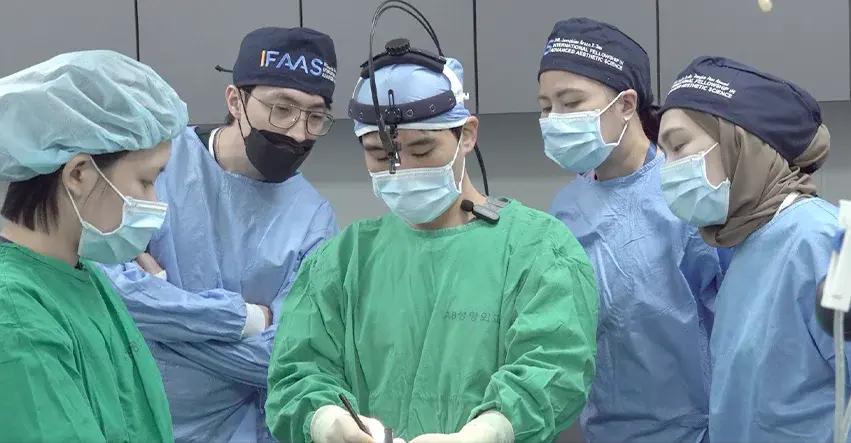
Through IFAAS conferences, AB shares its advanced surgical techniques by conducting live facial contouring surgery demonstrations and educational programs for medical professionals from Korea and abroad.Through IFAAS conferences, AB shares its advanced surgical techniques by conducting live facial contouring surgery demonstrations and educational programs for medical professionals from Korea and abroad.
* Live Facial Contouring Surgery Demonstration at the IFAAS Conference
Through collaboration with tertiary medical institutions in Korea, AB has established a professional medical care system for mutual patient referrals.Through collaboration with tertiary medical institutions in Korea, AB has established a professional medical care system for mutual patient referrals.

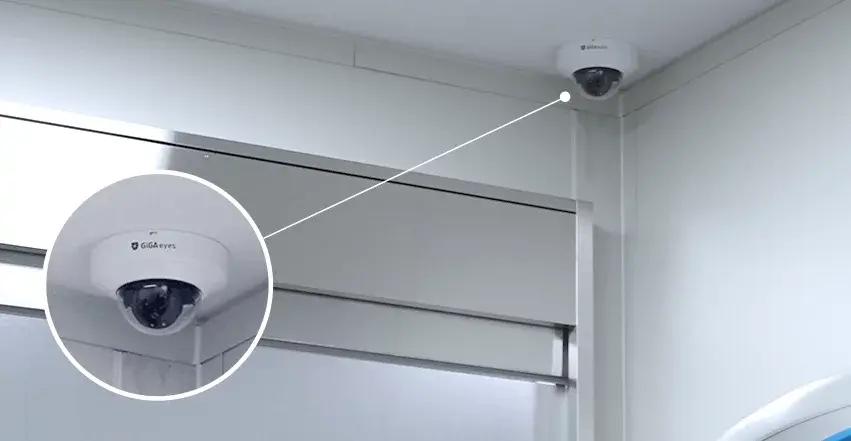
CCTV cameras are installed in all operating rooms to provide a transparent surgical environment where patients can undergo surgery with greater peace of mind.CCTV cameras are installed in all operating rooms to provide a transparent surgical environment where patients can undergo surgery with greater peace of mind.
A safety system with approximately twice the industry average number of anesthesiologists on site. With a one to one anesthesia system, in which one dedicated anesthesiologist is assigned to each patient, and a 24 hour emergency call system, AB is thoroughly prepared to respond to emergency situations.A safety system with approximately twice the industry average number of anesthesiologists on site. With a one to one anesthesia system, in which one dedicated anesthesiologist is assigned to each patient, and a 24 hour emergency call system, AB is thoroughly prepared to respond to emergency situations.
47.1%
Ratio of anesthesiologists on site relative to the number of surgeonsRatio of anesthesiologists on site relative to the number of surgeons
24 Hours
24 hour emergency call system for emergency response24 hour emergency call system for emergency response
* Internal statistics, AB Plastic Surgery (February 2025)
AB provides a stable treatment environment and medical care system through a safety focused medical system that meets rigorous standards.AB provides a stable treatment environment and medical care system through a safety focused medical system that meets rigorous standards.
Designated by the Ministry of Health and Welfare [Registered Medical Institution for International Patients]Designated by the Ministry of Health and Welfare [Registered Medical Institution for International Patients]


INFORMATION SURGERY
Surgery Duration
3 to 5 hours
Anesthesia
General anesthesia
Number of clinic visits
4-6 visits
Recovery Period
2 weeks (individual results may vary)
RECOMMENDED FOR
Patients with an open bite in which the upper and lower front teeth do not meet properly
Patients with a protruding lower jaw
Patients whose upper and lower jaws are both protruded
Patients whose upper and lower teeth do not align properly
Patients with impaired chewing function due to malocclusion
Patients with facial asymmetry caused by uneven growth of the left and right jawbones


Orthognathic Surgery / Facial Contouring 2 Types [Square Jaw + Genioplasty]
Facial Contouring
Eye Surgery, Facial Contouring

Facial Contouring
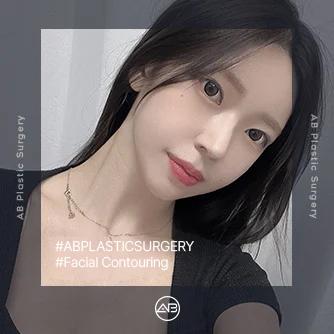
Facial Contouring

Rhinoplasty, Facial Contouring

Rhinoplasty, Facial Contouring
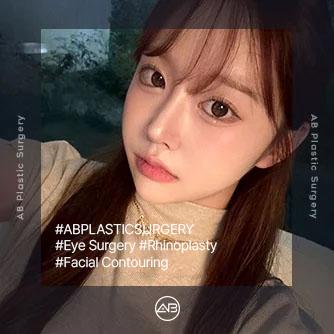
Eye Surgery, Rhinoplasty, Facial Contouring

Eye Surgery, Rhinoplasty, Facial Contouring

Facial Contouring

Rhinoplasty, Facial Contouring

Eye Surgery, Rhinoplasty, Facial Contouring

Facial Contouring
Although plastic surgery is performed for beauty, AB always places safety first so that everyone who chooses AB can become beautifully and healthily transformed.
Check our systematic safety system
01
Pre Surgery Safety Examination
An on site clinical pathologist conducts comprehensive preoperative health examinations

02
Safe Anesthesia System
Board certified anesthesiologists remain on site to monitor the entire surgical process from before surgery through the operation
03
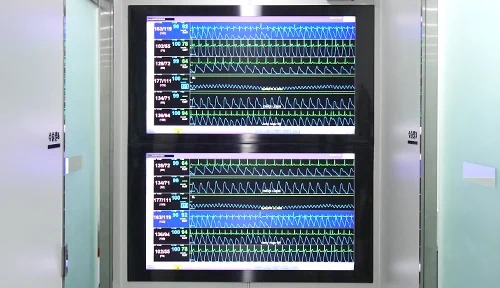
Real Time Monitoring
Patient conditions during surgery and recovery are monitored in real time through a central monitoring system
04
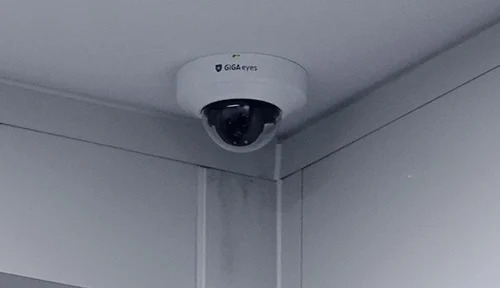
Operating Room CCTV System
CCTV is installed in all operating rooms to ensure transparency and allow rapid response in emergencies
05
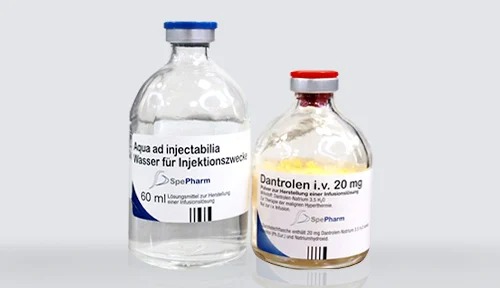
Dantrolene Availability
Emergency response equipment including dantrolene, a treatment for malignant hyperthermia, is fully prepared
06
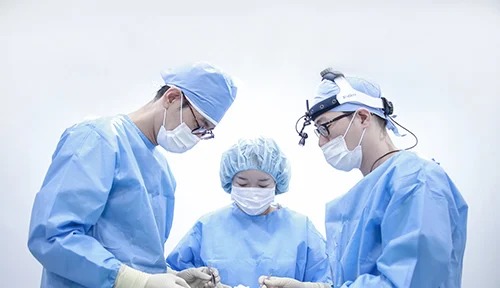
Surgery Real Name Policy
The assigned surgeon takes full responsibility from consultation to surgery and postoperative care
07
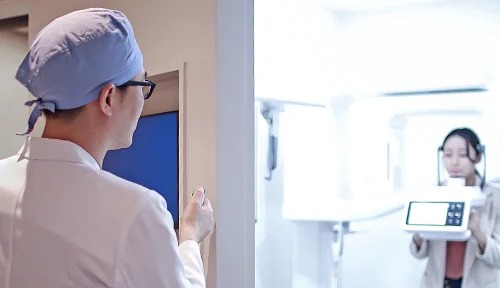
Accurate Diagnosis for Safety
Precise identification of problems and areas for improvement helps create safer surgery and higher patient satisfaction
*The collagen jelly contents may vary depending on the circumstances.
08
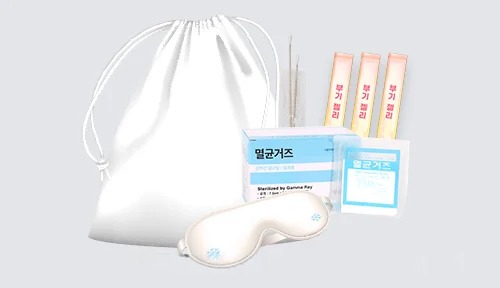
Postoperative Care Kit Provided
A postoperative care kit and continuous self care management support faster recovery after surgery

Naturally refined nose bridge + Elegant nose tip = NaturGlow Nose

Natural yet defined masculine facial aesthetics

Safe and beautiful results from beginning to end

NaturGlow eyes designed to best suit each individual face

Detailed customization from height and body type to chest dimensions

Anti aging surgery designed for natural and elegant aging
Naturally refined nose bridge + Elegant nose tip = NaturGlow Nose
Natural yet defined masculine facial aesthetics
Safe and beautiful results from beginning to end
NaturGlow eyes designed to best suit each individual face
Detailed customization from height and body type to chest dimensions
Anti aging surgery designed for natural and elegant aging
Naturally refined nose bridge + Elegant nose tip = NaturGlow Nose
Natural yet defined masculine facial aesthetics
Safe and beautiful results from beginning to end
NaturGlow eyes designed to best suit each individual face
Detailed customization from height and body type to chest dimensions
Anti aging surgery designed for natural and elegant aging
Please note that the actual medical schedule may vary depending on each patient's individual condition,
such as health status, and the specific surgical procedures involved.
Tailored to meet individual needs,
our service ensures that your medical tourism journey is planned
with the utmost care and precision, considering your unique medical requirements
Date of surgery
Eye Surgery
Nose Surgery
Fatgraft
Lifting
Accu
Breast Surgery
Body Shaping
liposuction
Lip
Facial Contouring
Skincare
Stem Cells
| SUN | MON | TUE | WEN | THU | FRI | SAT |