Title
Are There Effective Treatments for Skin Laxity? Medical Options ExplainedDate
2026-01-21Views
3825
AB Blog
Are There Effective Treatments for Skin Laxity?
Table of Contents
1. What Is Skin Laxity and Why Does It Occur?
2. Main Causes of Skin Laxity
3. How the Severity of Skin Laxity Is Evaluated
4. Non-Surgical and Minimally Invasive Treatments for Skin Laxity
5. Surgical Treatment Options for Advanced Skin Laxity
6. Choosing the Right Treatment Approach for Skin Laxity
7. Frequently Asked Questions About Skin Laxity
8. Final Considerations Before Treating Skin Laxity
Skin laxity refers to the gradual loss of firmness and elasticity in the skin, resulting in sagging, looseness, and changes in facial or body contours. It is one of the most common concerns associated with aging, but it can also be influenced by factors such as sun exposure, weight fluctuations, and individual skin characteristics. As awareness of aesthetic aging has increased, many individuals seek effective ways to address skin laxity while maintaining natural-looking results.
The treatment of skin laxity is not based on a single solution. Instead, it requires an understanding of the underlying causes, the degree of tissue looseness, and the specific area affected. Options range from non-surgical and minimally invasive treatments to surgical correction in cases of advanced laxity. Each approach differs in mechanism, durability, and suitability, depending on the patient’s condition.
At AB Plastic Surgery Korea, skin laxity is evaluated through medical assessment rather than age or appearance alone. Board-certified surgeons provide individualized treatment planning based on skin quality, structural changes, and long-term outcome stability, helping patients make informed decisions about appropriate treatment options.

What Is Skin Laxity and Why Does It Occur?
Skin laxity refers to the condition in which the skin gradually loses its firmness and elasticity, leading to visible sagging and looseness. This occurs when the structural proteins responsible for skin support—primarily collagen and elastin—decline over time. As these fibers weaken, the skin becomes less able to maintain its original shape against gravity.
Unlike fine lines or surface wrinkles, skin laxity is a structural aging change. It affects not only the outer skin layer but also the deeper supportive tissues that help maintain facial and body contours. For this reason, treatments aimed solely at the skin surface may have limited effectiveness when laxity is the primary concern.
Skin Laxity vs Wrinkles and Volume Loss
Skin aging presents in several distinct ways, and understanding these differences is essential when considering treatment options. Wrinkles are primarily related to repetitive facial movement and surface skin thinning, while volume loss occurs when fat pads or underlying tissue diminish with age.
Skin laxity, however, develops when the supportive framework of the skin weakens. It is characterized by downward tissue movement rather than surface creasing. This distinction explains why volumizing treatments or topical skincare alone may not adequately address sagging in moderate to advanced cases.
Why Skin Laxity Is Considered a Progressive Condition
Skin laxity tends to progress gradually rather than appearing suddenly. Early signs may include subtle softness along the jawline, mild drooping around the eyes, or reduced skin resilience. Over time, these changes can become more pronounced, particularly in areas where the skin is thinner or exposed to repeated movement.
Because skin laxity progresses over years, treatment planning often focuses on both correction and long-term stability. Identifying the stage of laxity early allows for more appropriate and conservative treatment selection, while advanced laxity may require more comprehensive intervention.
At AB Plastic Surgery Korea, skin laxity is evaluated as part of an overall structural aging assessment, rather than as an isolated cosmetic concern. This approach helps ensure that treatment recommendations align with the underlying cause and expected longevity of results.
Main Causes of Skin Laxity
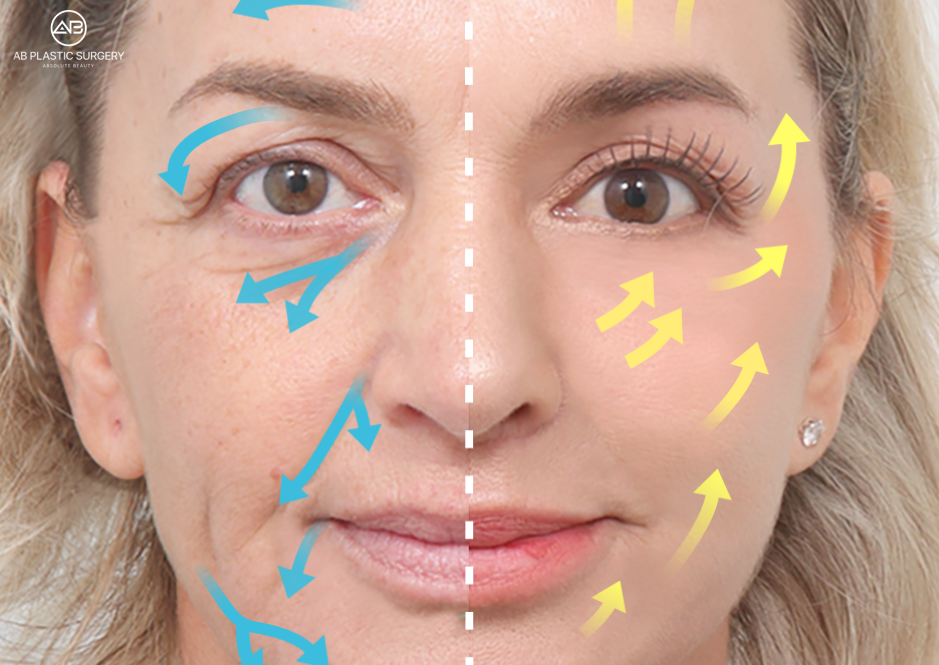
Skin laxity develops through a combination of intrinsic and extrinsic factors that gradually weaken the skin’s supportive structure. While aging is the most significant contributor, several additional elements influence how quickly and severely skin laxity appears. Understanding these causes is essential for selecting appropriate treatment strategies.
Aging and Collagen–Elastin Reduction
The primary cause of skin laxity is the natural aging process. As the body ages, collagen and elastin production steadily declines, and existing fibers become fragmented and less organized. This reduces the skin’s ability to resist gravity and return to its original position after movement.
This structural weakening occurs at different rates among individuals, depending on genetic factors and overall skin quality. As a result, some individuals may experience noticeable skin laxity earlier than others, even at similar ages.
Ultraviolet Exposure and Environmental Damage
Chronic exposure to ultraviolet (UV) radiation accelerates the breakdown of collagen and elastin fibers, a process commonly referred to as photoaging. UV damage affects deeper layers of the skin, contributing not only to pigmentation changes and wrinkles but also to progressive skin laxity.
Environmental factors such as pollution and oxidative stress can further compromise skin structure over time. These external influences often explain why skin laxity may appear more pronounced in sun-exposed areas, including the face, neck, and hands.
Weight Fluctuations and Skin Stretching
Significant weight gain and subsequent weight loss can overstretch the skin beyond its ability to fully retract. When this occurs repeatedly or over an extended period, the skin’s elastic fibers may not recover, resulting in persistent looseness.
This mechanism is commonly associated with skin laxity in the abdomen, arms, thighs, and lower face. In such cases, non-surgical treatments may have limited effectiveness depending on the degree of tissue stretching.
Genetic and Skin-Type Factors
Genetics play a meaningful role in determining skin thickness, elasticity, and aging patterns. Individuals with thinner skin or lower baseline collagen density may be more prone to developing skin laxity earlier in life.
Skin type also influences how the skin responds to aging and environmental stressors. These inherent characteristics help explain why treatment response and longevity can vary significantly between individuals, even when similar procedures are performed.
At AB Plastic Surgery Korea, these contributing factors are evaluated collectively during consultation. By identifying the primary causes of skin laxity in each patient, treatment planning can be tailored to address the underlying mechanism rather than focusing solely on surface appearance.
How the Severity of Skin Laxity Is Evaluated
Evaluating the severity of skin laxity is a critical step in determining which treatment approach may be appropriate. Rather than relying on age alone, clinicians assess skin laxity based on tissue firmness, elasticity, degree of sagging, and how the skin responds to movement and gravity.
The severity of skin laxity directly influences treatment effectiveness, as non-surgical methods are typically suited for early-stage changes, while advanced laxity often requires more structural correction.
Mild Skin Laxity
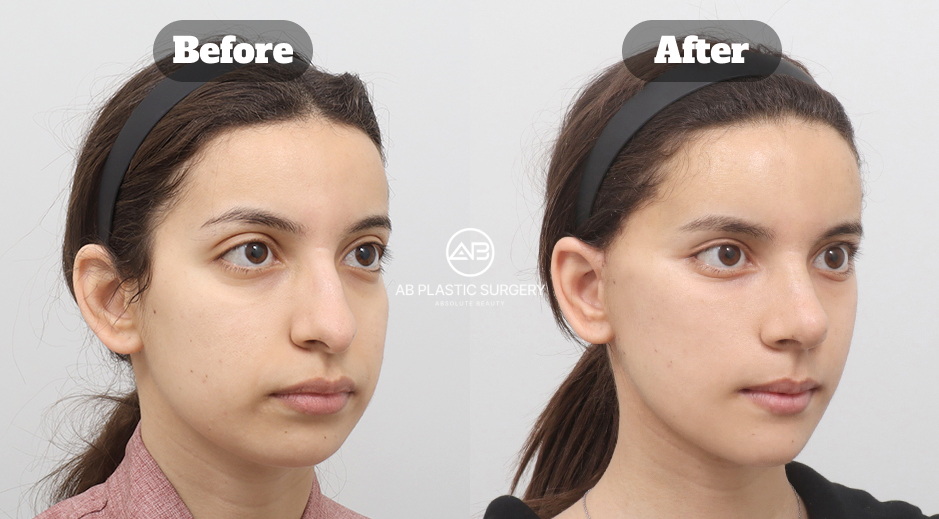
Mild skin laxity is characterized by subtle looseness without significant sagging. The skin may appear slightly less firm, particularly during facial movement, but overall contours remain largely intact.
At this stage, skin elasticity is partially preserved, and early intervention may help slow progression. Non-surgical skin tightening treatments are often considered when structural support remains relatively stable.
Moderate Skin Laxity
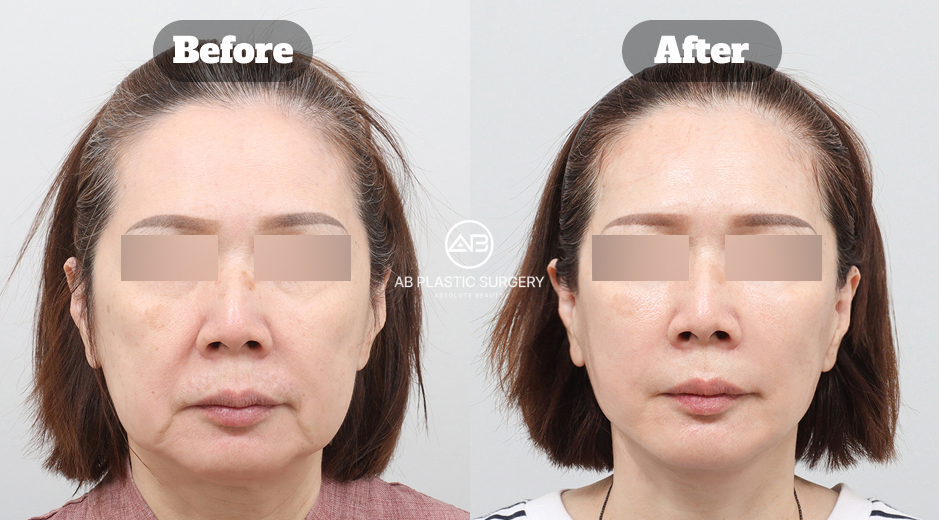
Moderate skin laxity involves more noticeable sagging, often affecting areas such as the jawline, midface, neck, or upper arms. The skin shows reduced recoil, and contour changes become visible even at rest.
In these cases, treatments that provide both stimulation and mechanical support may be required. Minimally invasive options or combination approaches are often evaluated based on tissue condition and patient goals.
Severe Skin Laxity
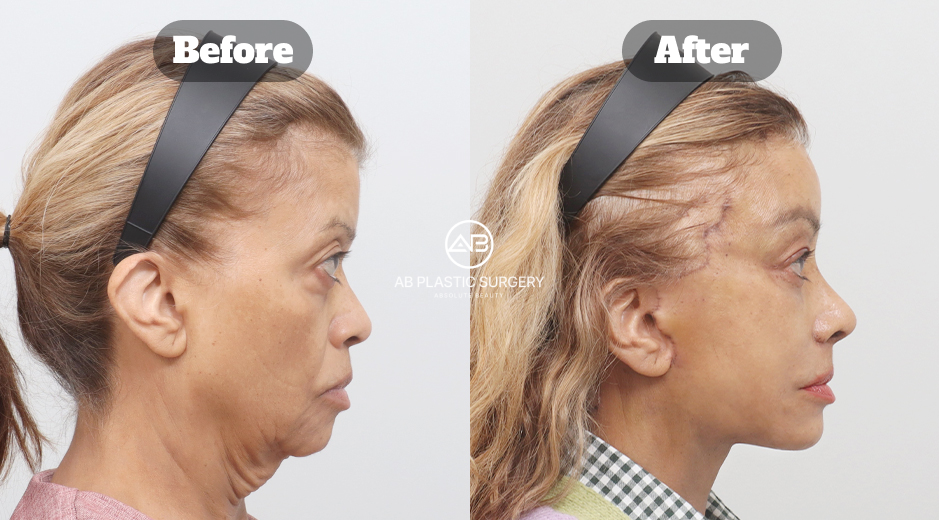
Severe skin laxity is marked by pronounced sagging and excess skin that no longer responds adequately to non-surgical treatments. This level of laxity commonly occurs in advanced facial aging or after significant weight loss.
When skin redundancy and structural weakening are significant, surgical correction may be necessary to achieve meaningful and stable improvement. At this stage, surface-level treatments alone are typically insufficient.
At AB Plastic Surgery Korea, severity assessment is performed through comprehensive consultation and physical evaluation. By accurately identifying the degree of skin laxity, treatment recommendations can be aligned with realistic expectations and long-term outcome stability.
Non-Surgical and Minimally Invasive Treatments for Skin Laxity
Non-surgical and minimally invasive treatments are commonly considered for individuals with mild to moderate skin laxity. These approaches aim to improve skin firmness and contour by stimulating tissue response or providing limited structural support, without the need for surgical incisions.
It is important to note that these treatments do not remove excess skin. Instead, they are designed to enhance skin quality, encourage collagen remodeling, or temporarily reinforce tissue positioning. As a result, patient selection and realistic expectations play a key role in treatment satisfaction.
Energy-Based Skin Tightening Treatments
Energy-based treatments, including radiofrequency and ultrasound-based technologies, are frequently used to address early skin laxity. These methods deliver controlled energy to deeper skin layers, promoting collagen contraction and gradual remodeling over time.
Such treatments may improve skin firmness and texture, particularly in areas with mild looseness. However, their lifting effect is limited when structural sagging is already present, making them less suitable for advanced laxity.
Injectable and Regenerative Approaches
Injectable and regenerative treatments are primarily used to support skin quality rather than provide mechanical lifting. These approaches may enhance hydration, elasticity, and overall skin condition, contributing to a firmer appearance.
While these treatments can complement other modalities, they are not intended to correct significant tissue descent. Their role is often adjunctive, particularly in comprehensive anti-aging strategies.
Thread Lifting for Moderate Skin Laxity
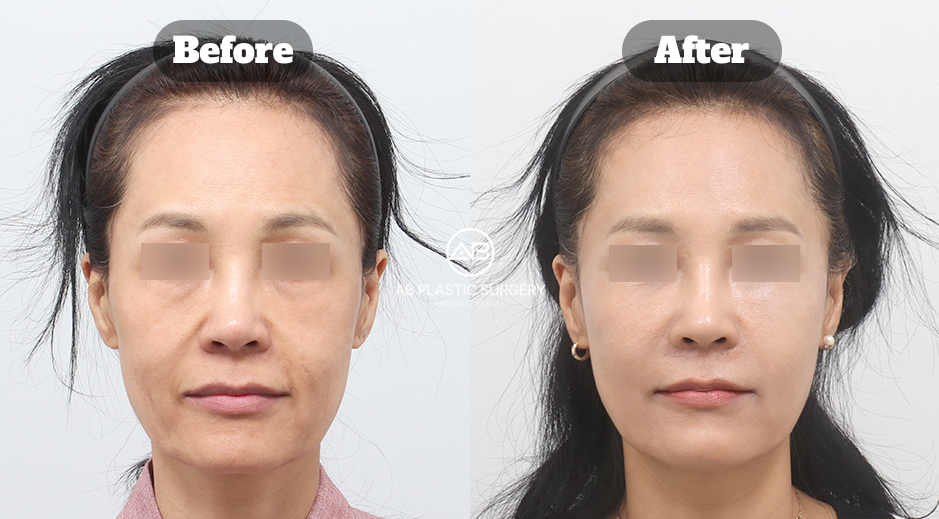
Thread lifting is a minimally invasive option that provides temporary mechanical support to reposition mildly to moderately sagging tissue. Absorbable threads are placed beneath the skin to create lifting tension while also stimulating localized collagen response.
This approach may be appropriate for selected patients with moderate laxity who are not candidates for surgery. However, the longevity and degree of correction are limited compared to surgical lifting, and outcomes depend heavily on skin condition and anatomical factors.
At AB Plastic Surgery Korea, non-surgical and minimally invasive treatments are recommended only after careful assessment of skin laxity severity and tissue characteristics. This ensures that treatment selection aligns with achievable outcomes and long-term stability rather than short-term surface improvement.
Surgical Treatment Options for Advanced Skin Laxity
When laxity progresses beyond what collagen stimulation or temporary support can address, surgical correction may be considered for more structural improvement.
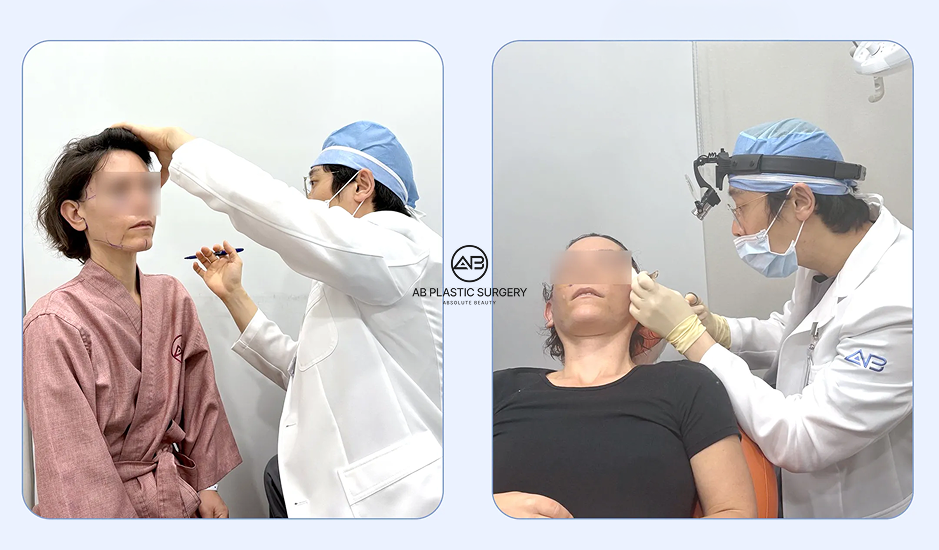
Surgical treatment is generally considered when skin laxity becomes advanced and no longer responds adequately to non-surgical or minimally invasive approaches. In these cases, excess skin and weakened supportive structures require direct correction to achieve meaningful and lasting improvement.
Surgical procedures address skin laxity at a structural level, allowing for repositioning of underlying tissues and removal of redundant skin. This approach provides a degree of correction that non-surgical methods cannot replicate.
Facial and Neck Lifting Procedures
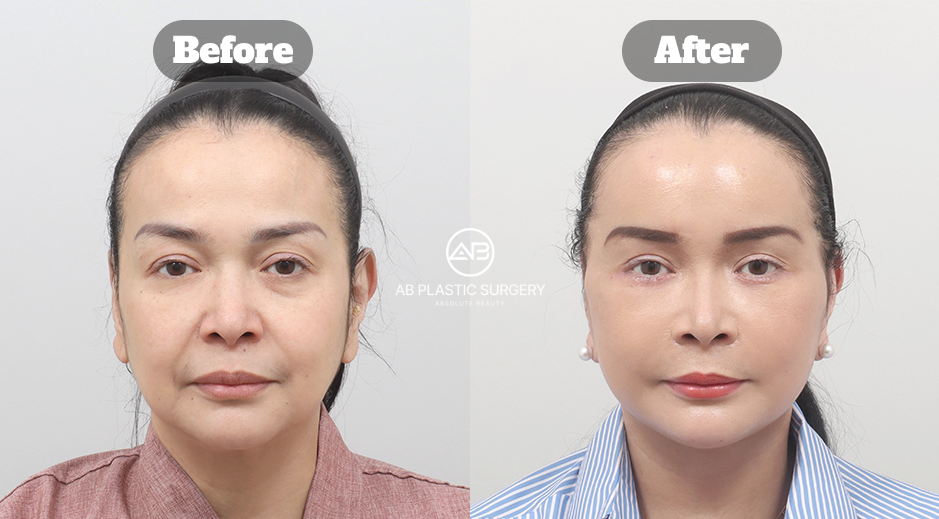
Facial and neck lifting procedures are designed to correct sagging in the midface, jawline, and neck by repositioning deeper tissue layers and tightening excess skin. These procedures target the underlying causes of facial laxity rather than surface appearance alone.
Because facial aging patterns vary between individuals, surgical planning must account for facial structure, skin thickness, and degree of tissue descent. Well-planned lifting procedures aim to restore natural contour without creating an over-tightened appearance.
Body Skin Laxity Surgery
Skin laxity affecting the body commonly occurs in the abdomen, upper arms, thighs, and lower torso, particularly after significant weight loss or aging-related tissue changes. In such cases, surgical intervention may be required to remove excess skin and improve contour.
Body skin laxity surgery focuses on functional and aesthetic improvement by addressing both skin redundancy and tissue support. Non-surgical treatments generally have limited effectiveness in areas with substantial excess skin.
Longevity and Stability of Surgical Results
Compared to non-surgical options, surgical treatment typically offers more stable and longer-lasting results. While aging continues after surgery, repositioned tissues and skin removal provide a structural reset that can maintain improved contours for years.
Long-term outcomes depend on factors such as surgical technique, skin quality, and postoperative care. At AB Plastic Surgery Korea, surgical recommendations for skin laxity are made only after comprehensive evaluation to ensure that expected benefits outweigh potential risks and recovery considerations.
Typical Skin Laxity Treatment Costs in Korea
Many international patients researching skin laxity treatment also want to understand the expected cost range before planning surgery or minimally invasive lifting in Korea. Since skin laxity can range from mild looseness to advanced facial or neck sagging, the final treatment plan may include thread lifting, facelift, neck lift, or combined lifting procedures depending on the degree of laxity and the area being treated.
|
Procedure |
Starting Price (USD) |
Commonly Considered For |
|---|---|---|
|
Mint Thread Lifting |
From $2,240 |
Mild to moderate facial laxity |
|
Elasticum Thread Lifting |
From $3,740 |
Moderate sagging requiring stronger support |
|
Semi Full Facelift |
From $5,240 |
Facial sagging and jawline laxity |
|
Full Face Lifting |
From $7,480 |
Advanced facial laxity and deeper tissue descent |
|
Neck Lifting |
From $2,990 |
Neck laxity, loose skin, and lower-face aging |
|
Ponytail Lifting |
From $5,990 |
Midface lifting and natural facial rejuvenation |
These prices are provided as starting references only. The actual cost may vary depending on the severity of skin laxity, treatment area, surgical complexity, anesthesia requirements, and whether multiple procedures are combined. A personalized consultation is recommended to receive an accurate treatment plan and final quotation.
→ Check Skin Laxity Treatment Costs and Request a Personalized Surgery Schedule
Choosing the Right Treatment Approach for Skin Laxity
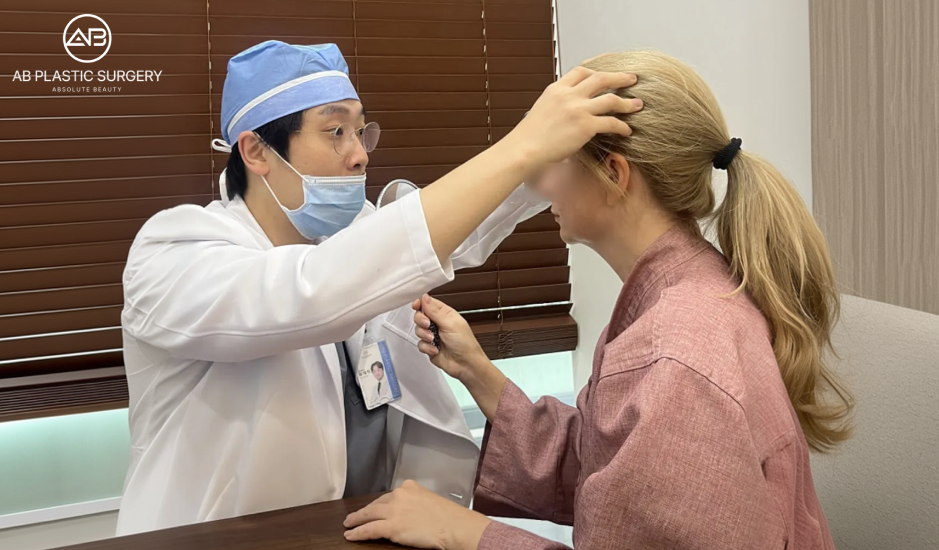
Selecting an appropriate treatment for skin laxity requires more than identifying visible sagging. Effective planning depends on understanding the underlying structural changes, the severity of tissue looseness, and the specific anatomical area involved.
There is no single treatment that suits all cases of skin laxity. An approach that is effective for mild facial looseness may be insufficient for advanced neck or body laxity, making individualized assessment essential.
Importance of Accurate Medical Diagnosis
Accurate diagnosis is the foundation of successful skin laxity treatment. This includes evaluating skin thickness, elasticity, degree of tissue descent, and how the skin responds to movement and gravity.
Without proper assessment, there is a risk of selecting treatments that either undercorrect the problem or produce short-lived results. Medical evaluation helps align treatment choice with achievable outcomes, reducing unnecessary procedures.
Area-Specific Treatment Planning
Skin laxity presents differently depending on the area of the face or body. Facial laxity often involves complex interactions between skin, fat, and deeper support structures, while body laxity may include significant excess skin following weight changes.
As a result, treatment planning must be tailored to the anatomical region. Methods effective for facial skin laxity may not translate directly to body areas, and vice versa.
Avoiding Overtreatment and Undertreatment
Both overtreatment and undertreatment can lead to dissatisfaction. Aggressive intervention in early-stage laxity may be unnecessary, while conservative treatment in advanced cases may fail to provide meaningful improvement.
Balancing treatment intensity with severity is critical. The goal is to achieve natural, stable improvement without compromising safety or long-term tissue health.
At AB Plastic Surgery Korea, treatment selection for skin laxity is guided by comprehensive consultation and individualized planning. By considering anatomical factors, severity, and long-term stability, patients are supported in making informed decisions that align with realistic expectations.
Frequently Asked Questions About Skin Laxity
The following questions summarize common concerns patients raise when considering treatment for skin laxity.
Can skin laxity be treated effectively without surgery?
Non-surgical treatments may be effective for mild to moderate skin laxity, particularly when skin elasticity is partially preserved. These approaches can improve firmness and skin quality but do not remove excess skin or correct significant tissue descent. Surgical treatment may be required for advanced laxity.
At what point do non-surgical treatments become insufficient?
Non-surgical treatments may become insufficient when skin laxity progresses to the point where visible sagging and excess skin are present at rest. When structural support has significantly weakened, surface-level tightening alone is unlikely to provide meaningful or lasting improvement.
How long do skin laxity treatments typically last?
The longevity of results varies depending on the treatment type, severity of laxity, and individual aging factors. Non-surgical treatments often require maintenance, while surgical correction generally provides more stable, long-term results. Aging continues regardless of treatment, so outcomes should be viewed within a long-term care perspective.
Is skin laxity treatment preventive or corrective?
Skin laxity treatment can serve both preventive and corrective roles depending on timing and method. Early intervention may help slow progression, while advanced laxity requires corrective treatment. The goal is not to stop aging, but to manage its visible structural effects.
Can different skin laxity treatments be combined safely?
In some cases, combination treatment may be appropriate to address different aspects of skin aging. However, treatment combinations should be planned carefully based on skin condition, recovery capacity, and overall treatment goals. Medical consultation is essential before combining procedures.
How much does skin laxity treatment cost in Korea?
The cost of skin laxity treatment in Korea depends on the treatment method and severity of sagging. Minimally invasive thread lifting may start from around $2,240, while surgical lifting options such as semi full facelift, full face lifting, neck lifting, or ponytail lifting may range from approximately $2,990 to $7,480 or higher. Because skin laxity varies by area, skin quality, and structural aging pattern, an individual consultation is needed for an accurate quote.
Final Considerations Before Treating Skin Laxity
Before pursuing treatment for skin laxity, it is important to approach the condition with realistic expectations and a long-term perspective. Skin laxity is a progressive structural change, and no single procedure can completely halt the aging process.
Effective treatment focuses on managing visible laxity while preserving natural contours and tissue balance. Understanding what each treatment can and cannot achieve helps prevent dissatisfaction and unnecessary intervention.
Treatment decisions should be guided by severity, anatomical area, and individual skin characteristics rather than age or trend-driven preferences. Early-stage laxity may benefit from conservative approaches, while advanced cases often require structural correction to achieve meaningful improvement.
Equally important is the role of medical evaluation and planning. At AB Plastic Surgery Korea, treatment recommendations are based on comprehensive consultation that considers skin quality, underlying tissue support, recovery expectations, and long-term outcome stability.
For international patients, careful planning is especially important to ensure that treatment choice aligns with available recovery time and follow-up care. A medically guided approach supports safer decision-making and more predictable outcomes.
Ultimately, treating skin laxity is not about achieving a dramatic change, but about restoring proportion, firmness, and confidence through medically appropriate care.
Treatment scope and cost for skin laxity vary depending on the severity of laxity, treatment method, and individual anatomical factors. For this reason, pricing is determined through medical consultation rather than standardized packages.
→ Price Inquiry for Skin Laxity Treatments
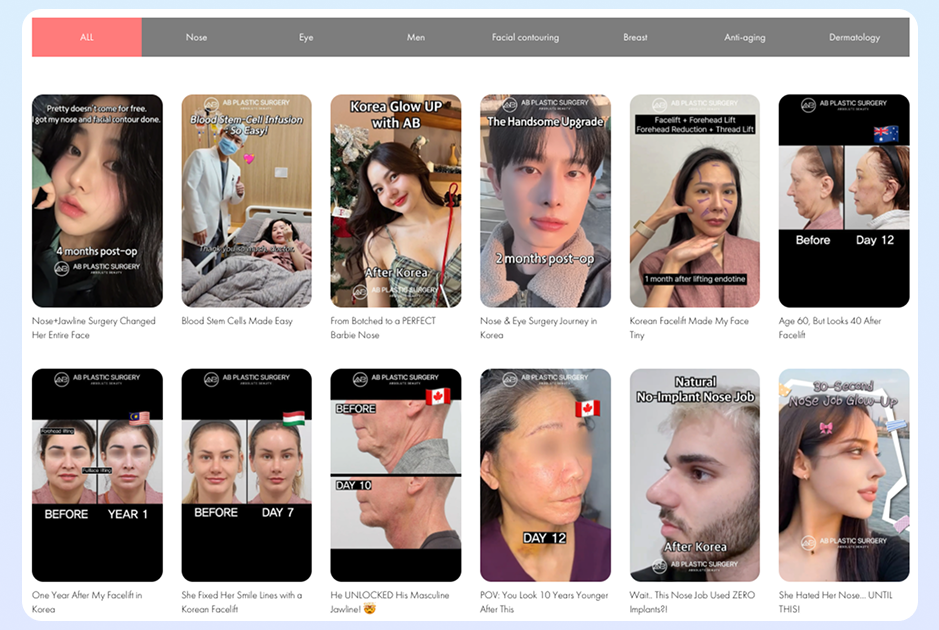
Reviewing real patient experiences can also help individuals better understand treatment planning, recovery expectations, and outcome stability. Verified before-and-after cases and patient stories provide additional context beyond procedural descriptions.
→ Patient Reviews and Before-and-After Results
At AB Plastic Surgery Korea, consultation-based assessment, transparent guidance, and structured aftercare are emphasized to support informed decision-making throughout the treatment process.

This article is for informational purposes only and does not replace a personal medical consultation.