Title
Chubby Face Isn’t Always Fat: Medical Differences Between a Chubby Face and a Round FaceDate
2026-02-18Views
12687
AB Blog
Chubby Face Isn’t Always Fat: Medical Differences Between a Chubby Face and a Round Face
Table of Contents
1. What People Really Mean by a “Chubby Face”
2. Chubby Face vs Round Face: Are They the Same?
3. Medical Definition of Facial Fullness
4. Four Medical Causes Behind a Chubby-Looking Face
5. Why Weight Loss Doesn’t Always Fix a Chubby Face
6. Treatment Options and Estimated Costs for Different Causes of Facial Fullness
7. Frequently Asked Questions About Chubby Face Treatment Costs in Korea
8. Why Proper Diagnosis Matters More Than the Procedure
Many people use the term chubby face to describe facial fullness, often assuming it is caused by weight gain. However, from a medical perspective, a chubby-looking face is not always related to overall body fat. Facial volume can be influenced by multiple anatomical factors that are independent of body weight.
In clinical practice, it is common to see patients who maintain a slim body type yet feel that their face appears round, soft, or full. In these cases, dieting or weight loss alone may have little to no impact on facial appearance, leading to frustration and confusion about what treatment options are actually effective.
One of the main reasons for this confusion is that chubby face is not a medical diagnosis. It is a descriptive term that refers to appearance, not cause. Different individuals may share a similar facial impression while having entirely different underlying reasons for facial fullness.
This guide approaches the topic of chubby face from a medical standpoint by clearly distinguishing between a chubby face and a round face. Rather than focusing on surface-level appearance, it explains how facial fat pads, muscle activity, bone structure, and skin laxity each contribute to facial volume.
By understanding these structural differences, readers can better evaluate whether their facial concerns are related to fat, muscle, bone, or skin—and why accurate diagnosis is essential before considering any non-surgical or surgical treatment.

What People Really Mean by a “Chubby Face”
The term chubby face is commonly used to describe a face that appears soft, full, or round. However, this expression is not based on medical criteria. It is a subjective description shaped by visual impression rather than anatomical cause.
In everyday use, people often associate a chubby face with weight gain or excess body fat. As a result, facial fullness is frequently interpreted as something that can be corrected through dieting or general weight loss. From a clinical perspective, this assumption is often inaccurate.
Why the Term “Chubby Face” Causes Confusion
The main issue with the term chubby face is that it does not explain why the face looks full. Two individuals may describe their faces in the same way while having completely different structural characteristics. Facial fat distribution, muscle activity, bone structure, and skin condition can all contribute to a similar outward appearance.
Because chubby face is an appearance-based expression rather than a diagnosis, it provides no guidance on what type of treatment—if any—is appropriate. This often leads people to pursue solutions that do not address the actual cause of their facial concern.
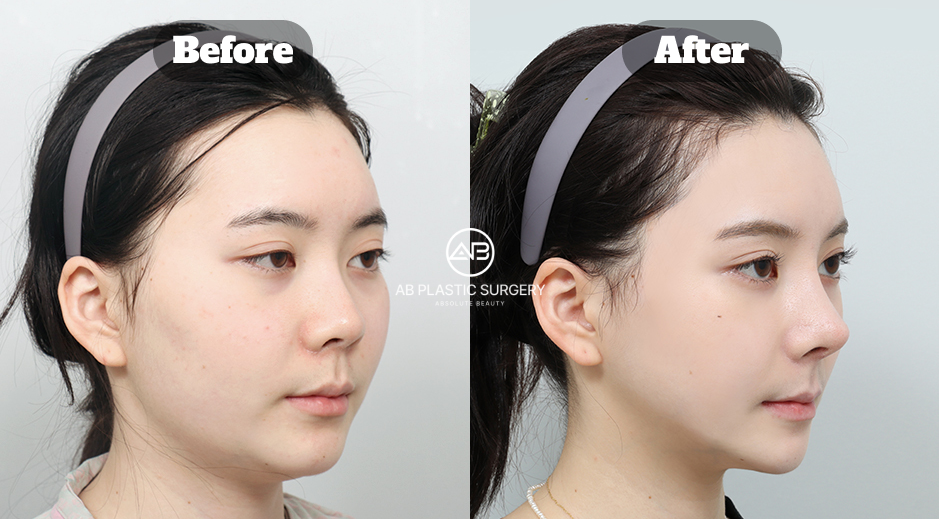
Appearance-Based Descriptions vs Medical Evaluation
From a medical standpoint, facial fullness must be evaluated by identifying which anatomical components are contributing to the overall impression of volume. Without this distinction, it is impossible to determine whether facial fullness is related to fat, muscle, skeletal structure, or age-related skin changes.
Understanding what people truly mean when they say they have a chubby face is the first step toward accurate diagnosis. This distinction becomes especially important when considering aesthetic treatments, as different causes require entirely different approaches.
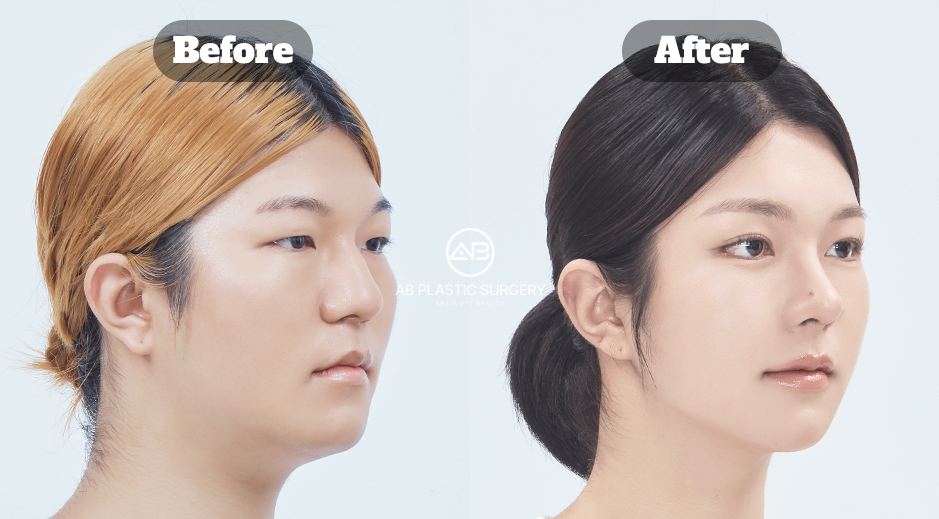
Chubby Face vs Round Face: Are They the Same?
At first glance, a chubby face and a round face may appear similar. Both are often described as having soft contours and a fuller facial appearance. However, from a medical perspective, these two terms do not refer to the same condition and should not be used interchangeably.
A chubby face is typically an appearance-based description that suggests excess volume or fullness, regardless of the underlying cause. In contrast, a round face is more closely related to natural facial proportions and skeletal structure. Understanding this distinction is critical when evaluating treatment options.
What Defines a Round Face Medically
In medical and anatomical terms, a round face is primarily determined by bone structure. Characteristics often include a wider midface, softer jaw angles, and balanced vertical and horizontal facial proportions. This facial shape is usually present from a young age and remains relatively consistent over time.
Because a round face is structural, weight fluctuations or aging may slightly affect appearance but do not fundamentally change the underlying facial shape. For this reason, a round face does not necessarily indicate excess fat or a need for volume reduction.
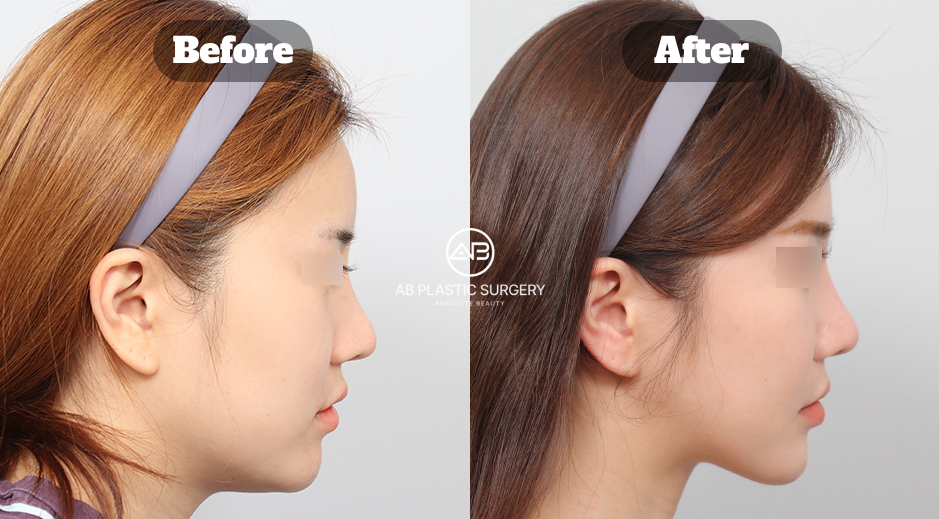
Why a Chubby Face Is Not a Facial Shape
Unlike a round face, a chubby face is not a defined facial shape. It is a descriptive term used when facial volume appears disproportionate to the rest of the face or body. This appearance can result from multiple factors, including localized fat accumulation, muscle hypertrophy, skin laxity, or a combination of these elements.
This distinction explains why some individuals describe their face as chubby despite having angular bone structure or a slim overall physique. In such cases, the issue is not facial shape but rather how volume is distributed or perceived.
Why Confusing These Two Leads to Incorrect Treatment
When a chubby face and a round face are assumed to be the same, treatment decisions are often based on incorrect assumptions. For example, attempting to reduce facial volume in someone whose fullness is caused by bone structure may lead to unnatural results.
Accurate differentiation between facial shape and appearance-based fullness allows for more appropriate treatment planning. This is why medical evaluation focuses on identifying the underlying cause rather than labeling the face based on visual impression alone.
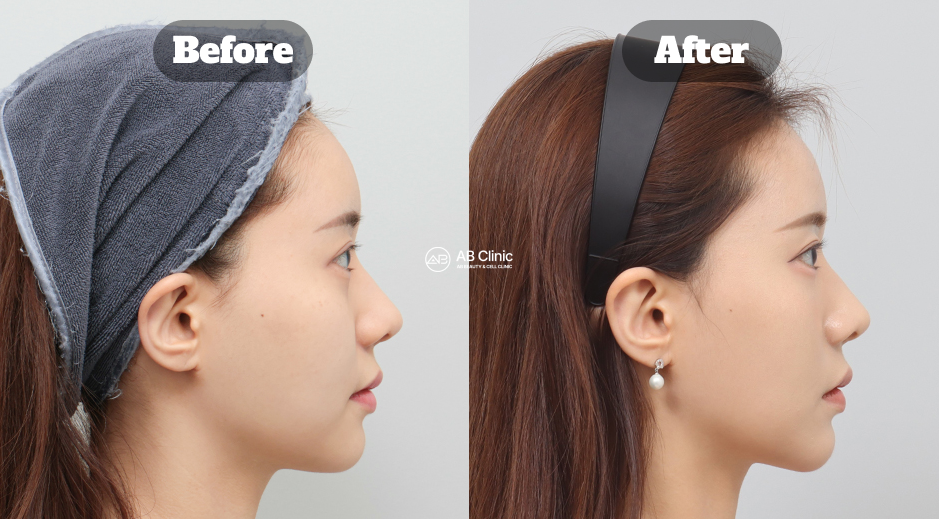
Medical Definition of Facial Fullness
From a medical perspective, facial fullness is not determined by a single factor. It is the result of multiple anatomical components interacting with one another. Evaluating facial volume requires an understanding of how fat, muscle, bone structure, and skin condition each contribute to the overall appearance of the face.
This is why visual impressions alone are insufficient when assessing a chubby-looking face. Two individuals may present with similar facial fullness while having entirely different underlying causes, requiring different treatment approaches.
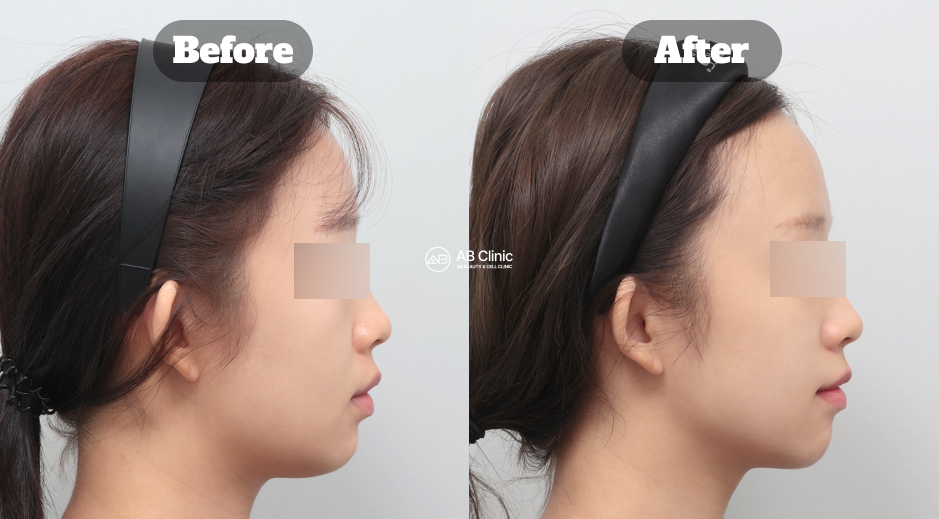
Facial Volume Is a Structural Issue, Not Just a Fat Issue
While facial fat often receives the most attention, it is only one component of facial volume. Muscle thickness, skeletal proportions, and skin elasticity can significantly influence how full or rounded the face appears, even in the absence of excess fat.
For example, strong masticatory muscles can widen the lower face, prominent cheekbones can alter midface proportions, and skin laxity can create the illusion of added volume. Each of these factors contributes to facial fullness in a different way.
Why Medical Classification Matters
Medical classification allows facial fullness to be analyzed based on cause rather than appearance. This distinction is essential because treatments that target fat will not affect muscle or bone, and lifting procedures will not reduce structural width.
Without identifying which anatomical components are responsible for facial fullness, treatment selection becomes guesswork. A medically grounded evaluation ensures that any aesthetic approach is aligned with the actual structure of the face.
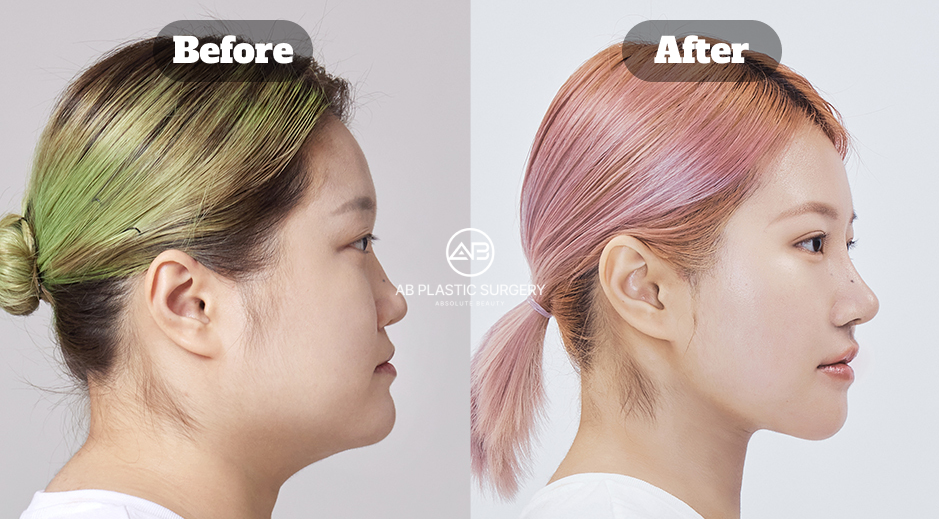
Preparing for Cause-Based Analysis
Understanding the medical definition of facial fullness provides the foundation for identifying its specific causes. Rather than labeling a face as simply chubby, clinicians assess which structural elements contribute most to the overall impression.
The following section breaks down the four primary medical causes behind a chubby-looking face and explains how each factor influences facial appearance.
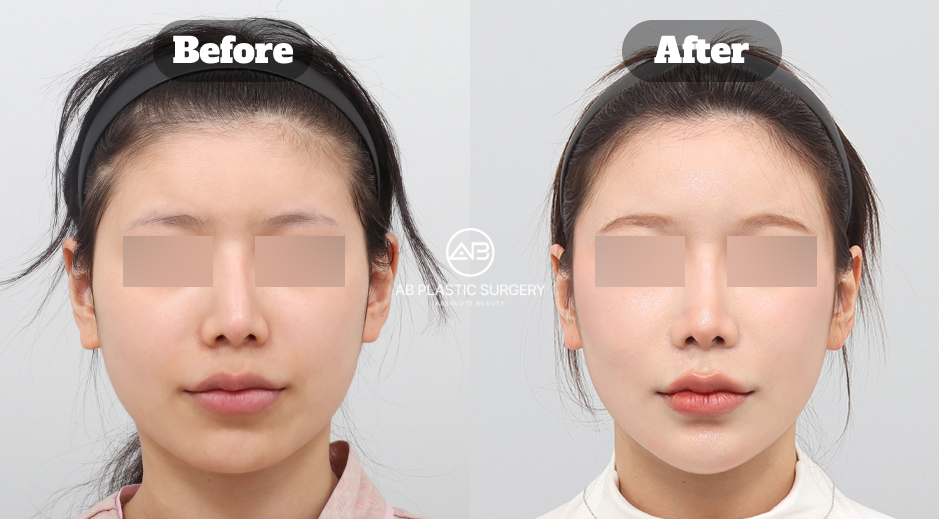
Four Medical Causes Behind a Chubby-Looking Face
A face that appears chubby can be influenced by more than one anatomical factor. In some cases, a single cause is dominant, while in others, multiple elements combine to create the impression of facial fullness. Identifying which factor plays the primary role is essential for accurate evaluation.
The following are the four most common medical causes behind a chubby-looking face, each affecting facial appearance in a different way.
1. Facial Fat Pad Distribution
Facial fat pads are natural structures that provide softness and contour to the face. When these fat pads are more prominent or unevenly distributed, they can create a fuller appearance, particularly in the cheeks and lower face.
Unlike general body fat, facial fat pads do not always respond proportionally to weight loss. This explains why some individuals notice minimal change in facial fullness even after significant changes in body weight.
2. Muscle Hypertrophy (Masseter Muscle)
The masseter muscles, located along the jawline, play a major role in chewing and jaw movement. When these muscles are overdeveloped, they can widen the lower face and contribute to a bulky or chubby appearance.
This type of facial fullness is muscular rather than fatty. As a result, reducing body fat or facial fat will not significantly alter the shape created by enlarged muscles.
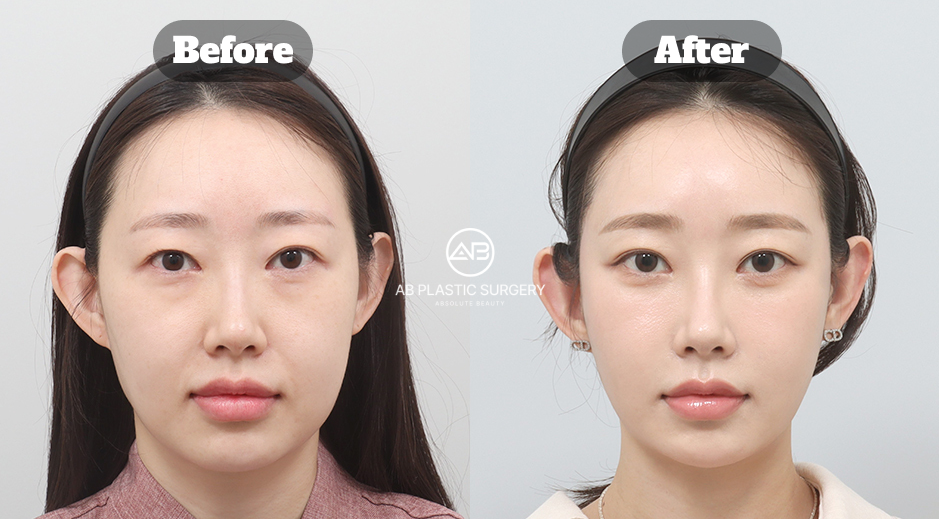
3. Bone Structure and Facial Proportions
Bone structure forms the foundation of facial shape. Prominent cheekbones, a wide zygomatic arch, or a broad lower jaw can naturally create the impression of a round or full face.
In these cases, facial fullness is structural rather than volumetric. Even a very lean individual may appear to have a chubby face due to underlying skeletal proportions.
Learn more about facial contouring options based on bone structure
4. Skin Sagging and Volume Illusion
As skin loses elasticity with age, it can descend and fold over underlying structures. This process may create shadows and bulges that give the illusion of added facial volume.
Rather than true fullness, this type of chubby appearance is caused by skin laxity and changes in facial support. It is often mistaken for fat accumulation, even though the underlying issue is related to aging rather than volume increase.
Explore anti-aging approaches for skin laxity–related facial fullness
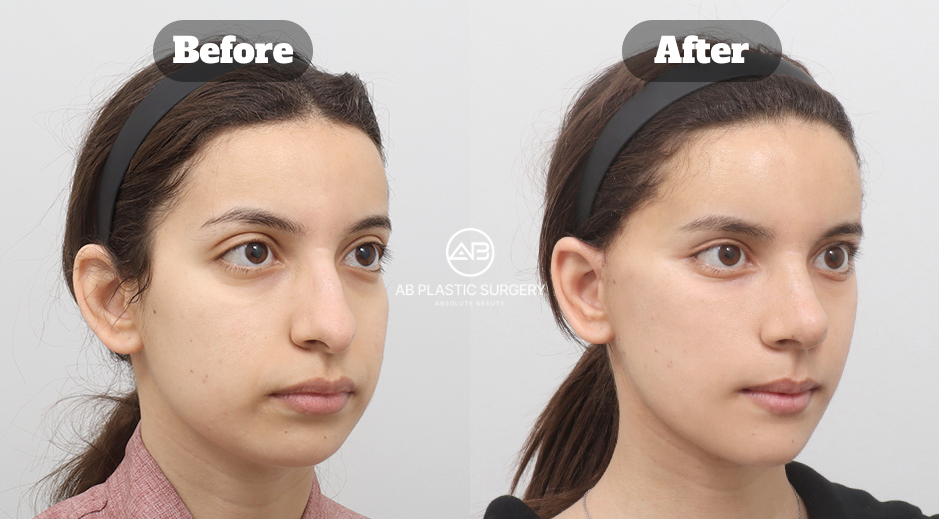
Why Weight Loss Doesn’t Always Fix a Chubby Face
Many people assume that losing weight will automatically lead to a slimmer face. While overall weight loss can reduce general body fat, it does not guarantee a noticeable change in facial appearance. This is because facial fullness is often influenced by factors that are not directly related to body weight.
In clinical settings, it is common to encounter patients who experience significant weight reduction without seeing proportional changes in their facial volume. This disconnect can lead to frustration and misunderstanding about the true cause of a chubby-looking face.
Facial Fat Behaves Differently from Body Fat
Facial fat pads are biologically distinct from fat stored in other areas of the body. Their size and position are largely influenced by genetics and facial anatomy rather than calorie balance alone.
As a result, even substantial weight loss may have limited impact on cheek fullness or lower facial volume if facial fat pads are the primary contributing factor.
Structural and Muscular Factors Remain Unchanged
Weight loss does not alter bone structure or significantly reduce muscle thickness. If facial fullness is caused by a wide skeletal framework or enlarged masseter muscles, dieting will not change the underlying facial proportions.
This explains why individuals with a slim physique may still feel that their face looks chubby despite maintaining a low body fat percentage.
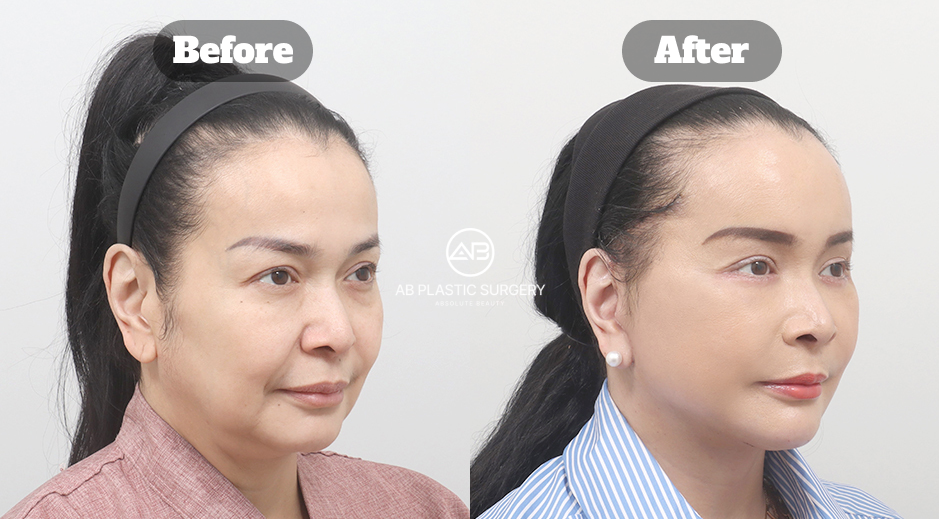
Weight Loss May Even Accentuate Facial Sagging
In some cases, weight loss can lead to decreased skin support, making facial sagging more noticeable. As skin elasticity declines, reduced volume may cause tissues to descend, creating folds or shadows that resemble added fullness.
This effect can make the face appear heavier or more tired, even though overall fat volume has decreased.
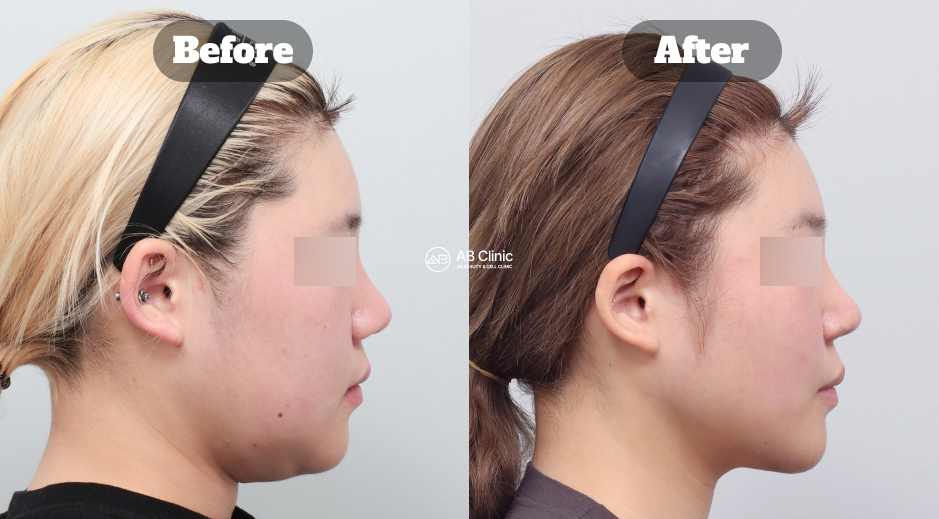
Why Cause-Based Evaluation Is Essential
Because weight loss does not address all causes of facial fullness, relying on dieting alone may not resolve concerns related to a chubby face. Identifying whether the issue stems from fat distribution, muscle activity, bone structure, or skin laxity is essential for realistic expectations.
This understanding highlights the importance of medical evaluation before considering any aesthetic approach aimed at slimming the face.
Compare surgical and non-surgical jawline options
Treatment Options and Estimated Costs for Different Causes of Facial Fullness
Because facial fullness can originate from fat distribution, muscle hypertrophy, bone structure, or skin laxity, treatment approaches vary significantly from patient to patient. In Korea, procedures related to facial slimming and contour improvement are typically selected based on anatomical diagnosis rather than appearance alone.
Estimated treatment costs can also differ depending on surgical complexity, combined procedures, facial proportions, and recovery planning. The following examples reflect commonly considered treatment options for different causes of facial fullness.
Estimated Costs Based on the Cause of Facial Fullness
Estimated costs may vary depending on individual facial anatomy, surgical complexity, treatment scope, combined procedures, and recovery planning. Because facial fullness can originate from different structural causes, accurate diagnosis and personalized consultation are essential before determining a final treatment plan and cost.
Why Personalized Consultation Matters Before Choosing Surgery
Even when two patients appear to have a similar chubby-looking face, the underlying anatomical causes may be completely different. Some patients may benefit from facial contouring surgery, while others may require lifting procedures, fat reduction, or combined approaches focused on structural balance.
For this reason, treatment planning in Korea is typically based on individualized consultation, anatomical analysis, and recovery considerations rather than standardized procedure selection alone.
Frequently Asked Questions About Chubby Face Treatment Costs in Korea
How much does facial contouring or face slimming treatment cost in Korea?
In Korea, treatment costs for facial slimming or contour improvement vary depending on the anatomical cause of facial fullness and the complexity of the procedure. Facial contouring procedures may start from approximately $5,240 USD, while 3-set facial contouring surgery can begin from around $15,650 USD. Buccal fat removal may start from approximately $1,360 USD, and facelift-related procedures generally range from about $5,240 to $7,480 USD. Final costs are determined through individualized consultation based on facial structure, treatment scope, and recovery planning.
Why do facial contouring and chubby face treatment costs vary between patients?
Facial fullness can result from different anatomical factors including bone structure, muscle hypertrophy, facial fat distribution, or skin laxity. Because each cause requires a different surgical or non-surgical approach, treatment complexity and overall cost can vary significantly between patients. Combined procedures, revision surgery, recovery management, and individualized treatment planning may also affect pricing.
Can consultation determine whether I need facial contouring, fat removal, or lifting?
Yes. A chubby-looking face can be caused by facial fat, enlarged masseter muscles, skeletal width, or sagging skin. Consultation helps identify which anatomical factor is most responsible for facial fullness and whether facial contouring surgery, buccal fat removal, AccuSculpt, lifting surgery, or a combined treatment plan may be more appropriate.

Why Proper Diagnosis Matters More Than the Procedure
When addressing a chubby-looking face, the procedure itself is only one part of the decision-making process. Without proper diagnosis, even technically advanced treatments may fail to produce balanced or lasting results. This is because facial fullness is influenced by multiple anatomical variables that require careful evaluation before any intervention is considered.
Accurate diagnosis is not based on appearance alone. It requires an understanding of facial anatomy, structural balance, and the interaction between bone, muscle, fat, and skin. For this reason, standardized diagnostic criteria and clinical experience play a critical role in treatment planning.
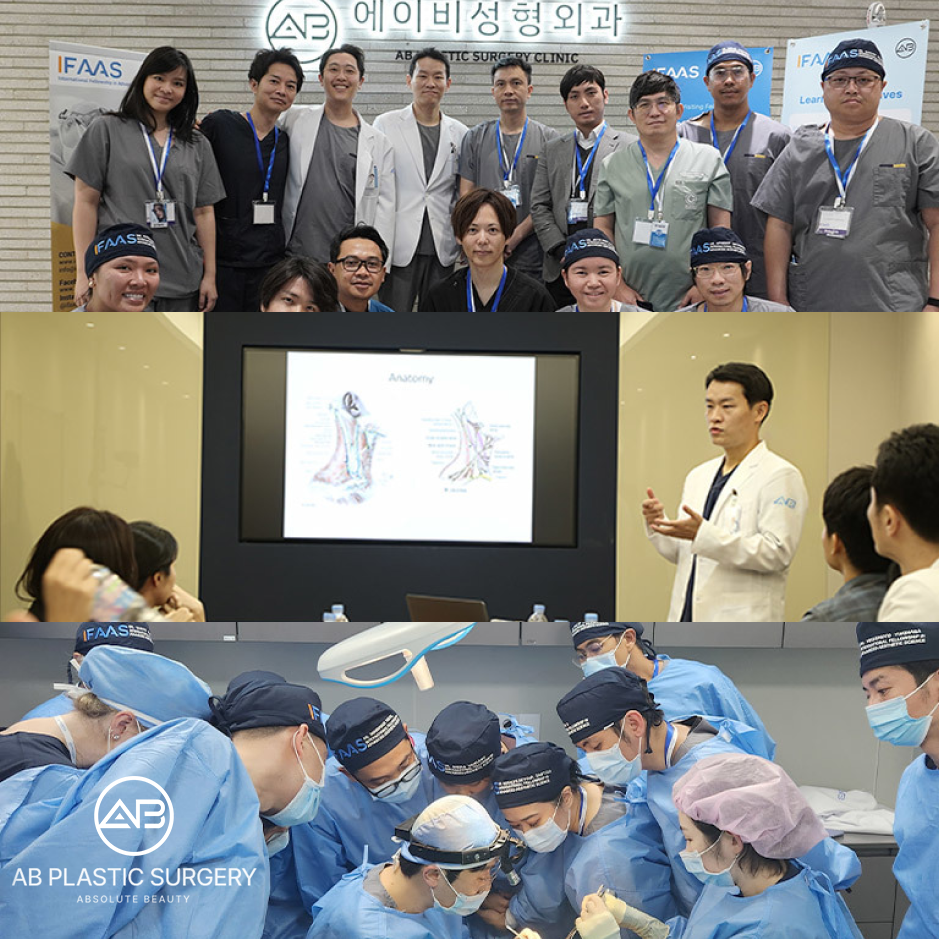
Diagnosis Based on Anatomical Criteria, Not Assumptions
As demonstrated through international academic activities such as facial contouring symposia and live surgical workshops, effective facial evaluation begins with anatomical analysis. Lectures and case-based discussions emphasize pre-surgical assessment, facial proportions, and structural variation rather than relying on generalized aesthetic assumptions.
This academic approach highlights why two patients with similar facial impressions may require entirely different treatment strategies. Diagnosis grounded in anatomy allows for individualized planning rather than uniform solutions.
The Role of Clinical Systems and Safety Protocols
Proper diagnosis is closely tied to institutional systems that support medical safety and consistency. Certified international medical institutions operate under structured protocols that include preoperative evaluation, cross-checking of patient data, and standardized safety procedures.
These systems are designed to reduce variability and risk, ensuring that treatment decisions are made within a controlled and medically verified framework rather than subjective judgment.
Why Experience and Academic Validation Matter
Continuous participation in academic conferences, international workshops, and clinical research contributes to the refinement of diagnostic standards. Exposure to diverse case presentations and peer-reviewed discussion reinforces the importance of evidence-based evaluation.
This ongoing academic involvement supports more precise diagnosis, particularly in complex cases where facial fullness is caused by overlapping structural factors.

Diagnosis as the Foundation of Responsible Treatment
Ultimately, proper diagnosis serves as the foundation of responsible aesthetic care. It guides whether treatment is necessary, what type of intervention is appropriate, and how to minimize unnecessary procedures.
By prioritizing diagnosis over procedure selection, patients are better positioned to achieve outcomes that respect facial structure, maintain balance, and align with long-term safety considerations.
View before-and-after results across facial procedures
Read real patient stories, costs, and recovery timelines
Request a personalized consultation based on facial structure



This article is for informational purposes only and does not replace a personal medical consultation.