Title
Epicanthoplasty in Korea: Purpose, Procedure, and Who It Is ForDate
2026-02-11Views
5016
AB Blog
Epicanthoplasty: A Decision Guide, Not Just an Eye Surgery
Table of Contents
1. Why Epicanthoplasty Is Often Misunderstood
2. The Inner Corner of the Eye: What Actually Shapes It
3. Cases Where Epicanthoplasty Adds Little — or Nothing
4. Combination Surgery Is a Strategy — Not a Rule
5. Scarring, Reversibility, and Long-Term Perception
6. Frequently Asked Questions About Epicanthoplasty
7. Why Epicanthoplasty Is Approached Selectively at AB Plastic Surgery Korea
Epicanthoplasty is often introduced as a way to “open up the eyes” by reducing the epicanthal fold at the inner corner. However, this description alone oversimplifies what the procedure actually does — and more importantly, when it truly makes a difference. In clinical practice, epicanthoplasty is less about enlarging the eyes and more about how the starting point of the eye is perceived within the overall facial structure.
One of the reasons epicanthoplasty is frequently misunderstood is that concerns about the inner eye corner are often attributed to a single feature. In reality, the impression of “small” or “closed” eyes can result from a combination of factors, including eye spacing, eyelid structure, fold tension, and overall eye shape. Addressing the epicanthal fold without understanding these relationships can lead to limited improvement or results that feel unnecessary over time.
For this reason, epicanthoplasty should not be approached as a routine or automatic step in eye surgery planning. It is a decision-based procedure that requires careful evaluation of whether altering the inner corner will meaningfully improve balance, proportion, or eye shape perception.
This guide focuses not only on what epicanthoplasty is, but on when it helps, when it adds little, and how to determine whether it is the right choice — particularly for patients considering eye surgery in Korea.
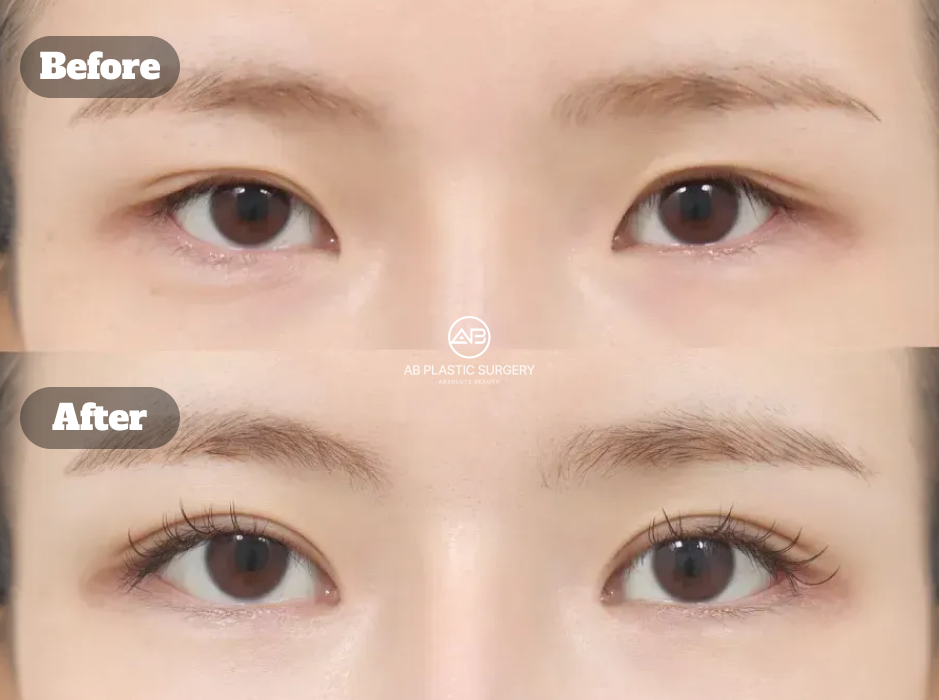
Why Epicanthoplasty Is Often Misunderstood
Epicanthoplasty is one of the most frequently discussed eye surgeries, yet it is also one of the most commonly misunderstood. Much of this confusion stems from how the procedure is framed in online content, where the presence of an epicanthal fold is often treated as a problem that automatically requires correction.
In many cases, the inner corner of the eye becomes a visual focal point because it is easy to isolate in photos or before-and-after images. However, the human eye does not evaluate facial features in isolation. The perceived openness of the eyes is influenced by how multiple structures interact, including eyelid height, eye spacing, eyebrow position, and overall facial proportions.
As a result, the epicanthal fold is frequently assigned more responsibility than it actually has. Patients may feel that their eyes look “closed” or “small,” when the underlying cause is not the inner corner itself, but the way other anatomical elements shape the overall eye impression. In such cases, altering the epicanthal fold alone may create minimal visible change.
Another reason epicanthoplasty is misunderstood lies in its association with other eye procedures. Because it is often mentioned alongside double eyelid surgery, it can be perceived as a standard complementary step rather than a selective option. This assumption can blur the distinction between procedures that address eyelid definition and those that alter the starting point of the eye.
Understanding epicanthoplasty begins with recognizing that it is not designed to “fix” all inner eye concerns. Its role is specific, and its impact depends heavily on individual anatomy. Without this context, the procedure risks being viewed as a default solution rather than a targeted surgical decision.
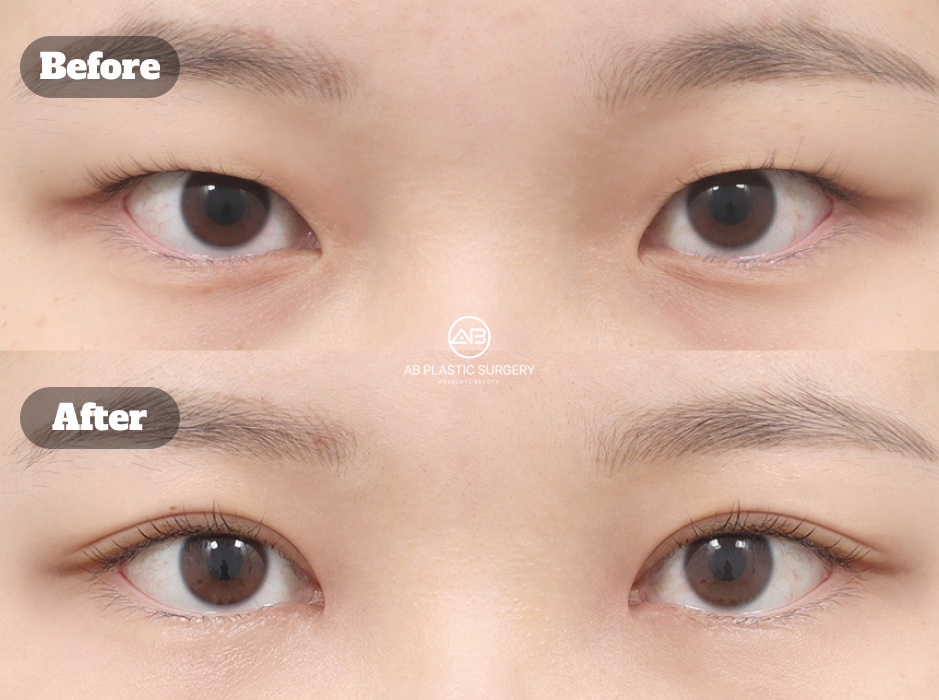
The Inner Corner of the Eye: What Actually Shapes It
The inner corner of the eye plays a subtle but important role in how the eyes are perceived. While it is often discussed as a single anatomical feature, its visual impact is determined by how it interacts with surrounding structures rather than by the epicanthal fold alone.
From an evaluative perspective, the inner eye corner contributes less to perceived eye size and more to how the eye begins within the facial frame. This starting point affects the sense of eye spacing, direction, and continuity of the eye line, all of which influence overall eye impression.
Inner Corner Exposure and Eye Spacing Perception
One of the most common misconceptions is that limited inner corner exposure automatically makes the eyes look smaller. In reality, eye size perception is closely tied to spacing. When the distance between the eyes is already balanced, reducing the epicanthal fold may have little effect on how open or large the eyes appear.
Conversely, in cases where the inner corner is visually obscured and eye spacing feels wide, clarifying the starting point of the eye can subtly improve proportional balance. This distinction explains why epicanthoplasty produces noticeable change in some patients but minimal difference in others.
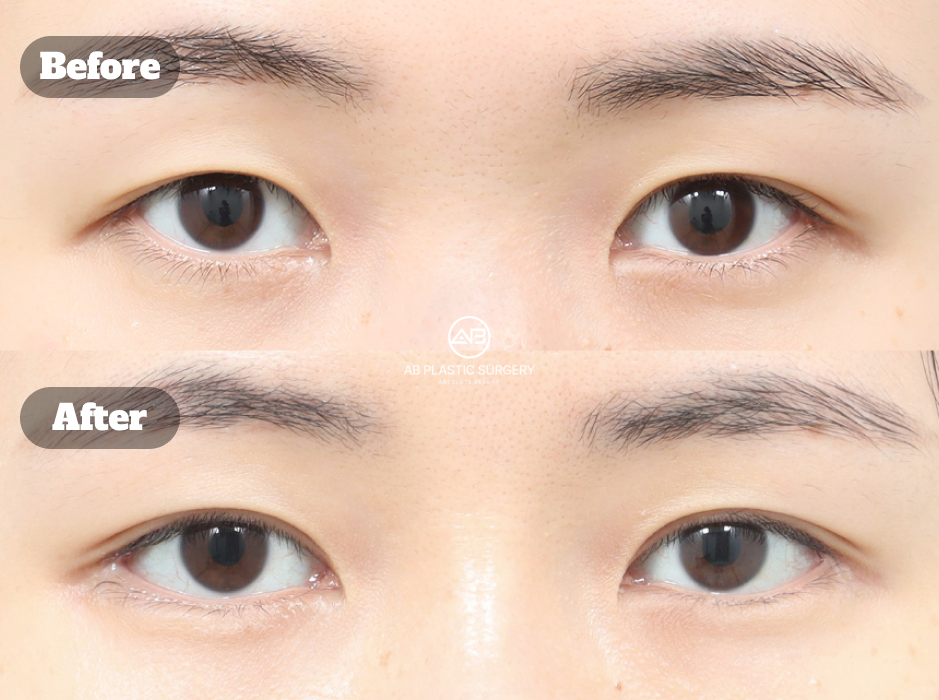
Fold Tension and the Direction of the Eye Line
The epicanthal fold is not simply a skin fold; it has tension and direction that can influence how the eye line is read visually. In certain anatomical patterns, this tension creates a rounded or inward-drawn appearance at the inner corner, interrupting the natural flow of the eye shape.
When epicanthoplasty is considered in these cases, the goal is not to remove the fold entirely, but to release or reposition tension so that the eye line appears more continuous. Without this specific structural indication, altering the inner corner may not contribute meaningfully to eye shape definition.
Why Eye Shape Cannot Be Evaluated in Isolation
The inner corner should never be assessed independently from the rest of the eye. Eyelid height, crease formation, eyebrow position, and even midface structure all influence how the inner corner is perceived.
This is why epicanthoplasty functions best as part of a broader eye shape evaluation rather than as a standalone fix. Understanding how the inner corner fits into the overall eye structure allows for more accurate decision-making and helps prevent unnecessary surgical intervention.
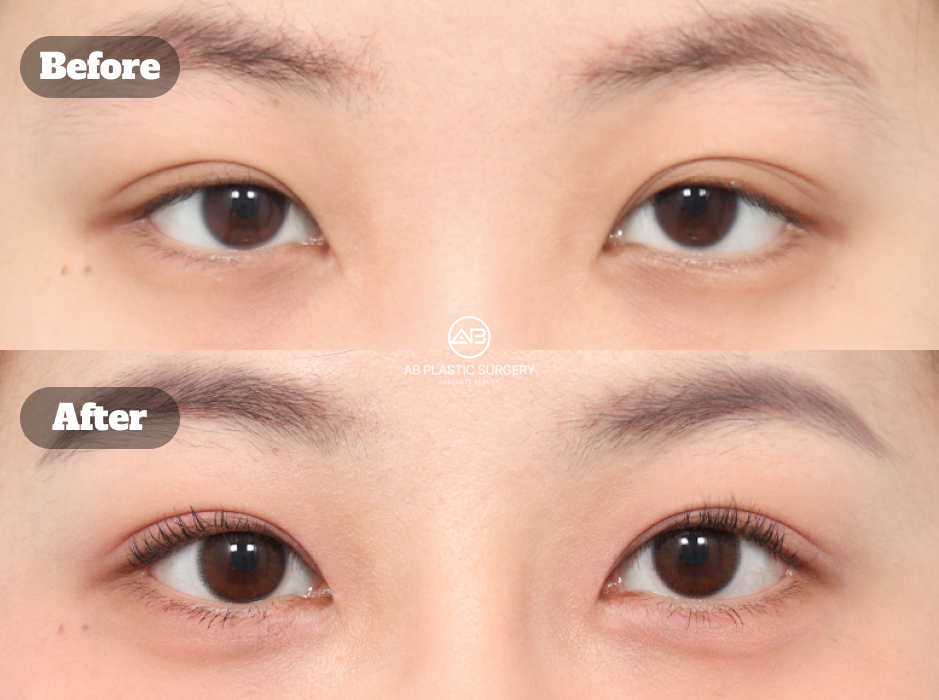
Cases Where Epicanthoplasty Adds Little — or Nothing
Despite its visibility in online discussions, epicanthoplasty does not produce meaningful improvement in every case. In fact, a significant number of patients who inquire about inner corner surgery fall into categories where the structural contribution of the epicanthal fold is minimal.
Understanding these situations is critical, as performing epicanthoplasty without clear anatomical indication may result in limited visual change or outcomes that feel unnecessary over time.
Sufficient Inner Corner Exposure at Baseline
When the inner corner of the eye is already adequately exposed, reducing the epicanthal fold further does not significantly alter eye perception. In these cases, the starting point of the eye is clearly defined, and eye spacing appears balanced.
Patients may still feel that their eyes look “small,” but this impression is often driven by other factors such as eyelid height, crease definition, or overall eye width. Addressing the inner corner alone in such cases rarely delivers the change patients expect.
Eye Spacing Misinterpreted as an Inner Corner Issue
Another common scenario involves concerns about eye distance rather than inner corner structure. When eye spacing is naturally wide, the epicanthal fold is often assumed to be the cause of visual imbalance.
However, modifying the inner corner does not significantly change true intercanthal distance. In these cases, epicanthoplasty may clarify the inner corner slightly, but it cannot correct spacing perception rooted in overall facial proportions.
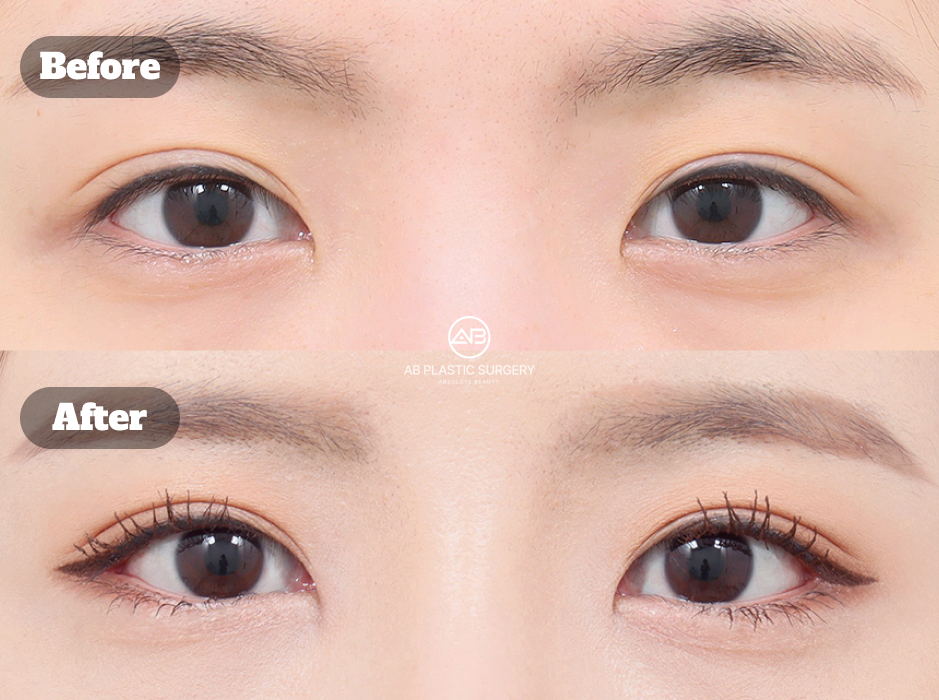
Eyelid Structure as the Primary Limiting Factor
In some patients, the primary contributor to a closed or heavy eye impression lies in the upper eyelid rather than the inner corner. Low eyelid height, thick eyelid tissue, or limited crease definition can all reduce perceived eye openness.
When these factors dominate, epicanthoplasty alone offers little benefit. Without addressing eyelid structure, altering the inner corner may appear disconnected from the overall eye shape.
When Change Is Technically Possible but Visually Insignificant
There are also cases where epicanthoplasty can be performed from a technical standpoint, but the expected visual change is subtle to the point of being barely noticeable. While the anatomy allows for fold reduction, the impact on eye impression remains minimal.
In such situations, the question shifts from whether surgery is possible to whether it is meaningful. This distinction underscores why epicanthoplasty should be considered selectively rather than as a routine component of eye surgery planning.
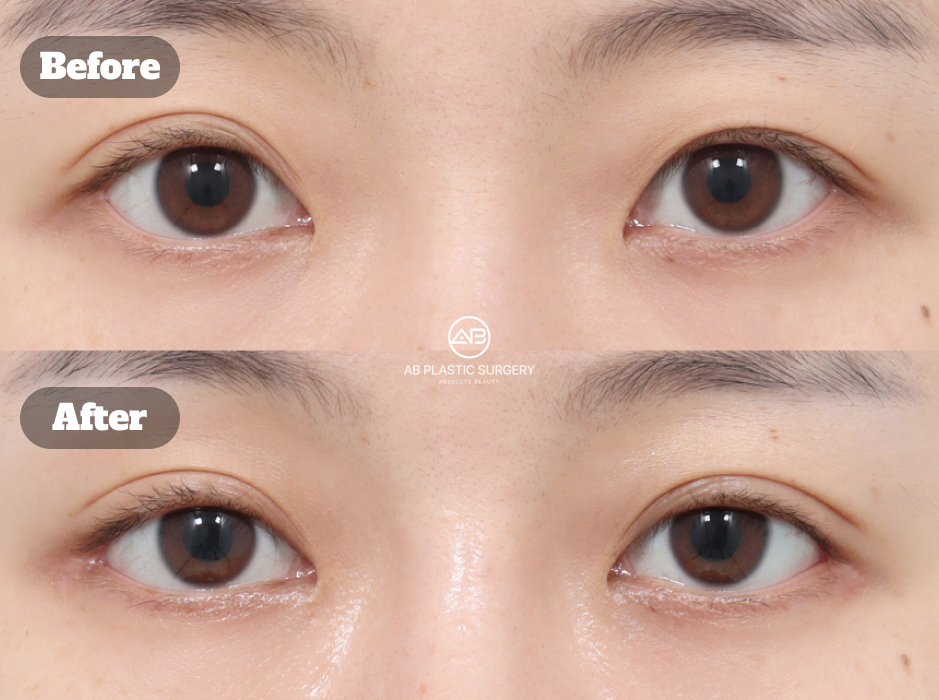
Combination Surgery Is a Strategy — Not a Rule
Epicanthoplasty is frequently discussed in combination with other eye procedures, particularly double eyelid surgery. While combination surgery can be appropriate in selected cases, it should not be treated as a default approach or an assumed upgrade.
The decision to combine procedures should be based on strategy rather than convention. Each component of eye surgery addresses a different structural element, and combining them without a clear purpose can complicate both evaluation and recovery.
Different Procedures, Different Objectives
Double eyelid surgery primarily focuses on eyelid definition and crease formation, while epicanthoplasty alters the starting point of the eye. Although these areas are anatomically close, they serve distinct functional and visual roles. This distinction becomes clearer when epicanthoplasty is evaluated alongside other eye surgery procedures, rather than as an automatic companion.
When both procedures are planned together, it is essential to clarify which concern is primary. Without this distinction, patients may expect one procedure to compensate for limitations in the other, leading to unclear goals and unpredictable satisfaction.
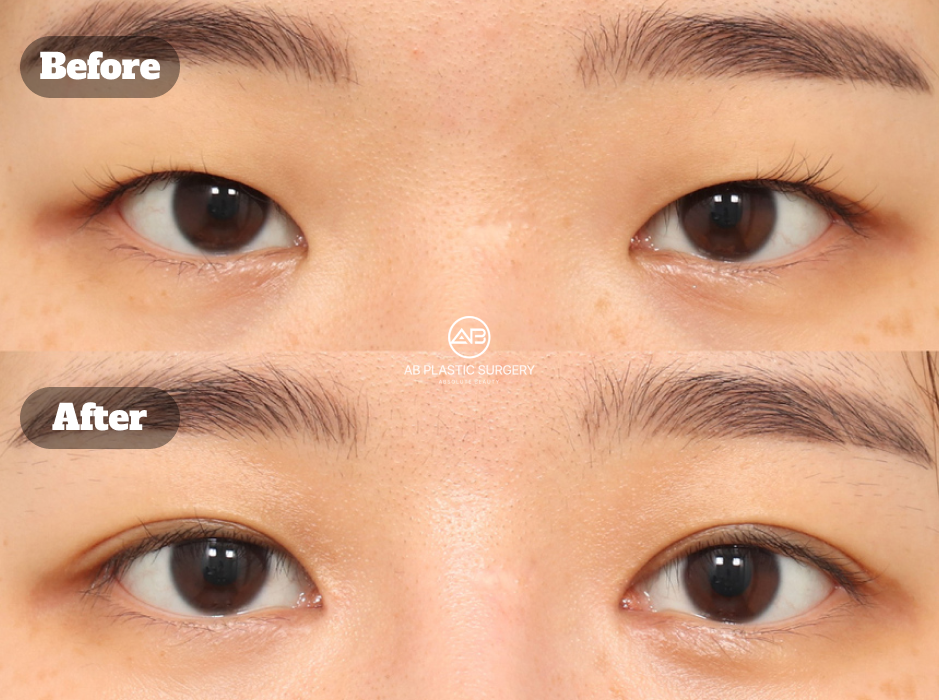
When Combination Surgery Makes Structural Sense
Combination surgery can be effective when both the eyelid structure and the inner corner contribute independently to the overall eye impression. In such cases, addressing only one element may leave the other as a limiting factor.
However, this approach requires careful sequencing and design. The goal is not to maximize the number of procedures, but to ensure that each intervention supports a coherent eye shape outcome.
Situations Where a Single Procedure Is Preferable
There are many cases in which performing only one eye procedure provides clearer evaluation and more controlled results. Isolating a single variable allows both the surgeon and the patient to assess its true impact without interference from simultaneous changes.
This approach is particularly relevant when the expected contribution of epicanthoplasty is subtle, or when eyelid structure alone accounts for the majority of the visual concern.
Considerations for International Patients and Recovery Planning
For international patients, recovery planning adds another layer to combination surgery decisions. Multiple procedures may extend swelling duration, complicate postoperative monitoring, or limit the ability to assess early outcomes during a short stay.
In these cases, staging procedures or prioritizing the most structurally relevant intervention can offer a more predictable and manageable experience. Combination surgery should therefore be evaluated not only from an anatomical perspective, but also within the context of time, recovery capacity, and follow-up availability.
Typical Epicanthoplasty Cost in Korea
One of the most common questions from international patients is how much epicanthoplasty costs in Korea. While the exact surgical plan depends on your eye anatomy and whether the procedure is combined with double eyelid surgery or ptosis correction, the following prices provide a general reference at AB Plastic Surgery Korea.
|
Procedure |
Starting Price (USD) |
|---|---|
|
Epicanthoplasty |
From $750 |
|
Lateral + Lower Canthoplasty |
From $1,360 |
|
Non-Incisional Ptosis Correction |
From $1,700 |
|
Incisional Ptosis Correction |
From $2,380 |
The final treatment plan and quotation may vary depending on your eye structure, previous surgery, whether multiple procedures are combined, and the complexity of correction. An individualized consultation is recommended before confirming the surgical plan.
→ View the latest eye surgery prices and create your personalized surgery plan.
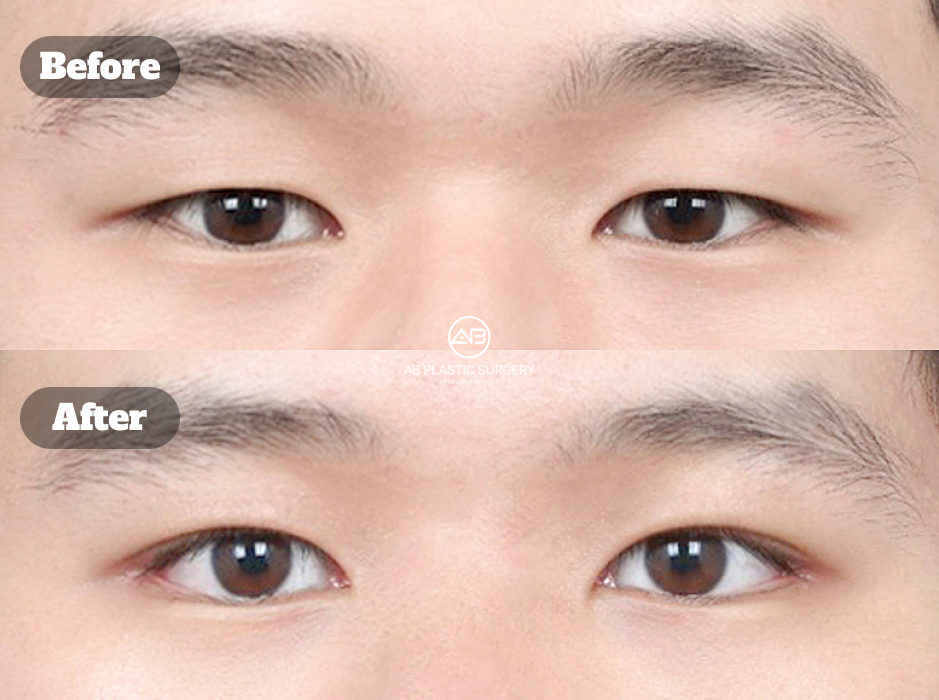
Scarring, Reversibility, and Long-Term Perception
Concerns about scarring and reversibility are common among patients considering epicanthoplasty. These questions are understandable, but they are often framed too narrowly, focusing on immediate appearance rather than how results are perceived over time.
Because epicanthoplasty involves the inner corner of the eye, even subtle changes can attract heightened attention in the early recovery phase. However, long-term satisfaction is less about the presence of a scar and more about how naturally the inner corner integrates with the overall eye shape as healing progresses.
Understanding Scarring Beyond Visibility
Scarring after epicanthoplasty is often discussed in terms of whether it can be seen. In practice, the more relevant question is how the inner corner is perceived once swelling subsides and tissue stabilizes.
When epicanthoplasty is performed with clear structural indication, the inner corner tends to appear balanced and continuous with the rest of the eye. In contrast, when the procedure is applied without sufficient need, even minimal scarring can feel more noticeable because the change itself lacks contextual purpose.
The Limits of Reversibility
Patients often ask whether epicanthoplasty can be reversed. While revision techniques exist, reversibility should not be viewed as a safety net that compensates for uncertain decision-making.
The inner corner is a delicate anatomical area, and repeated modification can alter tissue behavior and perception. For this reason, the primary objective should always be correct initial selection rather than reliance on the possibility of revision.
How Perception Changes Over Time
The way patients perceive epicanthoplasty results often evolves. What feels prominent or unfamiliar in the early postoperative period may gradually blend into the overall eye shape as healing progresses and visual focus shifts.
Long-term satisfaction is strongly influenced by whether the procedure aligns with the patient’s original structural needs. When epicanthoplasty supports balance rather than forcing change, it tends to become visually unremarkable over time — which, in this context, is often the desired outcome.
Why Long-Term Evaluation Matters More Than Immediate Change
Epicanthoplasty should be evaluated on how it contributes to lasting eye harmony rather than on early dramatic impact. Procedures that look subtle initially but remain consistent over time often yield greater satisfaction than changes that draw attention without structural justification.
This perspective reinforces the importance of conservative decision-making, particularly for patients seeking natural and stable results rather than short-term transformation.

Frequently Asked Questions About Epicanthoplasty
Is epicanthoplasty always necessary for patients with an epicanthal fold?
No. The presence of an epicanthal fold alone does not indicate the need for epicanthoplasty. Many patients have epicanthal folds that do not interfere with eye balance or perception. The procedure is only meaningful when the fold actively affects how the eye shape is read within the overall facial structure.
Does epicanthoplasty make the eyes look bigger?
Epicanthoplasty does not directly increase eye size. Instead, it can change how the starting point of the eye is perceived. When anatomically appropriate, this may create a clearer or more balanced impression, but it should not be expected to enlarge the eyes in the same way eyelid surgery can.
Is epicanthoplasty always combined with double eyelid surgery?
No. While the two procedures are often discussed together, they address different structural concerns. Epicanthoplasty modifies the inner corner of the eye, whereas double eyelid surgery focuses on eyelid definition. Each should be considered independently and combined only when both contribute meaningfully to the desired outcome.
Does epicanthoplasty permanently change the distance between the eyes?
Epicanthoplasty does not change the actual anatomical distance between the eyes. It may influence how eye spacing is perceived by clarifying the inner corner, but it cannot correct spacing concerns rooted in overall facial proportions.
How long does it take for epicanthoplasty results to feel natural?
Initial swelling and awareness of change typically resolve over the first few weeks, but the sense of natural integration develops gradually. Long-term perception depends less on recovery speed and more on whether the procedure was structurally appropriate from the beginning.
Is epicanthoplasty common among international patients?
International patients often inquire about epicanthoplasty, but it is not universally performed. Decisions are typically made after evaluating eye structure, recovery considerations, and the overall surgical plan, rather than based on the procedure’s popularity.
How much does epicanthoplasty cost in Korea?
At AB Plastic Surgery Korea, epicanthoplasty starts from USD 750. The final cost depends on factors such as your eye anatomy, whether additional procedures like double eyelid surgery or ptosis correction are recommended, and whether this is a revision case. A personalized consultation provides the most accurate treatment plan and quotation.

Why Epicanthoplasty Is Approached Selectively at AB Plastic Surgery Korea
At AB Plastic Surgery Korea, epicanthoplasty is not approached as a routine or default component of eye surgery. Instead, it is evaluated as a selective procedure whose relevance depends on individual anatomy, eye balance, and long-term perception.
This perspective reflects an understanding that inner corner surgery can meaningfully improve eye harmony in certain cases, while offering limited benefit in others. As a result, consultation focuses first on identifying cases where epicanthoplasty is not structurally necessary, rather than promoting it as a standard option.
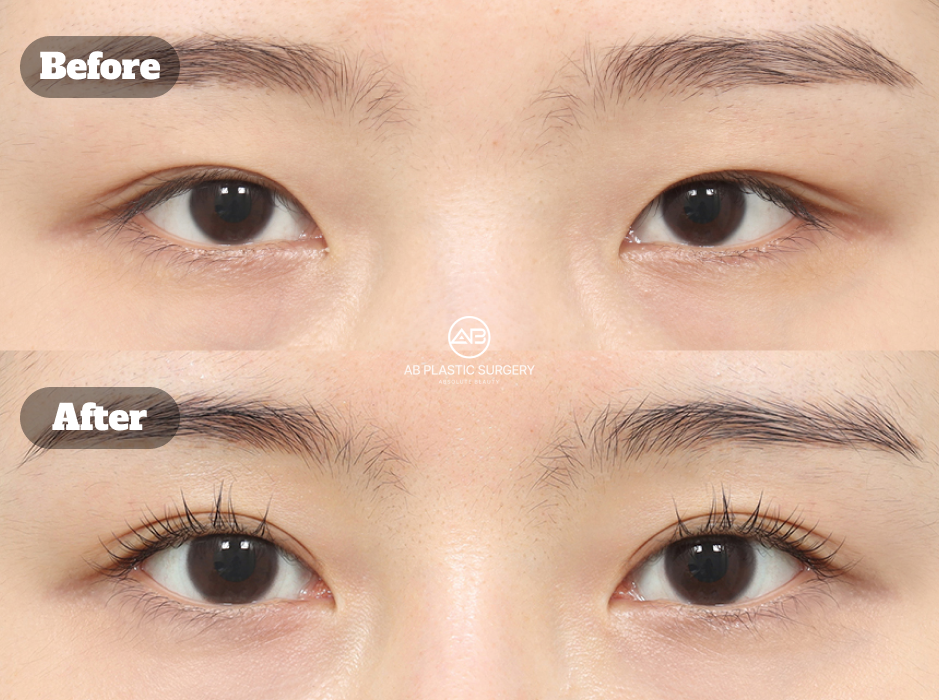
For patients seeking a clearer understanding of how this selective approach translates into real clinical outcomes, reviewing structured case experiences can provide additional perspective. Individual results and recovery patterns may vary, but documented examples help contextualize how eye surgery planning is applied in practice.
→ Patient Stories & Before-and-After Cases
Decision-Making Based on Structure, Not Convention
Eye surgery planning at AB Plastic Surgery Korea begins with a comprehensive evaluation of how the eyes function within the overall facial structure. This includes assessing eye spacing, eyelid behavior, inner corner tension, and how the eye shape transitions across the face.
Only when the epicanthal fold is found to meaningfully disrupt eye balance or shape continuity is epicanthoplasty considered as part of the surgical plan. This approach helps prevent unnecessary procedures and supports outcomes that remain natural over time.
Conservative Planning for International Patients
For international patients, conservative surgical planning is particularly important. Limited recovery windows, follow-up constraints, and the challenges of long-term monitoring all require careful prioritization of procedures.
Rather than combining multiple eye surgeries by default, treatment plans are designed to address the most structurally relevant concern first. This strategy supports clearer outcome evaluation and more predictable recovery for patients traveling from abroad.

Long-Term Outcome Over Immediate Change
The primary goal of epicanthoplasty at AB Plastic Surgery Korea is not immediate visual impact, but long-term harmony. Procedures are assessed based on how well they integrate into the patient’s natural eye shape over time, rather than on short-term transformation.
This emphasis on longevity aligns with the broader philosophy of eye surgery at AB Plastic Surgery Korea: selecting interventions that remain stable, balanced, and visually unremarkable as healing progresses.
By approaching epicanthoplasty as a decision rather than an assumption, AB Plastic Surgery Korea aims to support outcomes that feel intentional, restrained, and structurally appropriate — qualities that are often most appreciated long after surgery is complete.
Because the relevance of epicanthoplasty varies significantly by individual anatomy, surgical scope and planning are determined through case-by-case evaluation rather than standardized pricing. Patients considering eye surgery in Korea are encouraged to begin with a structured consultation to clarify whether epicanthoplasty is appropriate for their situation.
→ Eye Surgery Consultation & Price Inquiry

This article is for informational purposes only and does not replace a personal medical consultation.