Title
Why Eyelid Correction May Not Be Appropriate: The Truth About Severe Congenital PtosisDate
2026-01-05Views
2676
Medical Column
Why Eyelid Correction May Not Be Appropriate: The Truth About Severe Congenital Ptosis
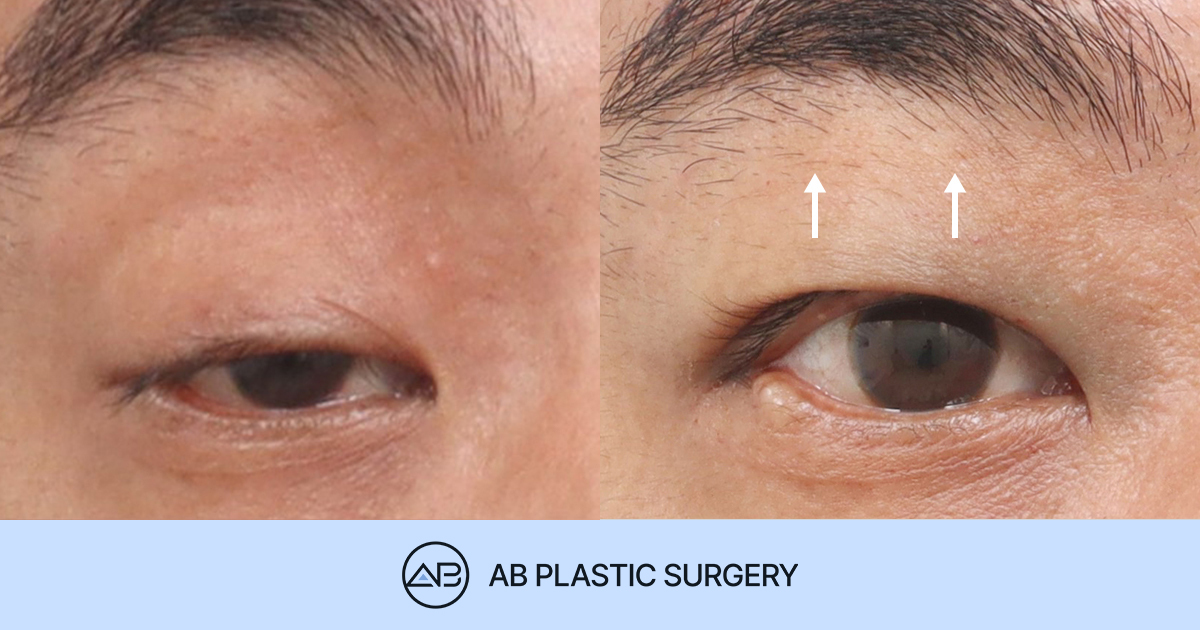
When drooping eyelids make the eyes appear smaller and reduce the visual field, many patients immediately consider eyelid correction surgery.
Eyelid correction (also known as blepharoptosis surgery) strengthens or shortens the muscles that lift the upper eyelid to create a clearer, more open eye appearance.
However, not all eyelid drooping can be effectively treated with standard eyelid correction.
In particular, severe congenital ptosis is a condition where eyelid correction alone may be insufficient.
In this article, Dr. Jeong Yeon-Woo of AB Plastic Surgery explains the causes, symptoms, and surgical solutions for severe congenital ptosis and why eyelid correction may not be appropriate for these patients.
Q. What is Severe Congenital Ptosis That Cannot Be Corrected with Eyelid Surgery?
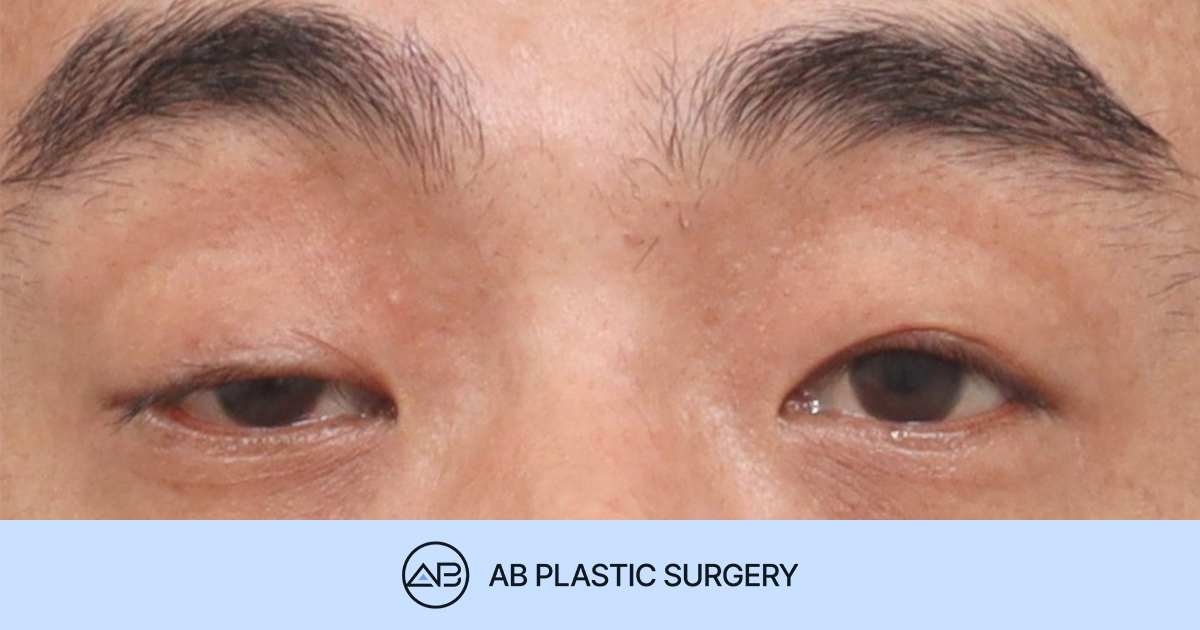
Severe congenital ptosis is a condition in which the upper eyelid droops significantly, covering the pupil and obstructing vision.
It is generally classified as severe when the eyelid margin is more than 4 mm below the normal position, usually due to congenital underdevelopment or weakness of the levator palpebrae superioris muscle—the main muscle responsible for lifting the eyelid.
Patients often cannot fully open their eyes and compensate by overusing the forehead and eyebrow muscles.
This is why standard eyelid correction surgery is not suitable for severe congenital ptosis. Even if the eyes appear open, the forehead muscles are often forcing the eyelids upward, which can result in:
-
Excessively elevated eyebrows
-
Deep forehead wrinkles
-
Sagging and hollowed eyelids
Q. Why Eyelid Correction Surgery Is Not Recommended for Severe Ptosis?
Eyelid correction surgery assumes the levator muscle has some functional strength.
In severe congenital ptosis, where the levator muscle is extremely weak or non-functional, eyelid correction may fail to achieve the desired results and can even cause complications.
Patients with weak levator muscles often also have weak orbicularis oculi muscles, which control eyelid closure.
This can make it difficult to fully close the eyes during sleep, leaving the cornea exposed.
If eyelid correction is performed in such cases, it may worsen eyelid closure and lead to complications such as exposure keratopathy.
Therefore, severe ptosis requires functional eyelid surgery that addresses the underlying muscle weakness rather than standard cosmetic eyelid correction.
Q. How Should Severe Ptosis Be Corrected?
Since the levator muscle is underdeveloped, surgery must rely on alternative muscles to elevate the eyelid.
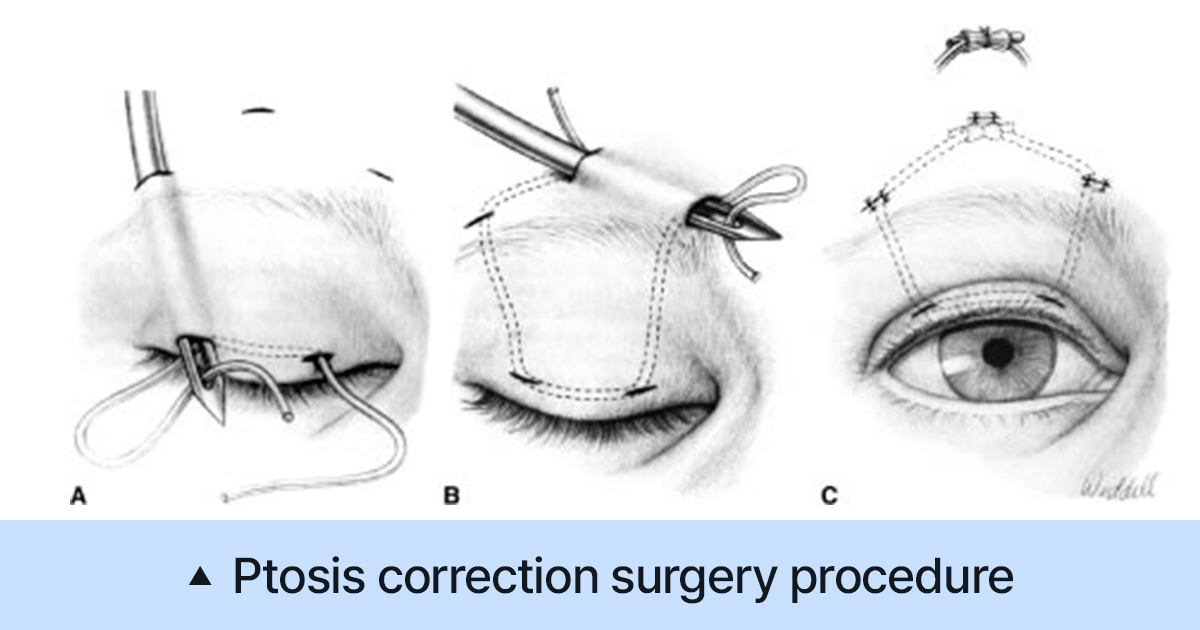
The most effective method is the frontalis sling procedure, which connects the eyelid to the forehead (frontalis) muscle.
Through a small incision, the eyelid is attached to the frontalis muscle, allowing the patient to open their eyes using forehead strength rather than the weak levator.
Benefits include:
-
Natural, open eye appearance
-
Correction of hollowed eyelids and sagging skin
-
Reduction of forehead wrinkles
-
Minimal scarring and rapid recovery
✔️ Real Cases of Severe Ptosis Surgery
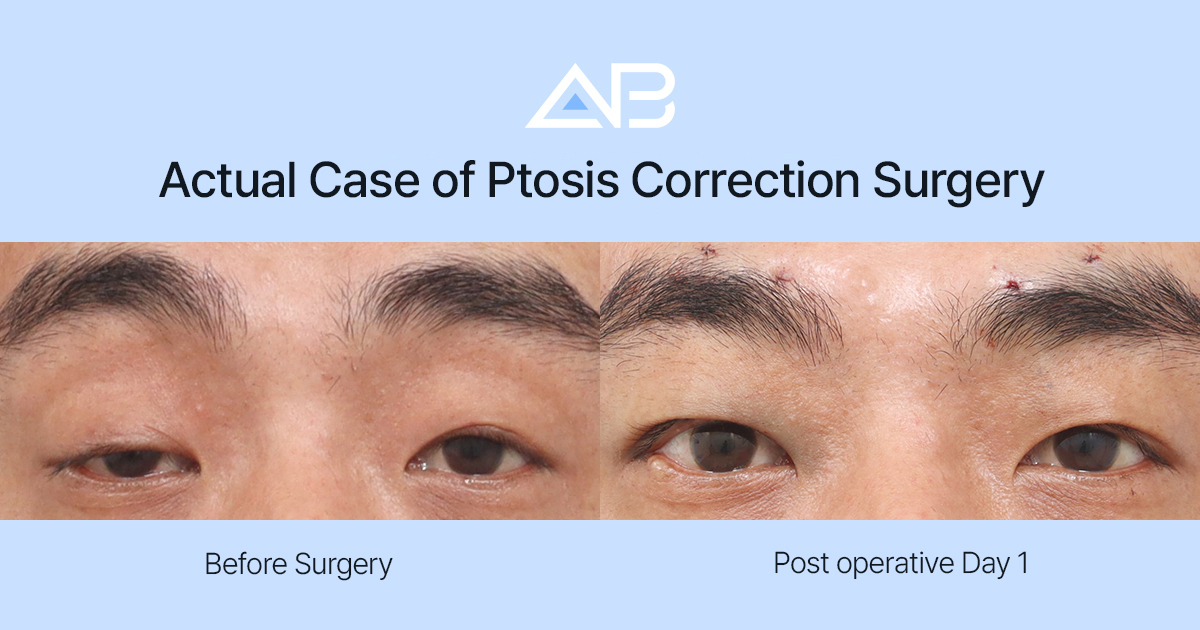
Patients with excessively elevated eyebrows often have widened spacing between the eyebrows and eyelids.
The frontalis sling procedure restores natural eyelid position, improving both function and appearance.
Severe ptosis is not just cosmetic—it directly affects vision and eye health.
Personalized surgical planning with a board-certified plastic surgeon ensures the best functional and aesthetic outcome.
Conclusion & Expert Recommendation
We discussed:
-
What is severe congenital ptosis
-
Why eyelid correction surgery is not suitable in many cases
-
How the frontalis sling procedure effectively addresses severe ptosis
Even in severe ptosis, there may be cases where eyelid correction is needed.
We strongly recommend a consultation with an experienced plastic surgeon to determine the safest, most effective approach.
For detailed consultation, please contact AB Plastic Surgery on WhatsApp at +82 10 4393 1298 for a detailed consultation.
|
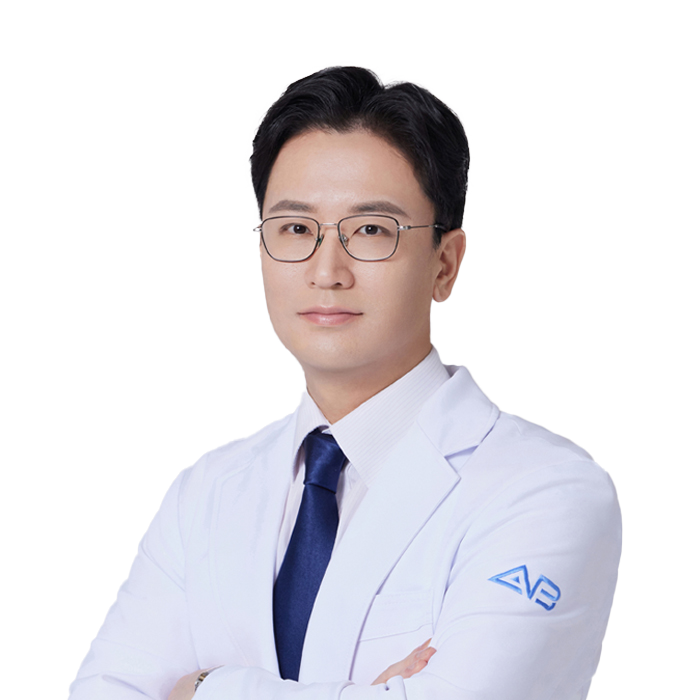
Writer Dr. Jeong Yeon-Woo, AB Plastic Surgery |