Title
Deep Plane Facelift Korea: How It Differs From SMAS and Traditional FaceliftsDate
2026-10-21Views
23
AB Blog
Deep Plane Facelift in Korea: What Makes It Different From a Traditional Facelift?
Table of Contents
1. What Is a Deep Plane Facelift?
2. Deep Plane Facelift vs SMAS Techniques
3. Who May Be a Candidate?
4. Planning a Deep Plane Facelift in Korea
5. Recovery, Scars, and Results
6. What Determines Deep Plane Facelift Cost in Korea?
7. Risks and Safety Considerations
8. Frequently Asked Questions
Short answer: A deep plane facelift reaches the layer beneath the SMAS in selected areas and releases specific retaining ligaments, so that sagging tissue can be repositioned together as one unit. It is not a completely separate category from a SMAS facelift. The main difference is how tissue is released and moved. The right technique depends on your facial anatomy and where the sagging occurs, and a neck lift is not automatically included, so it must be confirmed separately.
Patients researching a deep plane facelift in Korea often want to know whether "deeper" automatically means "better." It does not. This guide explains what the technique is, how it compares with SMAS-based approaches, who may be considered, what recovery and risks look like, and what to check before traveling for surgery.
For a broader overview of the technique and our safety standards, see our core guide: Deep Plane Facelift Korea: Structural Rejuvenation and Safety Standards. This article focuses on how deep plane compares with other facelift techniques.
What Is a Deep Plane Facelift?
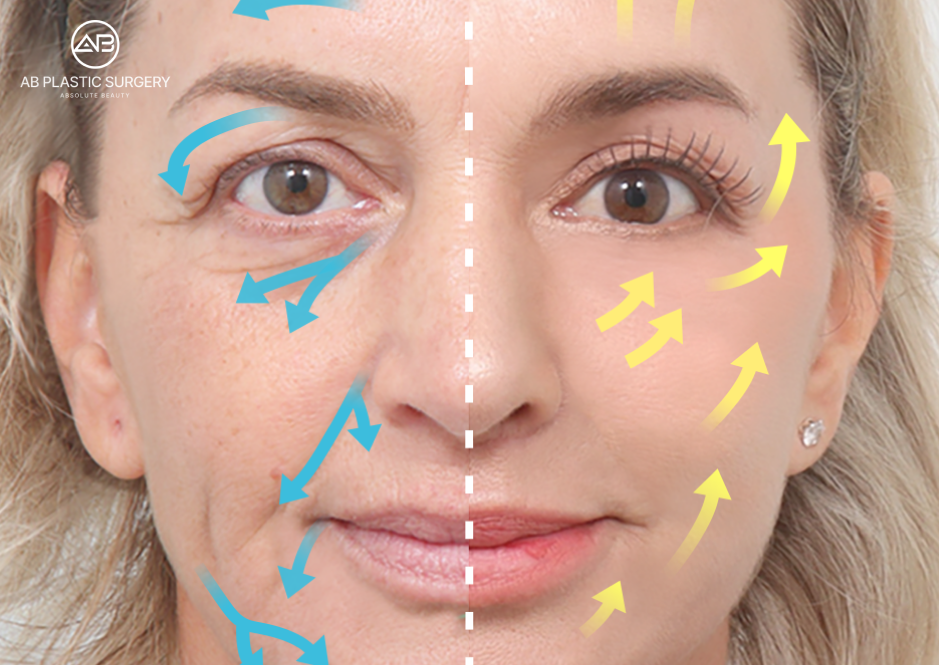
A deep plane facelift is a facelift technique in which the surgeon works beneath the SMAS (superficial musculoaponeurotic system) in selected areas and releases specific retaining ligaments, allowing the deeper tissues and overlying soft tissue to be repositioned together rather than tightening skin alone. The American Society of Plastic Surgeons (ASPS) describes deep plane as one of several ways of addressing the SMAS. Results and suitability vary by patient.
What Does "Deep Plane" Actually Mean?
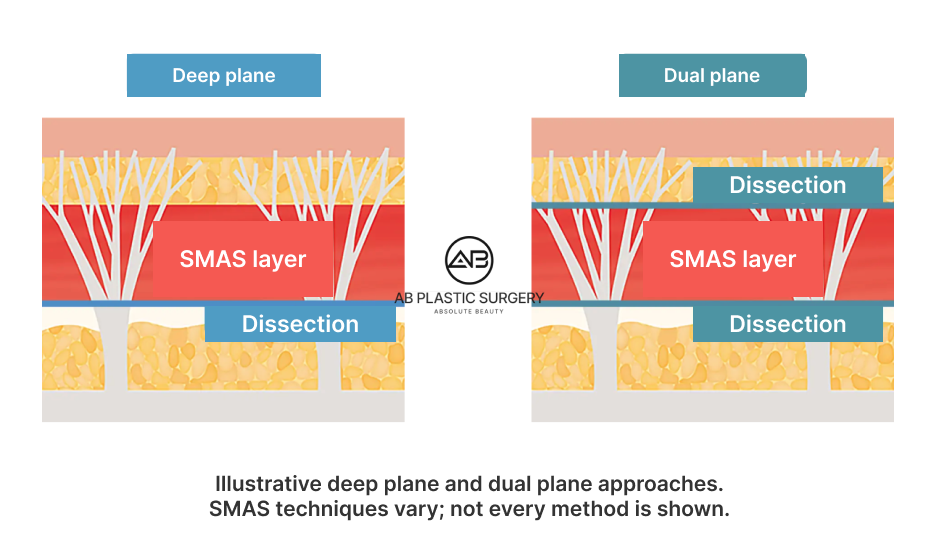
The SMAS is a fibromuscular layer beneath the skin and fat, and many facelift techniques manipulate it in different ways. "Deep plane" refers to the surgical plane used, not simply "a facelift performed deeper." What matters is the location and extent of dissection, which retaining structures are released, and how the tissue is repositioned.
Why Do Retaining Ligaments Matter?
Retaining ligaments anchor facial soft tissue at specific points. As aging progresses, changes in skin elasticity, tissue position, and these supports can contribute to visible sagging. Releasing selected ligaments can give the tissue more mobility when the goal is to address changes beyond superficial skin laxity, such as:
-
Midface: cheek descent that creates a heavier or flatter look
-
Nasolabial area: folds that appear more noticeable as surrounding tissue shifts
-
Jowls and jawline: lower-face descent that interrupts a smooth jaw contour
What Are the Limits of a Deep Plane Facelift?
A facelift repositions descended tissue; it does not remove every fold, stop future aging, or replace volume loss treatments where those are the real cause. It also does not automatically treat the neck. Confirm exactly which areas your plan includes.
Deep Plane Facelift vs SMAS Techniques
Deep plane and SMAS facelifts are related, not opposites. Both work deeper than the skin. The difference lies mainly in how the SMAS and adjacent planes are approached, which ligaments are released, and how far tissue is mobilized. "Traditional facelift" is also a broad label: it can include SMAS plication, imbrication, SMASectomy, and other methods, so two operations with the same name may differ in practice.
|
Comparison |
Deep Plane Facelift |
SMAS Plication / Imbrication |
|---|---|---|
|
Main approach |
Accesses the layer beneath the SMAS and releases selected retaining ligaments |
Folds, tightens, or overlaps the SMAS and fixes it in a new position |
|
Tissue movement |
Released deep tissue and overlying soft tissue are moved together |
Range of movement depends on the specific technique |
|
Midface |
Depends on the extent of release and individual anatomy |
Depends on the technique and extent of surgery |
|
Jowls and jawline |
Can address deeper descent contributing to jowling |
Can also address jowls and jawline laxity |
|
Incisions and scars |
Incisions are still required; placement depends on the plan |
Incisions are still required; placement depends on the plan |
|
Recovery |
Not guaranteed to be faster or slower; depends on extent and healing |
Not guaranteed to be faster or slower; depends on extent and healing |
|
Longevity |
No fixed duration; aging continues after any facelift |
No fixed duration; aging continues after any facelift |
|
Neck |
Not automatically included |
Not automatically included |
|
How the choice is made |
Facial anatomy, location of sagging, skin quality, neck involvement, previous surgery, patient goals, and the surgeon's assessment |
|
Note: Other SMAS techniques exist (for example SMASectomy), so this table does not cover every facelift method. Confirm the detailed plan with your surgeon.
Is a Deep Plane Facelift Better Than a SMAS Facelift?
Not necessarily. Surgical depth alone does not decide suitability or results. A patient with significant midface and lower-face descent may need a different strategy from someone with mainly mild jawline laxity, and a patient with both facial and neck sagging may need a combined plan. A useful consultation answers:
-
Where has tissue actually descended: midface, lower face, jawline, neck, or several areas?
-
How much tissue mobility is needed to reposition it?
-
Should the neck be treated together with the face?
-
Have I had previous facelifts or facial surgery?
-
Which plane addresses my anatomy without unnecessary surgical extent?
Similar procedure names can describe different surgical scopes, so compare the actual operative plan rather than the label "deep plane." To see how lifting is planned for different areas, review AB's facelift procedure page, which distinguishes deep plane and dual plane facelift.
Who May Be a Candidate?
A deep plane facelift may be discussed when aging involves more than superficial skin laxity, such as deeper tissue descent in the midface, jowls, or jawline. Candidacy cannot be decided by age or by procedure name; it requires an in-person evaluation of sagging pattern, skin elasticity, neck condition, previous procedures, and general health.
Which Signs May Point Toward a Deeper Lifting Approach?
-
Midface descent with more noticeable folds around the nose and mouth
-
Jowls and reduced definition between the lower cheek and jawline
-
Lower-face heaviness linked to soft-tissue descent rather than isolated fat
-
Sagging that remains noticeable despite non-surgical lifting treatments
These signs guide assessment but do not by themselves confirm that deep plane is required.
When Does Sagging Extend Into the Neck?
Loose neck skin, changes beneath the chin, or reduced jaw-to-neck definition may occur together with lower-face sagging. In that case the consultation should assess whether a neck lift or a combined face-and-neck plan is appropriate. Not every facelift patient needs neck surgery; the decision should follow the location of tissue descent.
When Might a Deep Plane Facelift Be More Surgery Than You Need?
If sagging is mild or localized, a surgeon may recommend a less extensive procedure or a non-surgical option. Anatomy should determine the technique, not the popularity of a technique. The goal is a surgical plan proportionate to your aging pattern, not the deepest or most extensive operation available.
Planning a Deep Plane Facelift in Korea
For international patients, the key planning question is what will actually be done for your anatomy, by whom, and how follow-up will be handled after you leave Korea. Check the following before booking.
1. What Does the Clinic Mean by "Deep Plane"?
Ask which anatomical areas will be dissected, which tissues or retaining structures will be released, how tissue will be repositioned, where incisions will be placed, and whether the plan covers the midface, lower face, jawline, or neck.
2. Who Is the Surgeon, and How Are the Face and Neck Planned?
Confirm the operating surgeon, board certification, and experience with facial lifting. Also ask whether the neck is included, recommended separately, or unnecessary, because the final scope affects anesthesia planning, operating time, recovery, and how long you may need to stay in Korea.
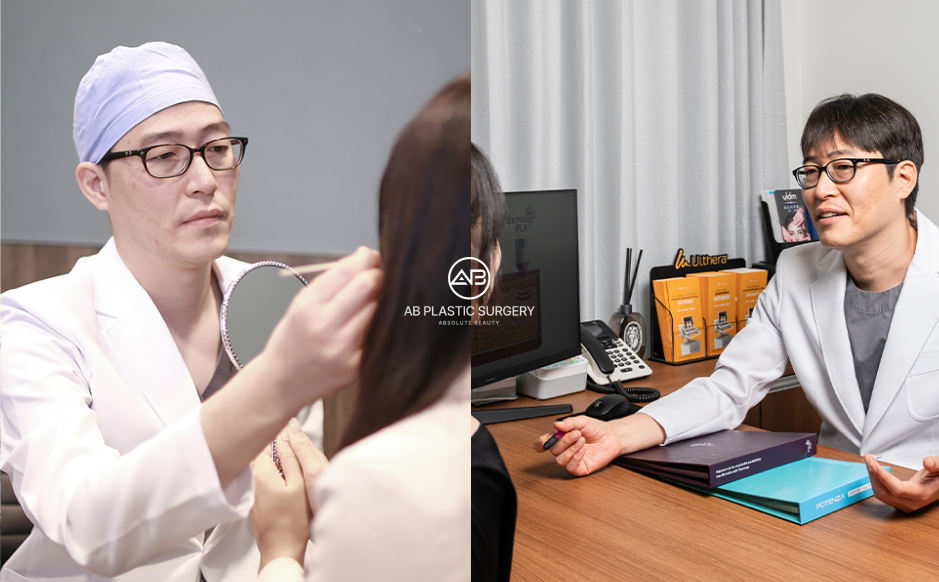
AB Plastic Surgery has documented academic activity in this area: at APS KOREA 2026, AB facelift specialists spoke on neck lift surgery, including chin and neck anatomy and anatomical considerations for Asian patients. This is one indicator of professional engagement, not proof of an individual surgical outcome. You can meet the medical staff at AB Plastic Surgery Korea before your consultation.
3. How Much Time Should You Plan in Korea?
Before booking flights or accommodation, confirm:
-
When the in-person consultation and preoperative tests take place
-
How many days to reserve before surgery
-
When postoperative checks and suture or wound care are scheduled
-
When the medical team considers it appropriate to travel home
-
How follow-up questions are handled after you return home
Timing is an individual medical decision made by your surgical team. AB's International Patient Service outlines the support available for overseas visitors.
4. How Can an Online Consultation Help Before You Travel?
Photos cannot replace an in-person exam, but an online consultation can help you organize questions and clarify whether your concern involves the midface, lower face, jawline, or neck. Send clear front, side, and oblique photos and describe what concerns you most. Rather than asking only "Do I need a deep plane facelift?", ask which findings need to be evaluated and which options may be discussed. You can start a 1:1 online consultation with AB Plastic Surgery Korea.
Recovery, Scars, and Results
Deep plane facelift recovery is gradual and varies by patient. The information below reflects general facelift recovery, not a guaranteed timeline specific to deep plane surgery or to any AB patient. Your own schedule depends on the surgical scope, whether the neck or other procedures are combined, and your healing response.
|
Recovery Stage |
What to Know |
|---|---|
|
Early recovery |
Swelling, bruising, tightness, and temporary changes in sensation are common. Wound care and scheduled checkups are important. |
|
Work and social life |
Around two weeks is often discussed for returning to work after a facelift, but it varies with the type of work, surgical scope, and visible swelling. Ask your surgeon for your own estimate. |
|
Following months |
Residual swelling, sensation, and tissue tightness continue to change gradually. Returning to work is not the same as final recovery. |
|
Travel home from Korea |
Depends on the surgeon's assessment of suture removal, wound status, and follow-up needs. |
What Happens to Facelift Incisions and Scars?
Facelift incisions are generally planned around natural boundaries such as the ear and hairline, but the exact pattern depends on the technique and treatment area. Scars change gradually as they heal, so incision care and follow-up remain important after swelling improves. Ask where your incisions will be and what counts as normal healing.
When Will You See the Final Result?
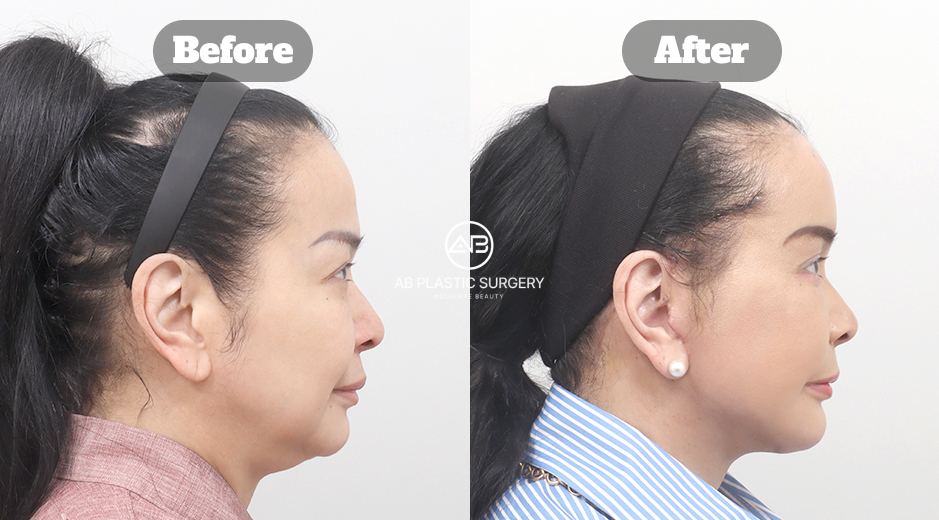
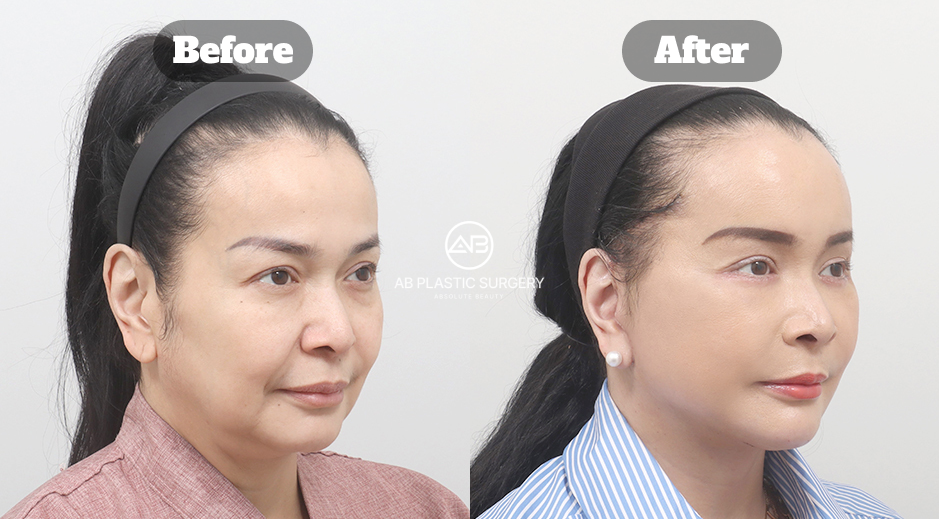
Early swelling can temporarily change facial contours, and deeper tissues need time to settle. The midface, jowls, and jawline become easier to judge as recovery progresses, and the pace differs between patients, especially when a neck lift or another procedure is combined. When viewing deep plane facelift before and after photos, check when each photo was taken and what other procedures were performed at the same time. For patient experiences beyond photos, see My Plastic Surgery Story. Individual stories do not predict another patient's result.
How Long Does a Deep Plane Facelift Last?
There is no fixed duration that applies to every patient. A facelift repositions tissue but does not stop aging, so longevity depends on tissue condition, ongoing aging, surgical scope, and lifestyle.

What Determines Deep Plane Facelift Cost in Korea?
The cost of a deep plane facelift in Korea has no single standard figure because "deep plane" does not describe one fixed surgical scope. The final quotation depends on what is being treated and what the quote includes, so compare scope rather than a headline price.
What Factors Change the Quotation?
-
Face only or face plus neck: a combined plan differs in scope from a face-only plan.
-
Primary or revision surgery: previous lifting procedures affect planning.
-
Extent of aging and dissection: localized lower-face sagging and broader midface-to-jawline descent may need different scopes.
-
Additional procedures: combining another procedure changes both the quotation and the recovery plan.
-
Individual anatomy: skin elasticity, tissue position, and the location of sagging.
What Should a Quotation Include?
Before comparing quotes between clinics, ask whether each includes:
-
Anesthesia, preoperative tests, and medication
-
Postoperative follow-up visits
-
Neck treatment, if planned
-
Any additional procedures, and whether accommodation or stay costs are separate
Two patients asking for a "deep plane facelift" may receive different recommendations and quotations after examination. For current pricing information and scheduling, check plastic surgery costs and build your personalized surgery schedule in Korea. Online price information is a planning reference; your final procedure and quotation are confirmed after medical evaluation.
Risks and Safety Considerations
Every facelift carries surgical risk, and the technique alone does not determine safety. Understand the risks first, then evaluate how a clinic works to reduce and manage them.
What Are the Risks of Facelift Surgery?
Risks described in ASPS facelift guidance include:
-
Bleeding and hematoma
-
Infection
-
Facial nerve injury and changes in muscle movement
-
Changes in skin sensation
-
Wound-healing problems
-
Scarring, asymmetry, or an unsatisfactory result
-
Anesthesia-related risks
Complication rates depend on the procedure, patient group, and surgeon, so ask your surgeon to explain the risks that apply to your case.
How Does AB Plastic Surgery Korea Manage Safety?
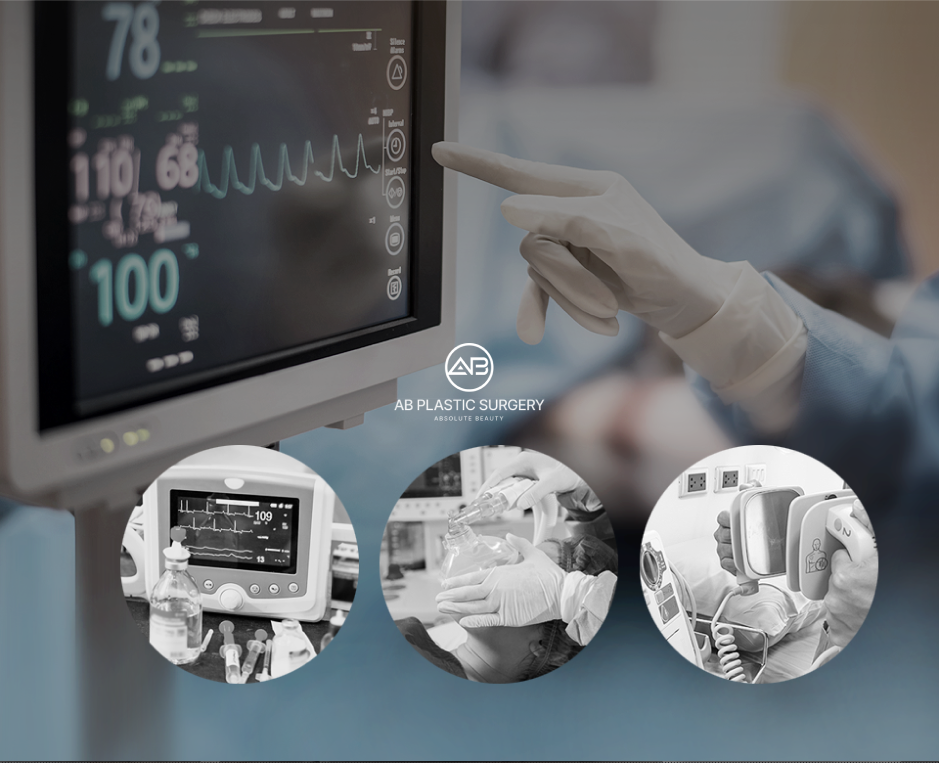
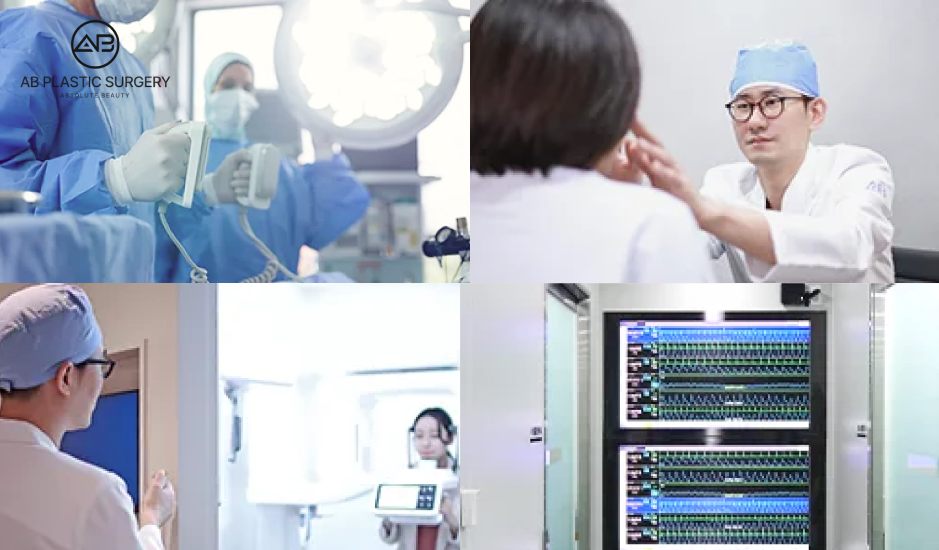
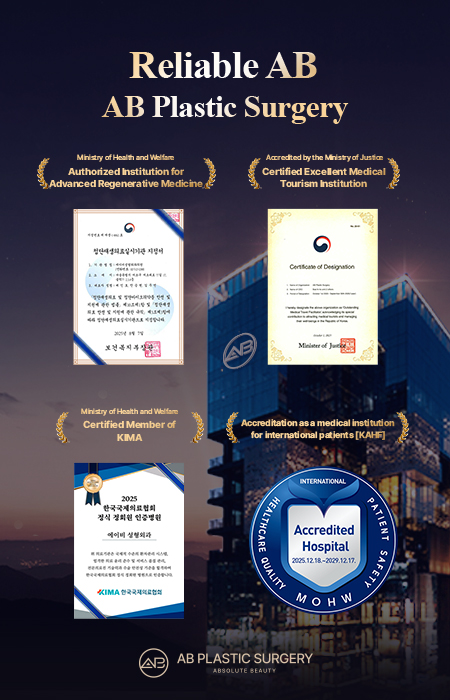
AB Plastic Surgery Korea states that board-certified specialists in Anesthesiology and Pain Medicine participate in anesthesia management from before surgery through postoperative recovery, with a 1:1 anesthesia management approach and real-time monitoring of vital signs such as blood pressure, heart rate, body temperature, and blood oxygen saturation. The hospital also describes preoperative examinations and cross-checking, and CCTV in its operating rooms. CCTV does not determine medical quality, but it is a concrete feature patients can verify. Because the appropriate anesthesia depends on your operation and medical condition, do not choose anesthesia from a search term such as "sleep anesthesia." Explore the AB Plastic Surgery Korea Safety System for details.
Please give accurate information about medications, previous surgeries, allergies, and medical conditions during consultation, not on the day of surgery.
How Should You Interpret a Zero-Accident Record?
According to AB Plastic Surgery's published safety content, the hospital has recorded 0 medical accident cases since opening in September 2020. This is the hospital's own announcement, not an independent audit, and it covers the hospital overall, not deep plane facelift specifically. It is not a guarantee that surgery is risk-free. Read about the safety system and zero medical accident record.
Final Checklist Before Choosing a Facelift Clinic
-
Is the operating surgeon clearly identified, with qualifications you can review?
-
Has the actual surgical plane and treatment scope been explained?
-
Is an anesthesiology specialist involved, with continuous monitoring during surgery?
-
Are preoperative examinations and safety checks performed?
-
Are risks explained clearly, and is postoperative follow-up planned before you go home?
Frequently Asked Questions
Is a deep plane facelift better than a SMAS facelift?
Not necessarily. Deep plane is one way of addressing the SMAS, and neither approach is automatically better for every patient. The right choice depends on midface descent, jowls, jawline changes, skin condition, neck involvement, previous surgery, and individual anatomy.
Who may be a candidate for a deep plane facelift?
People whose aging involves deeper soft-tissue descent in the midface, jowls, or jawline may be considered. Candidacy cannot be decided from age or visible sagging alone; an in-person assessment of tissue descent, skin elasticity, neck condition, previous procedures, and health is required.
Does a deep plane facelift include a neck lift?
No, not automatically. A deep plane facelift and a neck lift address related but distinct areas. If lower-face sagging occurs with neck laxity, the surgeon may evaluate treating them together, so confirm which areas your plan includes.
How long does a deep plane facelift last?
There is no fixed duration that applies to every patient. A facelift repositions tissue but does not stop aging, so how long the result holds depends on tissue condition, ongoing aging, surgical scope, and lifestyle.
How long is recovery after a deep plane facelift?
Recovery is gradual and varies. Around two weeks is often discussed for returning to work after a facelift, but this depends on the surgical scope, type of work, and healing. Residual swelling and tissue settling continue for months, so return to work is not the same as final recovery. International patients should confirm their follow-up and travel schedule with the medical team.
How much does a deep plane facelift cost in Korea?
There is no single fixed price because the surgical scope differs between patients. Cost depends on whether the neck is included, whether it is primary or revision surgery, the extent of dissection, additional procedures, and what the quotation covers, such as anesthesia, tests, medication, and follow-up. The final quotation is confirmed after consultation.
What should international patients check before choosing a facelift clinic in Korea?
Confirm who will perform the surgery, their qualifications and facelift experience, what the clinic means by "deep plane," which areas will be treated, how anesthesia and monitoring are managed, what risks apply to you, and what follow-up is provided before you return home. Comparing the actual surgical plan is more useful than comparing procedure names or advertised prices.
Choosing a deep plane facelift in Korea takes more than choosing between surgical labels. The right approach depends on where your facial tissues have descended, how much correction is needed, whether the neck is involved, and how the surgical team plans anesthesia, monitoring, and follow-up. The aim of consultation is to understand why a particular approach is recommended for your anatomy.

Written by
AB Medical Editorial Team
Medically reviewed by
Updated on
October 21, 2026
This article is for informational purposes only and does not replace a personal medical consultation.