Title
Ultherapy in Korea: How It Works, Results & Who It’s ForDate
2026-11-10Views
19
AB Blog
Ultherapy in Korea: How It Works, Results & Who It’s For
Table of Contents
1. What Is Ultherapy (Ulthera)? How Ultrasound Skin Tightening Works
2. Who Is Ultherapy For? Sagging Skin Stages and Realistic Candidates
3. How Ultherapy Compares With HIFU, Thermage, and Thread Lifting
4. What to Expect: Consultation, Shot Planning, Pain Care, and Recovery
5. Ultherapy FAQ: Results, Pain, Shots, and Safety
6. Getting Ultherapy in Korea as an International Patient
7. Why Choose AB Plastic Surgery for Ultherapy: Genuine Devices, Personalized Shot Design, and Safety Systems
8. Ultherapy or Surgical Lifting? How to Decide Your Next Step
Most people researching Ultherapy ask the same three questions before booking: how many shots do I really need, is the device genuine, and how long will the result last? Ultherapy (also known as Ulthera, and sometimes searched as “ultra therapy”) is a non-surgical treatment that uses focused ultrasound to tighten and lift sagging skin without incisions.
This guide explains how Ultherapy works, who is a realistic candidate, what happens during treatment, and how international patients can plan a safe, well-designed session in Korea. It also covers a point many guides skip: more shots are not always better, and a good treatment plan matters more than maximum intensity. Finally, we explain what to look for in a clinic and what sets Ultherapy at AB Plastic Surgery apart.
Ultherapy at a Glance (based on AB Plastic Surgery’s treatment approach)
|
Type |
Non-surgical micro-focused ultrasound with real-time imaging |
|
Target layer |
Deep tissue, including the SMAS layer |
|
Common areas |
Brow, cheeks, jawline, under the chin, neck |
|
Treatment time |
About 1 to 1.5 hours after consultation and design |
|
Downtime |
No recovery period is typically needed |
|
Results appear |
Gradually, usually 1 to 2 months after treatment |
|
Typical duration |
Roughly 6 months to 1 year; varies by person |
What Is Ultherapy (Ulthera)? How Ultrasound Skin Tightening Works
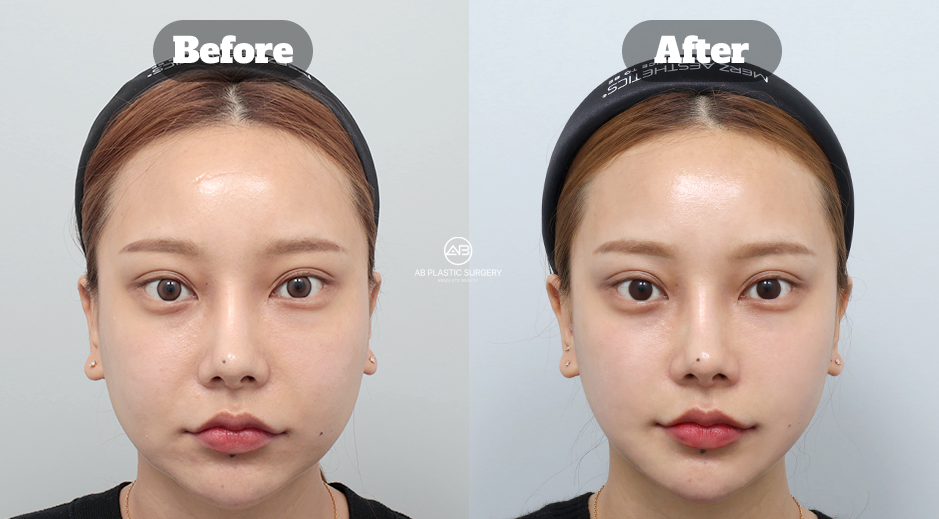
Ultherapy is a micro-focused ultrasound treatment with visualization. It delivers controlled heat energy to deep layers beneath the skin, including the SMAS layer that surgical facelifts also address, to trigger contraction and new collagen production. Ultherapy is FDA-cleared for lifting the brow, tightening skin under the chin, and improving lines on the décolletage.
How Ultherapy Works in Three Steps
First, the practitioner views the tissue with ultrasound imaging, so energy can be directed at the intended depth rather than applied blindly. Second, focused ultrasound creates tiny, precise thermal points in the target layer. Third, the body responds by tightening existing tissue and building new collagen over the following weeks. This is why results develop gradually instead of appearing on the day of treatment.
Ultherapy vs Ultherapy Prime: What Changed
Ultherapy Prime is the newer generation of the system from Merz Aesthetics. At AB Plastic Surgery, the Prime system is described as offering a screen about 35% larger, clearer imaging to a maximum depth of 8mm, and treatment speed up to 20% faster than before. In practice, this means easier target confirmation and a shorter, more comfortable session. The underlying principle, focused ultrasound guided by imaging, stays the same.
Is Ultherapy the Same as HIFU?
Not exactly. Ultherapy is a type of focused ultrasound, but not every HIFU device is Ultherapy. The most important difference is real-time imaging: Ultherapy lets the practitioner see the tissue layer before delivering energy, while many HIFU devices do not offer this. The next sections explain how this affects candidacy and planning.
Who Is Ultherapy For? Sagging Skin Stages and Realistic Candidates
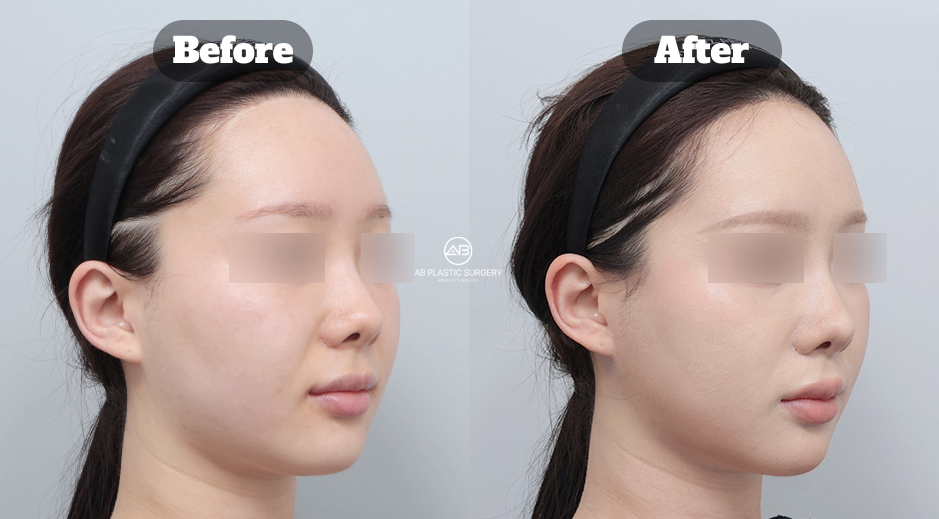
Ultherapy is best suited to people with mild to moderate sagging who want a visible lift without surgery or recovery time. It is most commonly considered from the 30s onward, when early loosening appears around the jawline, cheeks, brow, or neck.
Good Candidates for Ultherapy
-
Early to moderate loosening along the jawline or under the chin
-
Mild brow descent or heaviness around the upper face
-
Skin that has lost firmness but still has some elasticity
-
People who prefer no downtime or are not ready for surgery
-
Those who want to slow the progression of sagging
When Ultherapy May Not Be Enough
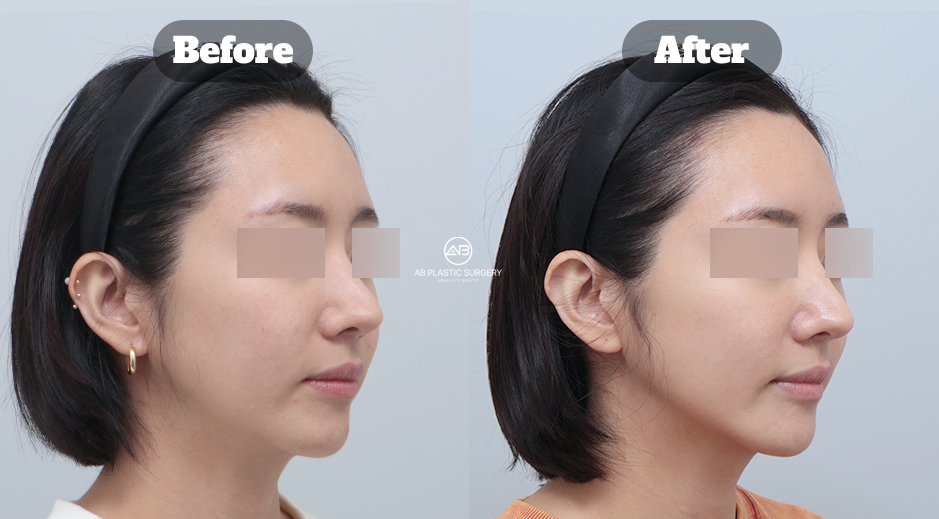
Significant sagging, pronounced jowls, or heavy neck laxity usually need more than skin tightening. In these cases, Ultherapy may produce a modest improvement, but surgical lifting is often the more realistic option. People with thin cheeks or noticeable volume loss also need a carefully planned approach, because over-treatment can worsen a hollow look.
Skin Laxity After Weight Loss
Rapid weight loss, including weight loss with GLP-1 medications, can leave the face and neck looser than before. Mild to moderate laxity of this kind may respond to ultrasound tightening, while more advanced changes may need a different plan. If you are unsure which stage you are at, our guide to skin laxity treatment options explains how treatments differ by severity.
How Ultherapy Compares With HIFU, Thermage, and Thread Lifting
Skin tightening options differ in how they deliver energy, how deep they reach, and what they are best at. The table below gives a general overview. The right choice depends on your anatomy, your degree of sagging, and your goals, so it should be confirmed in consultation.
|
Treatment |
How it works |
Imaging guidance |
Often considered for |
|---|---|---|---|
|
Ultherapy |
Micro-focused ultrasound into deep tissue |
Yes, real-time |
Jawline, brow, under-chin lifting |
|
HIFU (other devices) |
Focused ultrasound; depth and technique vary by device |
Varies; often no |
Mild tightening, maintenance |
|
Thermage |
Radiofrequency heating of the skin |
No |
Skin firmness and texture |
|
Thread lifting |
Sutures placed to mechanically lift tissue |
No |
Immediate, targeted lift |
Choosing Between Them
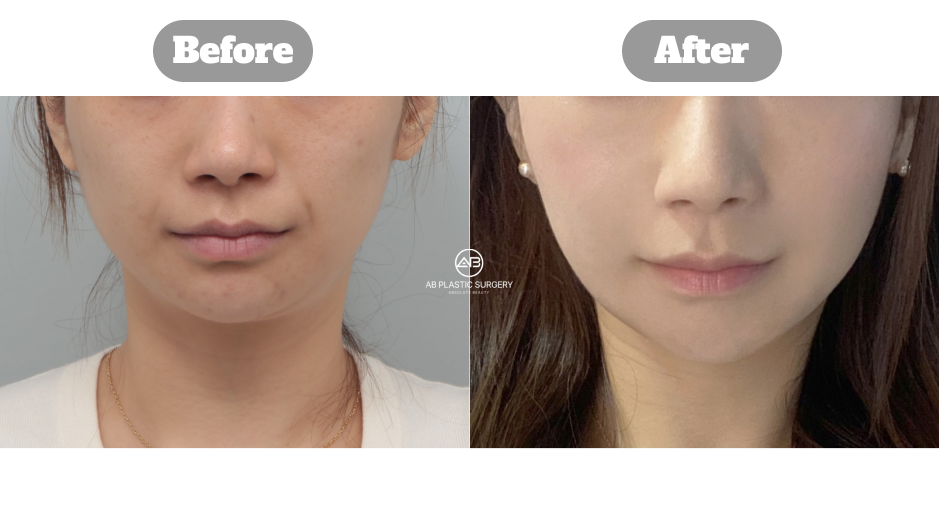
Ultherapy tends to suit patients whose main concern is structural sagging in the lower face and brow. Radiofrequency treatments such as Thermage focus more on skin quality and firmness, and many patients combine different approaches over time. If you are comparing both, reading about how radiofrequency tightening works can help you decide what to ask at your consultation.
What to Expect: Consultation, Shot Planning, Pain Care, and Recovery
A well-run Ultherapy session follows a plan rather than a standard protocol. At AB Plastic Surgery, treatment is built on a three-part process called 2SPT: look twice (with the naked eye and with ultrasound), plan, then treat. The whole visit typically takes about 1 to 1.5 hours.
Step-by-Step Treatment Timeline
-
Consultation: Your face shape, skin thickness, and degree of sagging are assessed.
-
Ultrasound mapping: Deep layers are viewed to confirm where energy should go.
-
Shot and tip planning: Tip types and shot counts are distributed by area.
-
Pain care: A comfort method is chosen based on your sensitivity.
-
Treatment: Energy is delivered to the planned layers with imaging guidance.
-
Aftercare guidance: You receive instructions and can usually resume daily activities.
How Many Shots Do You Really Need?
There is no universal number. Shot counts depend on the treatment area, skin thickness, and how advanced the sagging is. Different tip depths serve different purposes: a 1.5mm tip is generally used for fine lines around the eyes and lips, a 3.0mm tip for cheeks and under the chin, and a 4.5mm tip for deeper lifting along the jawline. Matching the tip to the layer matters more than the total number of shots.
A Word on Over-Treatment and Cheek Hollowing
The cheek area is naturally prone to fat loss, so applying too much energy there can lead to a hollowed look. This is why choosing “maximum intensity” is not a good strategy. A personalized plan that adjusts shot numbers and intensity to your skin condition and degree of aging helps reduce this concern, although no treatment can remove all risk.
Pain Management Options
Ultherapy can feel intense for some people, so pain care is part of good planning. Options include topical numbing cream, ice-based cooling, AirNox (self-administered nitrous oxide for relaxation without loss of consciousness), and sleep anesthesia. At AB Plastic Surgery, an in-house anesthesiologist supports pain care, and the exact approach varies depending on the procedure and the patient.
Common Side Effects and Recovery
Temporary redness, mild swelling, tenderness, or a sensation of tingling can occur after treatment. These effects are usually short-lived. Less common effects, such as temporary numbness or bruising, are possible, and any concerns should be discussed with your medical team promptly. Ultherapy is not risk-free, which is why consultation and careful planning come first.
Ultherapy FAQ: Results, Pain, Shots, and Safety
Is Ultherapy the same as Ulthera or “ultra therapy”?
Yes, in everyday use these names usually refer to the same treatment. Ultherapy is the official name, Ulthera is the common shortened form used widely in Korea, and “ultra therapy” is a frequent search variation. All of them point to micro-focused ultrasound with visualization.
How long do Ultherapy results last?
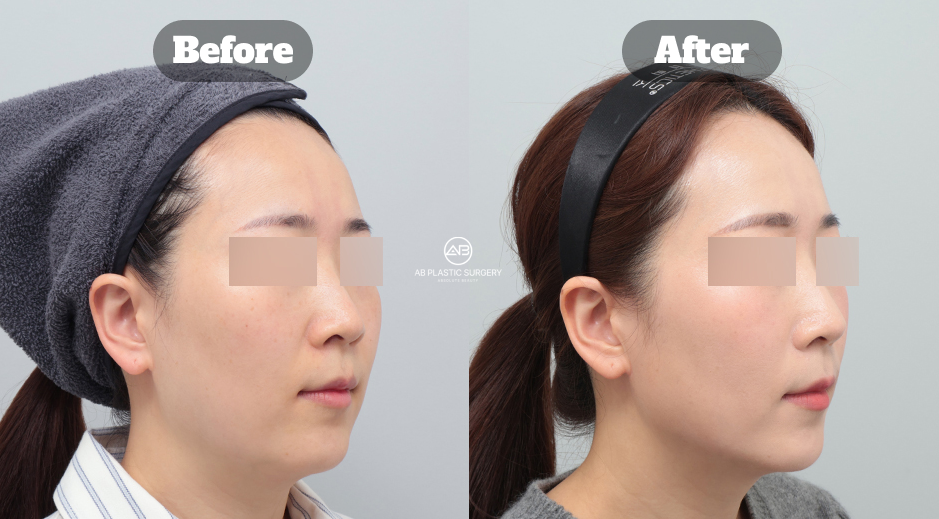
Results typically last from about 6 months to 1 year, although published figures vary by source and by person. Age, skin quality, lifestyle, and how the treatment was planned all influence duration. Some patients choose maintenance sessions to sustain their results.
When will I see results?
Changes build gradually as collagen is remodeled. Most people notice improvement about 1 to 2 months after treatment. If you are planning around a trip or event, schedule your session at least a month ahead.
Does Ultherapy hurt?
Discomfort varies. Energy and shot counts can be adjusted, and a pain care system helps reduce discomfort. Options range from topical cream and cooling to AirNox and sleep anesthesia, depending on your sensitivity and the treatment plan.
How many Ultherapy shots do I need?
The right number depends on your treatment areas, skin thickness, and degree of sagging, so it is decided after an in-person assessment. A higher number is not automatically better, and distributing shots by area is more important than reaching a specific total.
Can Ultherapy cause cheek hollowing?
It can if energy is applied excessively in areas prone to fat loss, such as the cheeks. A one-on-one consultation and a customized plan for shot count and intensity help reduce this risk, but it cannot be eliminated entirely.
How does AB Plastic Surgery approach safety for Ultherapy?
AB Plastic Surgery combines individualized treatment planning, imaging-guided delivery, genuine device and tip verification, and structured anesthesia and monitoring systems with a dedicated professional team. Exact protocols vary by procedure and patient condition.
Why choose AB Plastic Surgery for Ultherapy in Korea?
Patients choose AB Plastic Surgery for its combination of genuine Ultherapy Prime devices from a Merz-certified hospital, personalized shot design through the 2SPT process, a structured pain care system, private treatment rooms, and honest guidance across non-surgical and surgical options. KAHF accreditation and KIMA Full Member listing support its systems for international patients, and individual results still vary.
Getting Ultherapy in Korea as an International Patient
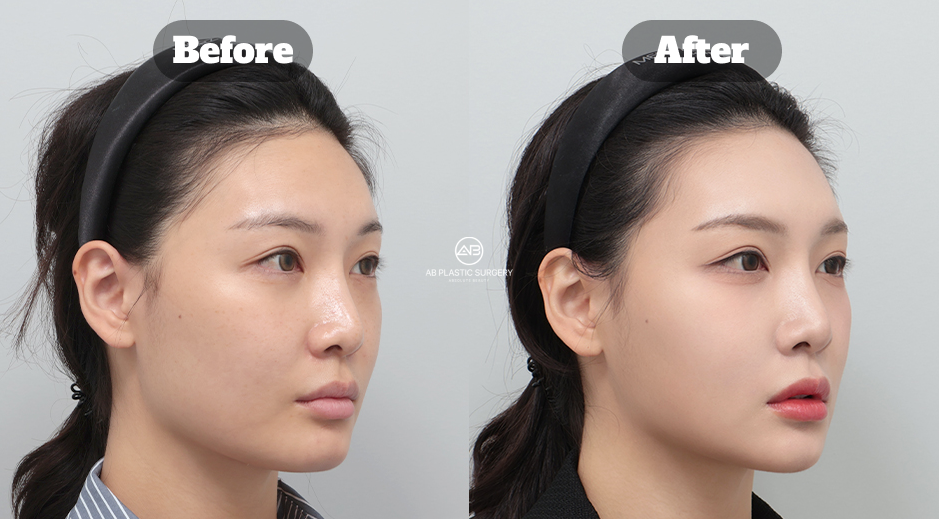
Ultherapy is widely available in Korea, and the treatment fits well into a medical trip: it is an outpatient procedure with no typical recovery period, so you can usually return to normal activities right away. The main planning question is timing, because results develop over one to two months.
Planning Your Timeline
Start with an online consultation before you travel so your goals and concerns are reviewed in advance. Treatment itself takes part of one day. If you are combining Ultherapy with other procedures, tell your medical team early so sessions can be sequenced sensibly around your stay.
What Affects the Cost of Ultherapy
Cost depends on the treatment areas, the shot plan, the device generation, the use of genuine tips, and the pain care method you choose. Because each plan is individually designed, the most accurate way to understand your options is a personal estimate. You can request one through our price inquiry page before you travel.
Trust Signals for Global Patients
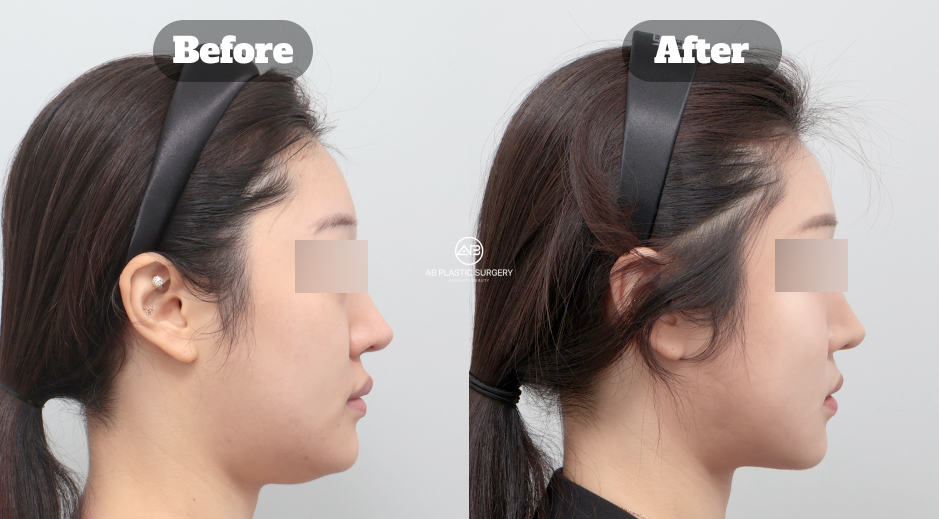
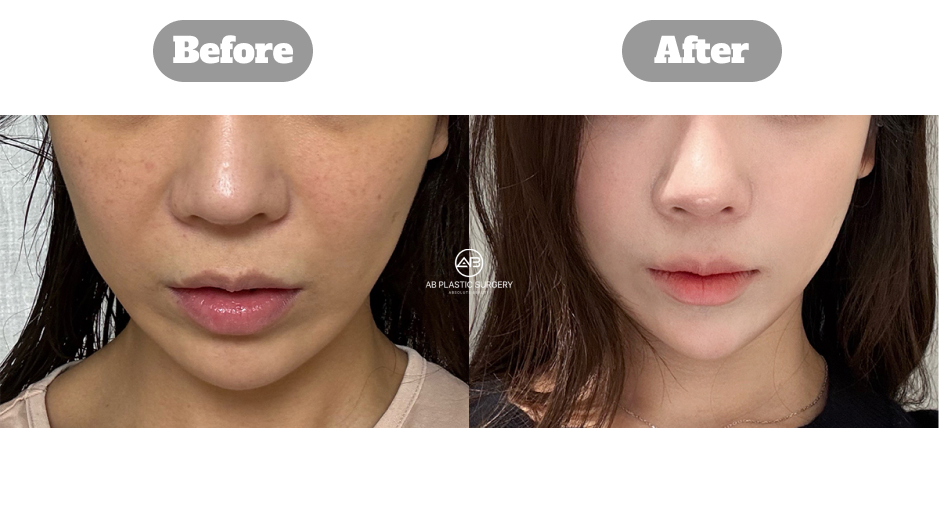
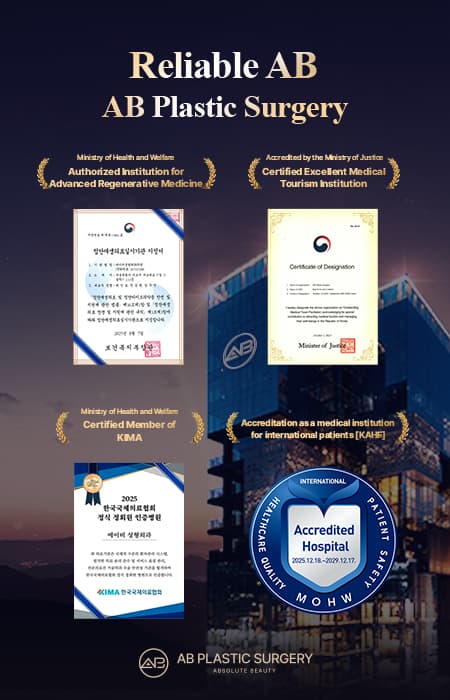
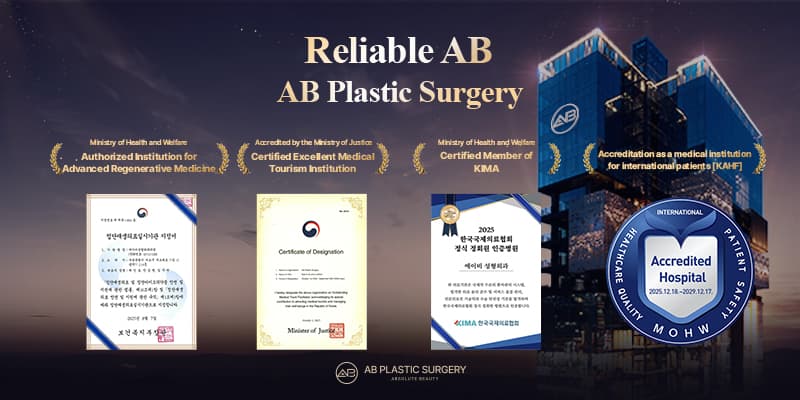
For international patients, hospital systems matter as much as the device. AB Plastic Surgery has received KAHF accreditation for systems serving international patients, including patient safety management, infection control, and emergency response protocols. It is also listed as a Full Member of KIMA, reflecting review of international patient service systems, medical quality management, and surgical safety systems. These credentials reflect hospital systems and do not promise any specific treatment outcome.
Why Choose AB Plastic Surgery for Ultherapy: Genuine Devices, Personalized Shot Design, and Safety Systems
Many clinics in Korea offer Ultherapy, but outcomes depend on three things that are easy to overlook: whether the device and tips are genuine, whether the shot plan is designed for your face, and whether the hospital behind the procedure has real safety systems. Here is how AB Plastic Surgery approaches each one.
Genuine Ultherapy Prime From a Merz-Certified Hospital
Counterfeit or refurbished tips are a known concern in the market, which is why Merz Aesthetics has expanded authentication tools, including NFC-based verification for Ultherapy Prime in Korea in 2026. AB Plastic Surgery operates as a Merz-certified Ultherapy hospital and uses genuine Ultherapy Prime devices. After treatment, patients receive genuine device and tip certification along with a procedure record, so the treatment can be cross-checked rather than taken on trust.
Personalized Shot Design Through the 2SPT Process
AB Plastic Surgery does not apply a standard shot count to every face. Treatment follows 2SPT: look twice, with the naked eye and with ultrasound, plan the distribution, then treat. Tip depths of 1.5mm, 3.0mm, and 4.5mm are matched to the layer and area being treated, and intensity is adjusted in areas prone to fat loss, such as the cheeks. For patients, this means a plan built around natural balance and the risk of over-treatment, not around selling the highest possible number of shots.
A Pain Care System Built Around Comfort
Ultherapy can be uncomfortable, so comfort is planned in advance. AB Plastic Surgery offers topical numbing cream, ice-based cooling, AirNox, and sleep anesthesia, with an in-house anesthesiologist supporting pain care. The exact approach varies by procedure and patient, and it is discussed at your consultation so you are not surprised on the day.
Honest Guidance Across Non-Surgical and Surgical Options
Because AB Plastic Surgery is a plastic surgery hospital, your recommendation is not limited to a single device. If Ultherapy fits your degree of sagging, you will be told so. If your concerns are better served by another approach, including surgical lifting, that option can be explained as well. This breadth matters most for patients who are unsure whether skin tightening will be enough.
Private Treatment Rooms and Focused Attention
Treatment is delivered in a private, single-patient room, so planning, imaging, and communication stay focused on one person at a time. Combined with the 1 to 1.5 hour session, this allows time to review the ultrasound view, confirm the plan, and adjust comfort during treatment.
Hospital-Level Safety Systems and a Dedicated Team
AB Plastic Surgery operates anesthesia monitoring and safety-management systems and uses real-time monitoring during procedures. Postoperative observation and follow-up care processes are also part of its recovery approach. According to AB Plastic Surgery’s published safety content, the clinic presents a no-accident record since opening in September 2020, a hospital-wide statement rather than a promise about any future result. Your treatment is planned and supervised by our medical team, a group of specialists dedicated to individualized planning and patient safety.
A Six-Point Checklist for Any Clinic, Including Ours
Whichever clinic you consider, these questions help you compare fairly:
-
Can the clinic show that the system and tips are genuine?
-
Are shot counts and tip types explained and documented?
-
Is real-time ultrasound imaging actually used during treatment?
-
Is your shot plan designed for your face, not copied from a protocol?
-
Are pain care and anesthesia safety clearly explained?
-
Are follow-up and aftercare part of the process?
Ultherapy or Surgical Lifting? How to Decide Your Next Step
Ultherapy is a strong option for early to moderate sagging, but it does not replace surgery when tissue laxity is advanced. An honest consultation should tell you which category you fall into.
A Simple Decision Guide
If your sagging is mild and you want no downtime, Ultherapy is often the first option to consider. If you notice deeper jowls, heavy neck laxity, or sagging that returns quickly, surgical lifting may fit better. Some patients use Ultherapy as a bridge before surgery or as maintenance afterward.
Why Surgical Experience Still Matters
Recommending the right treatment requires understanding both non-surgical and surgical options. AB Plastic Surgery medical staff shared neck lift approaches for East Asian patients at APS Korea 2026 and presented on face lift and lower blepharoplasty considerations at PRS Korea 2025. These academic activities reflect ongoing focus on procedure-specific planning, but they are not a guarantee of any result. If your concerns go beyond skin tightening, you can read what to know about facelift in Korea before your consultation.
Whichever path you choose, the best next step is an individual assessment. Ultherapy works best when it is matched to the right candidate, designed shot by shot, and delivered with genuine equipment and careful safety systems. That is the standard AB Plastic Surgery aims to meet: a plan built around your face, a device you can verify, and a medical team that will tell you honestly whether Ultherapy is the right choice for you.

This article is for informational purposes only and does not replace a personal medical consultation.